What to do? Our tip!
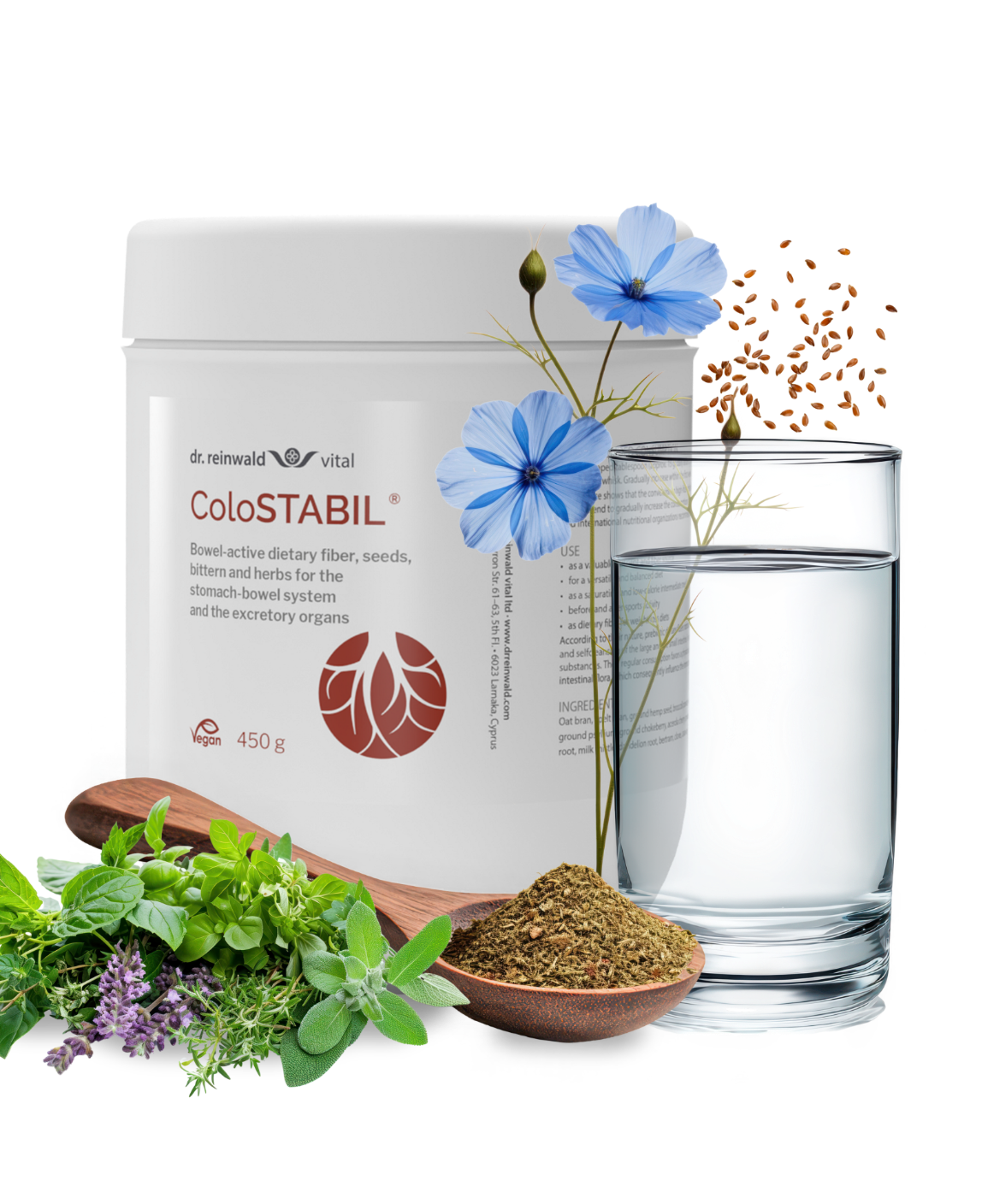
In principle, of course, we recommend a balanced and fiber-rich diet with at least 30 g of fiber daily. Plenty of fresh organic vegetables, organic fruit and purified, high-quality water are the cornerstones. Since this is not achievable for most of us – especially in view of food quality – you can also enhance your fiber supply with our high-quality herb and seed blend ColoSTABIL®. Stir one heaped tablespoon into water or juice every day, or add it to milk, yogurt and muesli, and you will not only feel well satiated, but also have a valuable source of fiber.
Are micronutrients essential?
Since micronutrients cannot be produced by the body, or only in insufficient amounts, we have to meet our needs through our daily diet. For this reason, some (micro-)nutrients, as well as macronutrients, are considered essential or necessary to obtain through intake. But what actually happens if you consume too few of these helpful substances and therefore suffer from a micronutrient deficiency?
Even mild deficiencies can lead to numerous negative health consequences—which, incidentally, is very common in our part of the world. Fatigue, paleness, difficulty concentrating, lack of drive, frequent colds, hair loss, and a weak immune system can be indications of an existing undersupply. Unfortunately, however, these signs are in a certain sense non-specific, meaning that a connection with a nutrient deficiency is often not recognized. Not least because the signals can vary greatly depending on which micronutrient is lacking.
However, if these signals are consistently ignored and an undersupply persists over a long period of time, serious illnesses such as diabetes, heart problems, or cancer can unfortunately also result. Getting to the bottom of symptoms is therefore not only sensible, but essential. Especially if you suffer from high stress levels, are of advanced age, or are, for example, pregnant, you should make sure that you are adequately supplied—because in this case your body requires an increased nutrient intake.
How do you protect yourself against a nutrient deficiency?
First of all, it is important to know how a deficiency can arise in the first place. Because even with a supposedly healthy and balanced diet, an undersupply can easily occur! It should be clear to everyone that frozen pizza, pasta with ready-made tomato sauce, sweet pastries from the bakery, and any kind of junk and fast food do not provide nutrients. But what if you actually do not live off delivery food, but cook for yourself to the best of your knowledge and conscience? Unfortunately, even in this case there are a few points you should definitely keep in mind.
First, you should make sure that you rely on fresh, natural, and unprocessed foods. The rule of thumb is: the less processed, the more micronutrients are still present—for example, a ready-made creamed spinach logically contains significantly fewer nutrients than fresh, crisp organic spinach from the market. However, it is not only food quality that is important, but also proper storage and preparation. Transport, light, oxygen, moisture, and heat have an extreme impact on the vitamin content of fruit and vegetables. Excessive heating during cooking also unfortunately destroys valuable vitamins, so you should opt for brief and not overly intense heating.
There can be worlds between eating and nourishing yourself.
Proverb

Nutrients – It’s all in the mix!
To prevent a nutrient deficiency, a balanced, healthy diet with plenty of fresh, untreated, and organic foods is an absolute must. However, since we unfortunately live in times when environmental pollution is far advanced, fields are depleted by modern agriculture, and foods therefore often contain few nutrients, we additionally advise you to specifically support your body with vitamins, minerals, and trace elements. Iron, zinc, selenium, manganese, potassium, magnesium, sodium, vitamins A, B, C, D, E, and K are just a few. Yes, we know that is a lot and the amount can feel overwhelming! But don’t worry: we can help you here—if you like—with a universal basic supply.
Micronutrients under the microscope
Vitamins
Of course, everyone knows that vitamins are found in fruit and vegetables. We show you which foods contain these valuable little helpers. Because an adequate vitamin intake is important for protecting your cells. You should keep in mind that vitamins can be fat-soluble or water-soluble. Unlike water-soluble vitamins, fat-soluble vitamins can penetrate the so-called lipid layers containing fat (i.e. the fatty cell layers of our organs) and protect the cells there from oxidative stress or free radicals. A vitamin deficiency can therefore also become noticeable in organs such as the heart, brain, or digestive tract.
The group of vitamins:
- Vitamin A
- B vitamins
- Vitamin B1 (thiamine)
- Vitamin B2 (riboflavin)
- Vitamin B3 (niacin)
- Vitamin B5 (pantothenic acid)
- Vitamin B6
- Biotin (vitamin B7)
- Folic acid (vitamin B9)
- Vitamin B12 (note: only found in animal-based foods!)
- Vitamin C
- Vitamin D
- Vitamin E
- Vitamin K
Vitamin-rich foods
The great thing about vitamins is that you can find them in many foods. First and foremost, of course, in fruit and vegetables! But be careful: fruit and starchy vegetables unfortunately often also contain a lot of carbohydrates, which in turn means increased sugar intake. As a vegan, you should also think about vitamin B12, because you can only obtain this important micronutrient from animal-based foods. However, vitamin B12 can also be replaced very well, for example with our product SulfoCLEAN. There you will find the important vitamin B12 in combination with vitamin B6 and folate.
Our vitamin selection:
- Fermented foods such as kimchi or MyREGULATE
- All types of cabbage
- Black salsify and asparagus
- Pumpkin
- Leaf lettuces
- Green vegetables such as zucchini, beans, spinach, cucumbers
- Colorful vegetables
- Mushrooms
- Tomatoes
- Berries
- Selected fruits such as melons, grapefruit, guava, cherries
- Nuts, seeds, kernels
Product tips for vitamins
If you want to specifically enhance your vitamin balance, we can warmly recommend the following vital products:
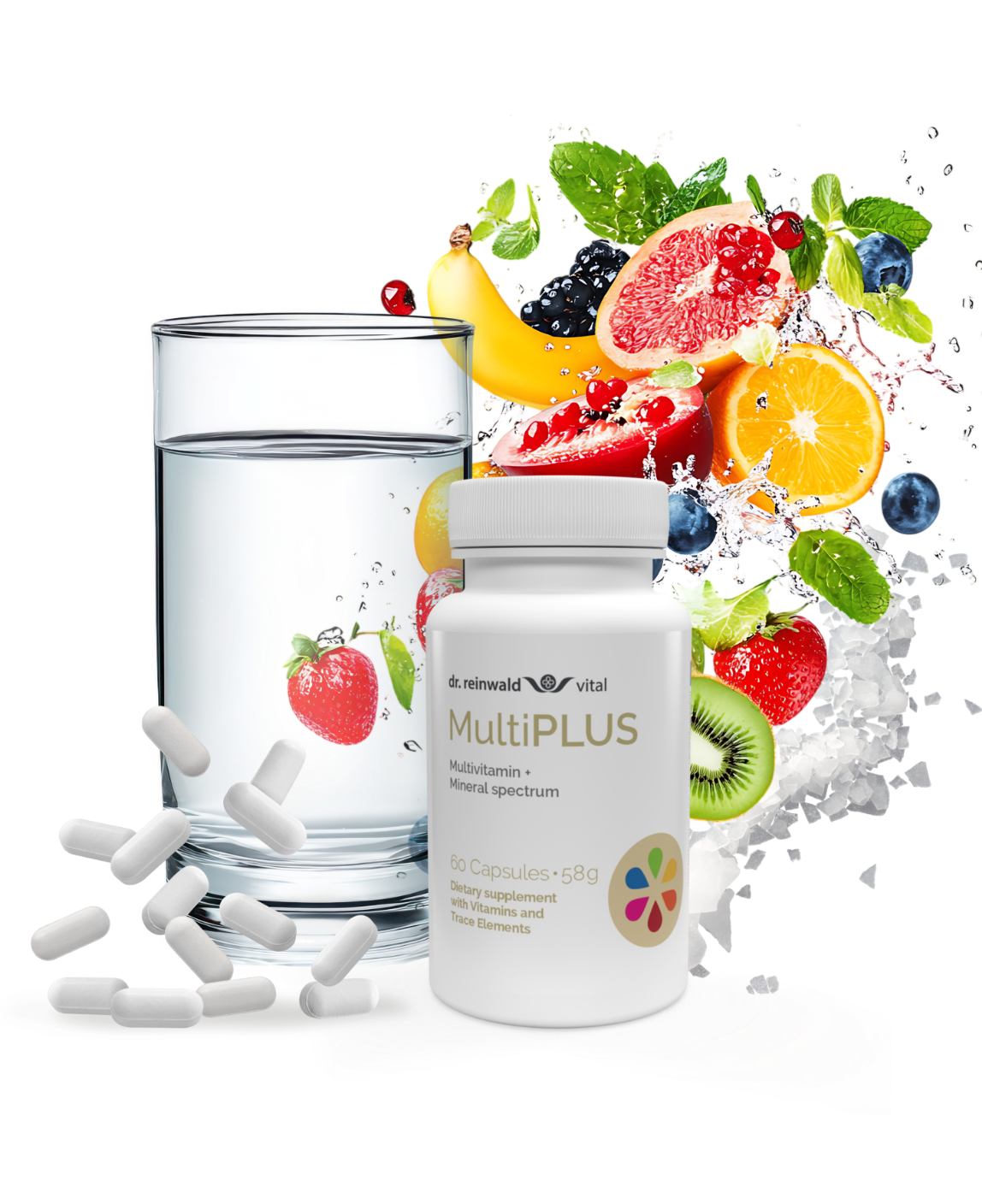
MultiPLUS (vegan)
The large multivitamin and trace element complex provides a daily basic supply for universal and daily nutritional enhancement.
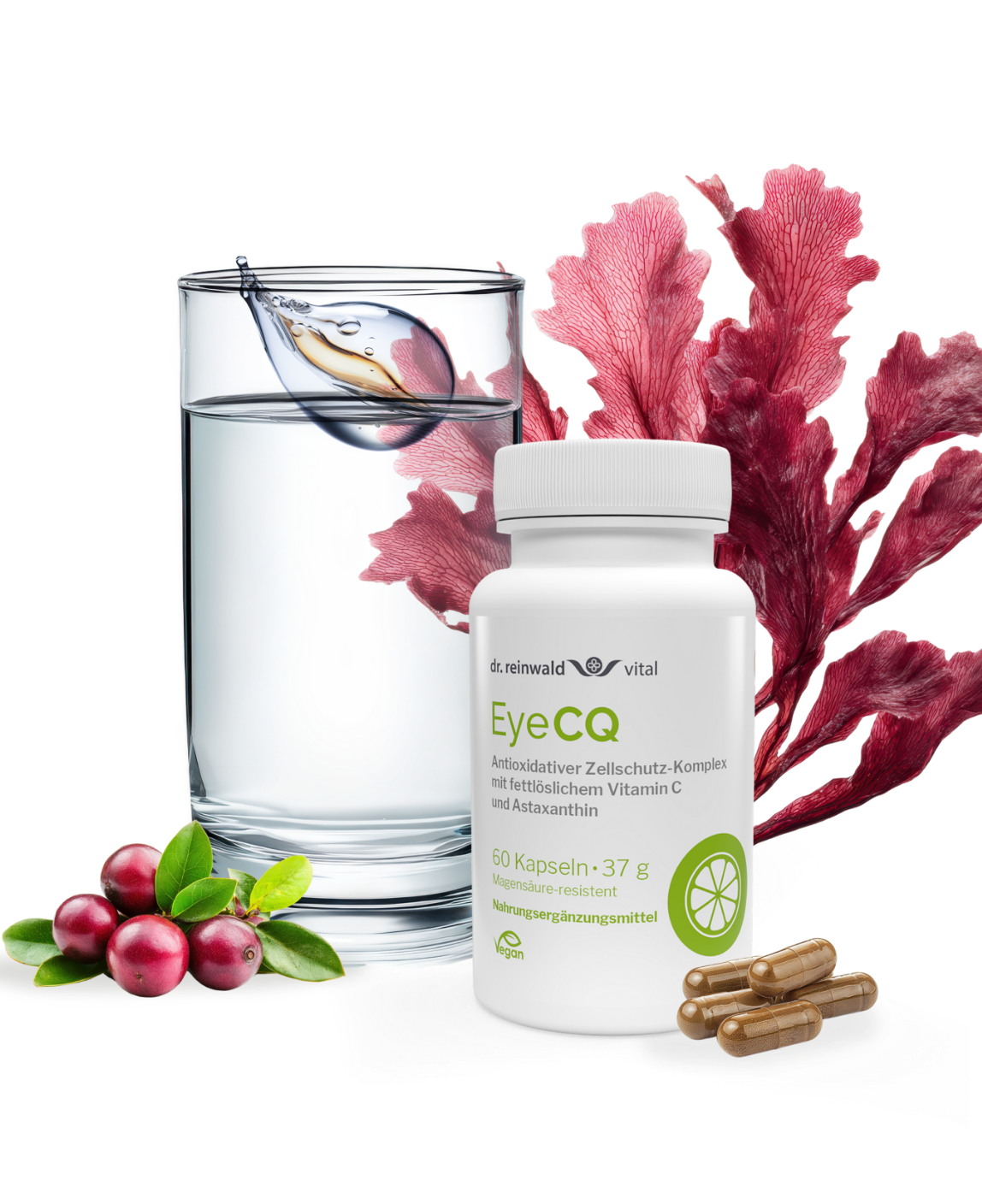
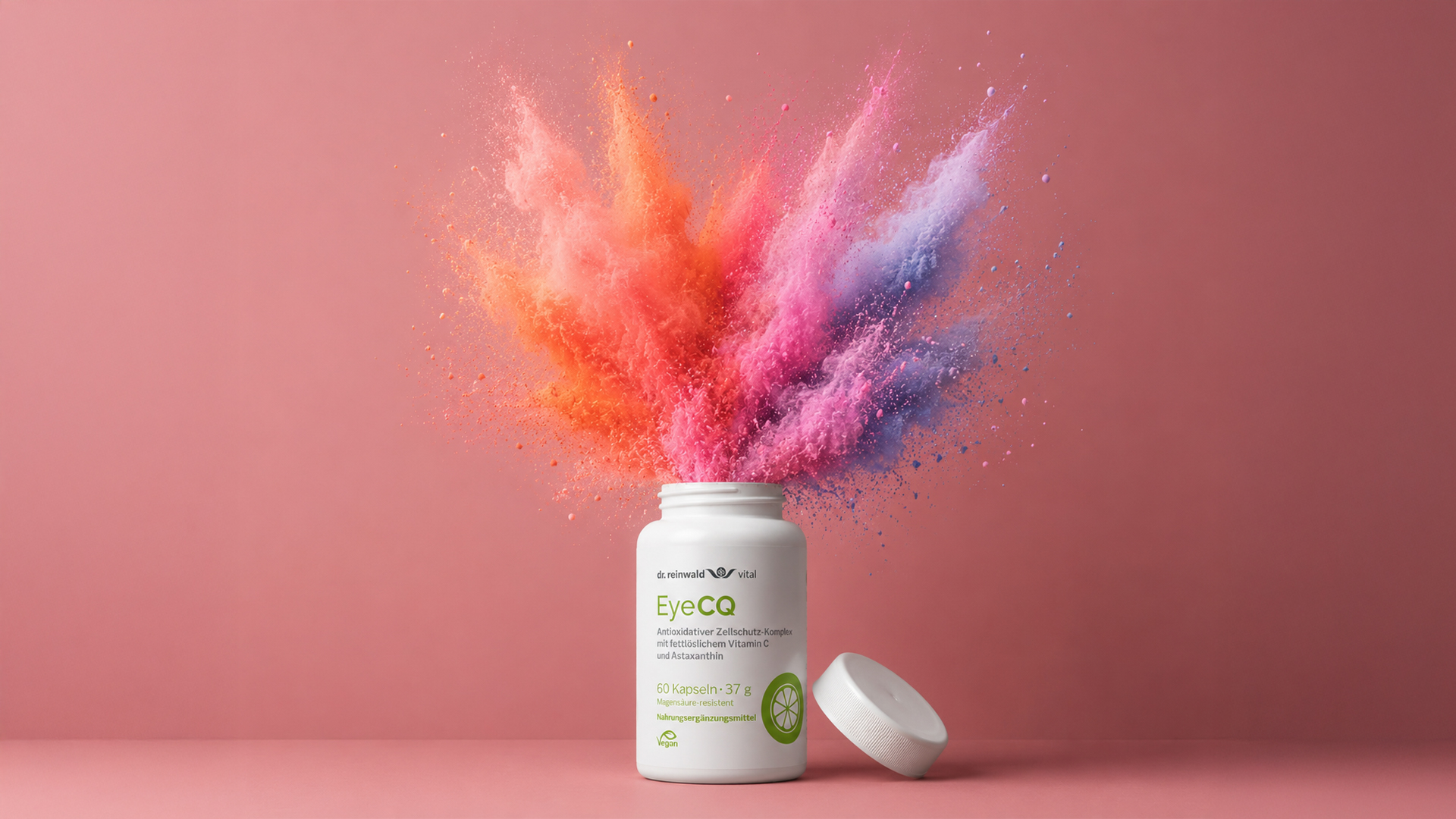
EyeCQ® (vegan)
The synergistic vitamin complex with high-dose water- and fat-soluble vitamin C can help protect against oxidative stress.
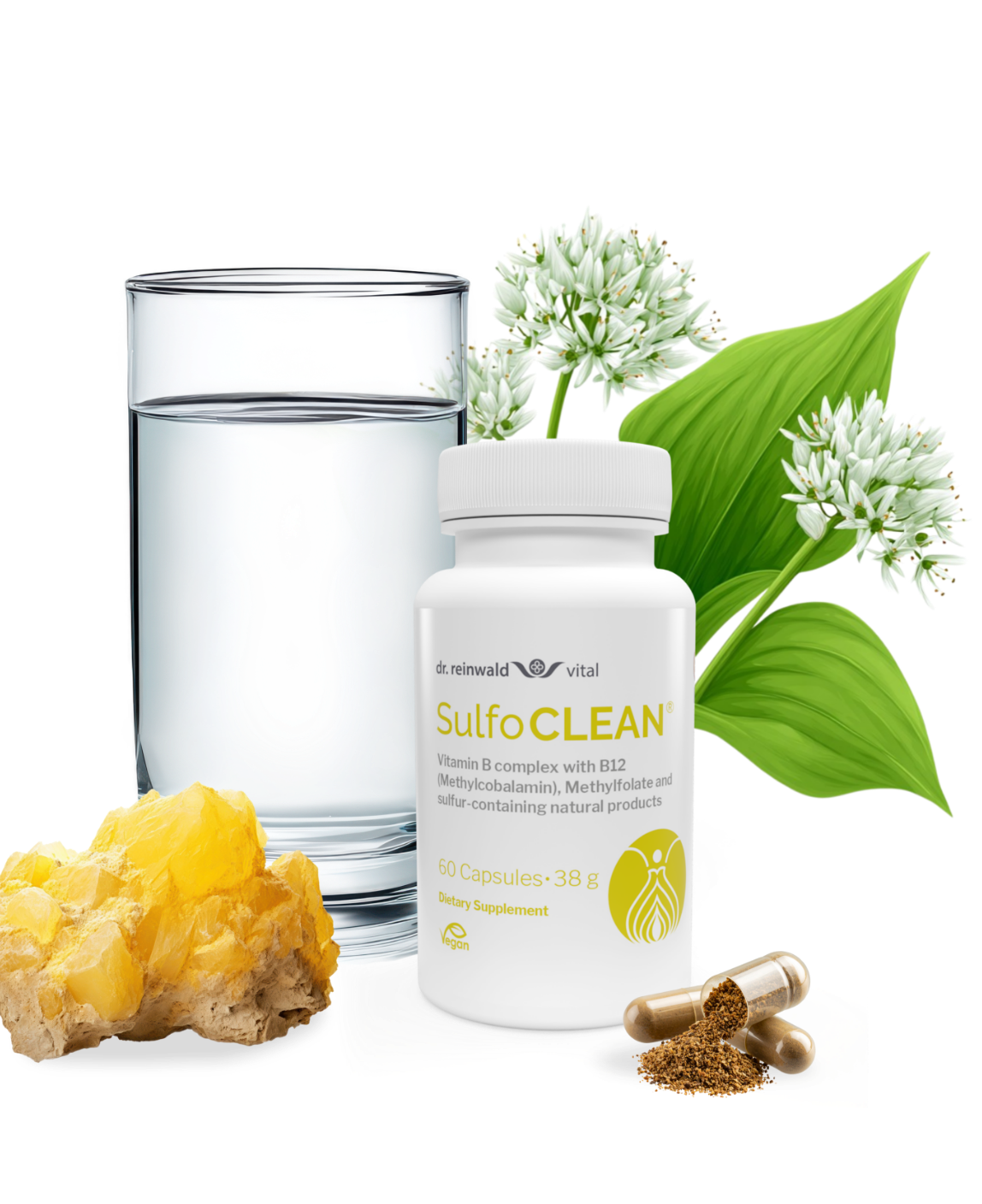
SulfoCLEAN® (vegan)
The vegan vitamin B complex with MSM and wild garlic supports the body’s own daily detoxification and metabolic optimization.
Minerals
If you want to do something good for your muscles, bones, teeth, hair, and nervous system, then you should pay attention to an adequate supply of minerals. Unlike vitamins, these are inorganic substances. Since you need relatively high amounts of these nutrients, they are also called bulk elements (as opposed to trace elements). Incidentally, minerals also play a major role in your electrolyte balance.
The group of minerals:
- Magnesium
- Calcium
- Phosphorus
- Potassium
- Sodium (chloride)
Mineral-containing foods
Like vitamins, minerals are predominantly found in plant-based foods. As part of a ketogenic diet, however, you should also make sure to hold back a little on fruit and opt more for green vegetables. Even though fruit is super delicious, most varieties unfortunately contain a lot of fructose. But don’t worry! You will find plenty of alternatives, and of course no rule is without exception.
Our mineral selection:
- All types of cabbage
- Leaf lettuces and leafy vegetables
- Legumes
- Mushrooms and button mushrooms
- Nuts, seeds, kernels such as Brazil nuts, sesame seeds, and pumpkin seeds
Product tips for minerals
If you want to specifically enhance your mineral balance, we can warmly recommend the following vital products:
ColoSTABIL® (vegan)
The fiber-rich blend of seeds, bitter substances, and herbal components supports intestinal function as well as daily nutrition.
Active H® day (vegan) | Active H® night (vegan)
The stimulating potassium mineral complex for daytime or the calming magnesium mineral complex for the evening and night:
The highly effective antioxidants support cell protection against oxidative stress.
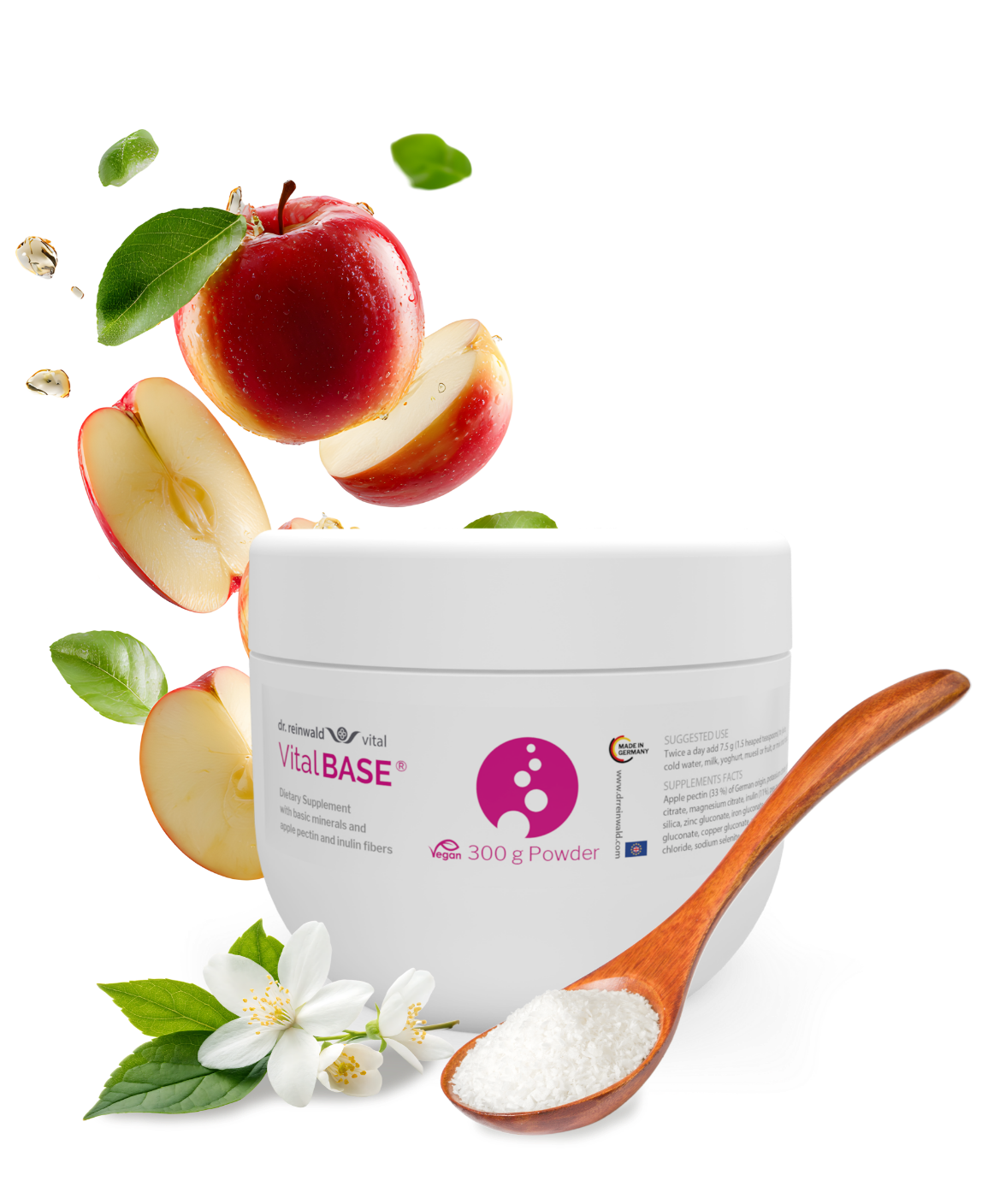
VitalBASE® with apple pectin (vegan)
The alkaline minerals and trace elements in the powder blend can contribute to optimal acid-base and metabolic balance.
Trace elements
Trace elements—like minerals—are also inorganic substances. However, as the name suggests, you need significantly smaller amounts of these elements. To ensure that your hormones and enzymes do their job well, you should prevent a deficiency. Especially during cold season, you can support your organism, for example, with sufficient zinc.
The group of trace elements:
- Iron
- Iodine
- Zinc
- Selenium
- Copper
- Manganese
- Chromium
- Molybdenum
Foods rich in trace elements
Since your body only needs small amounts of trace elements, you can be completely relaxed even as a low-carb fan.
Our trace element selection:
- Nuts, kernels, and seeds
- Mushrooms and button mushrooms
- Yeast
- Green leafy vegetables
- Dried fruit (please only small amounts here because of the sugar content)
Product tips for trace elements
If you want to specifically enhance your trace element balance, we can warmly recommend the following vital products:
ColoSTABIL® (vegan)
The fiber-rich blend of seeds, bitter substances, and herbal components supports intestinal function as well as daily nutrition.
Active H® day (vegan) | Active H® night (vegan)
The stimulating potassium mineral complex for daytime or the calming magnesium mineral complex for the evening and night:
The highly effective antioxidants support cell protection against oxidative stress.
VitalBASE® with apple pectin (vegan)
The alkaline minerals and trace elements in the powder blend can contribute to optimal acid-base and metabolic balance.
Additional sources of micronutrients
Secondary plant compounds
- These are not only natural pigments, but also anti-inflammatory and have an antibacterial effect. It is clear that these substances are found primarily in fruit and vegetables. Incidentally, the more colorful your vegetable dishes are, the more diverse the nutrients they contain. You see… it’s not only the eyes that eat too.
- Plant compound group: flavonoids, carotenoids, phenolic acids / polyphenols, phytoestrogens, glucosinolates, sulfides, monoterpenes, saponins, phytosterols, chlorophyll
Essential fatty acids
- These fatty acids are also called polyunsaturated fatty acids, and the word essential already gives it away: they are essential for your body, especially omega-3 fatty acids and omega-6 fatty acids. While your hormone balance benefits from omega-3 and it has an anti-inflammatory effect, omega-6 fatty acids can even promote inflammation when consumed in high amounts.
- Since omega-6 fatty acids are found in many (unhealthy) foods nowadays, targeted balancing with omega-3 fatty acids makes sense. Above all, fish and seafood, but also flaxseed oil, flaxseeds, hemp seeds, chia seeds, and walnuts can be on the menu—in addition to targeted supplementation.
Amino acids
- Amino acids are the smallest building blocks of proteins, and because of their immense importance they are often referred to as the building blocks of life. Basically, amino acids form the absolute foundation in your body, as they are crucially involved in the development and regeneration of your cells. Without amino acids, nothing works!
- They are divided into essential and non-essential amino acids. Your body can produce the latter itself, but not the essential ones, so targeted intake is absolutely necessary. The best way to achieve this is with a protein-rich diet. However, it must be said at this point that this is not that easy. Because here, too, the quality of the food matters, and our modern diet is usually far from sufficient to meet requirements… and vegans in particular often have a problem here, because plant proteins unfortunately have a lower net nitrogen utilization than animal proteins. Targeted supplementation can therefore be not only a solution, but an essential and sensible nutritional enhancement.
- Amino acid group:
- Essential amino acids: isoleucine, leucine, lysine, methionine, phenylalanine, threonine, tryptophan, valine (found complete in MyAMINO®)
- Non-essential amino acids: alanine, arginine, aspartic acid, asparagine, cysteine, glutamine, glutamic acid, glycine, histidine, proline, serine, tyrosine
Vital product tips
Secondary plant compounds:
ColoSTABIL® (vegan)
The fiber-rich blend of seeds, bitter substances, and herbal components supports intestinal function as well as daily nutrition.
Essential omega-3 fatty acids:
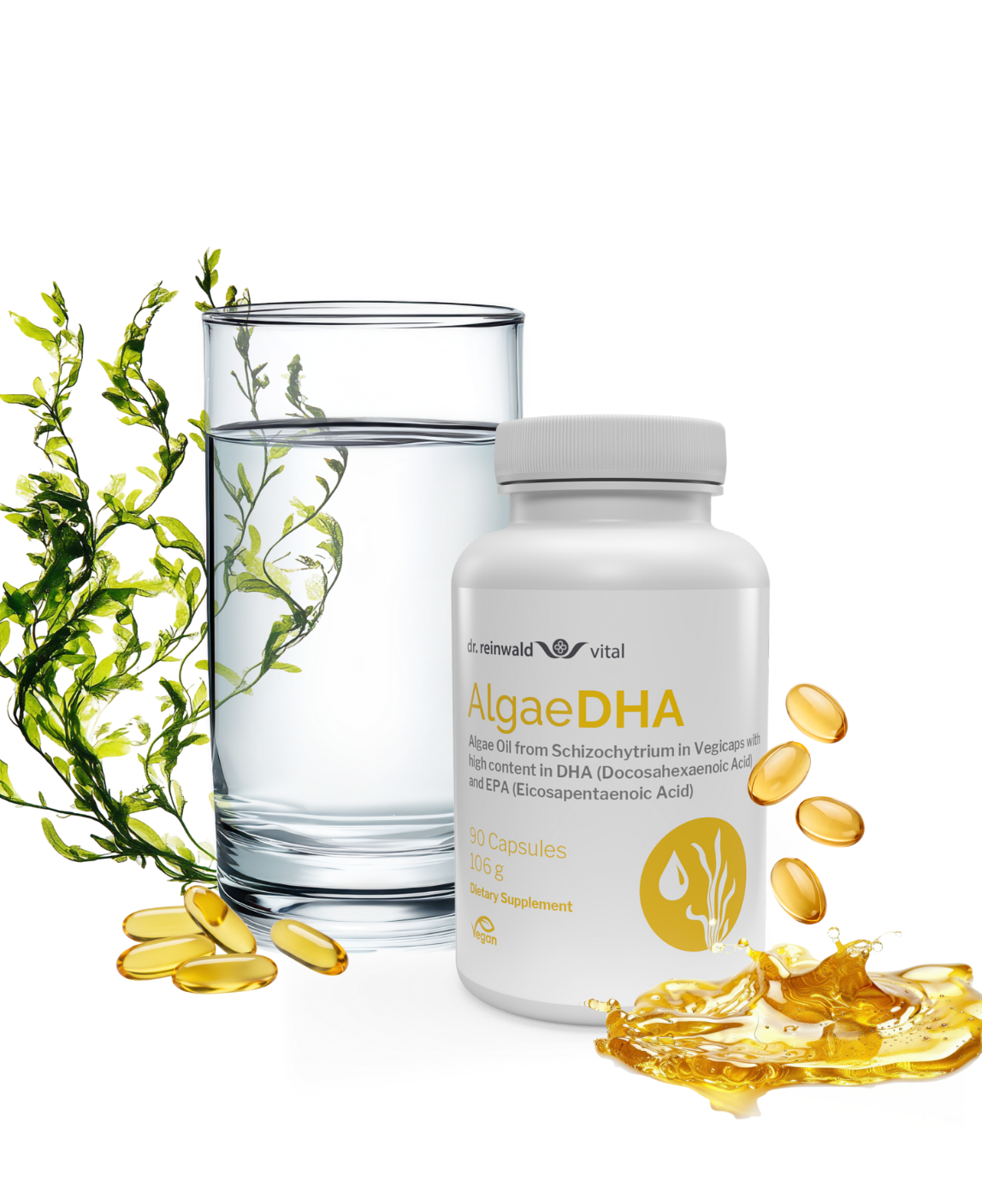
AlgaeDHA (vegan)
The vegan essential omega-3 fatty acids enhance daily nutrition and contribute, among other things, to strengthening the heart, bones, and brain.
Essential amino acids:
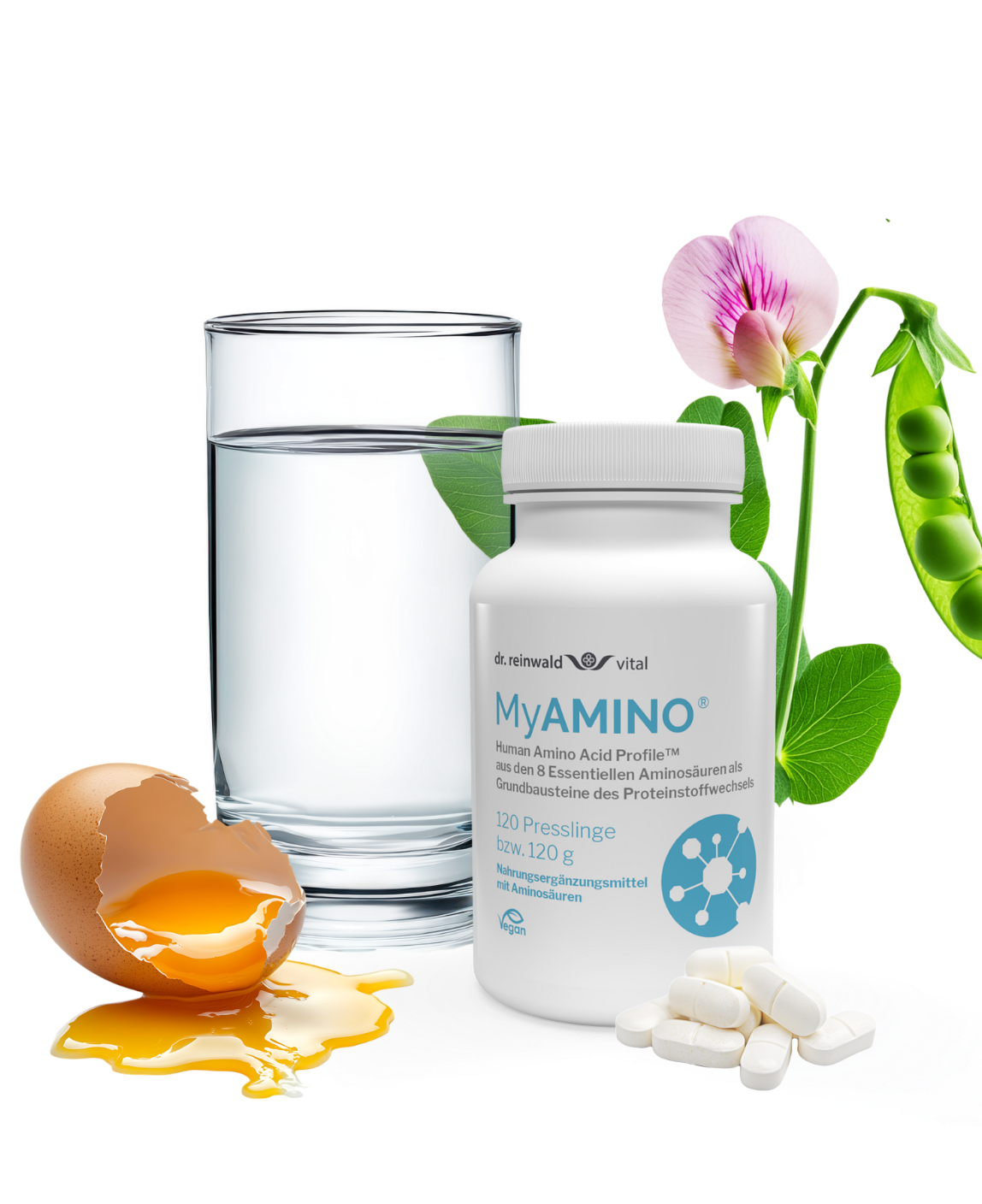
MyAMINO® (vegan)
The 8 essential vegan amino acids contain the world’s highest protein nutritional value, almost no digestive end products, and calories.