Boron & Borax – what is behind this “miracle remedy”?
The trace element boron, long largely unknown, has been experiencing something of a hype for some time now. It is considered a true miracle remedy and is said to promote bone formation, positively influence hormone balance, have anti-inflammatory effects, relieve osteoarthritis and arthritis, and help with allergies.
But is all of that true? We have taken a closer look at this trace element for you.
Natural occurrence of boron
Boron is a so-called metalloid that is widely distributed in nature. It occurs in various compounds, for example in the form of borax (sodium borate), boric acid, or kernite. It can be found, among other places, in rocks, soil, and water. For plants, boron is an essential trace element. It is not only a structural component of cell walls and is needed for cell division and thus for plant growth, but also plays an important role in photosynthesis.
Plant-based foods such as fruit (especially dried fruit), green leafy vegetables, nuts, legumes, and wine are therefore particularly rich in boron. In dairy and meat products, on the other hand, the boron content is rather low. Our tap water also contains small amounts of boron.
Good to know!
The best-known boron compound is the mineral borax, which is composed of boron, sodium, oxygen, and hydrogen and was formerly used for food preservation. In dietary supplements, borax or boric acid are usually found as ingredients.
In medicine, the alkaline trace element boron has long been used for various purposes. In the past, boric acid was used to disinfect skin and mucous membranes. Even today, boron can be found, among other things, in homeopathic formulations, medicinal water, or as an antiseptic.
How does boron work in our body?
Even though boron is still officially considered a non-essential nutrient, there is no longer any doubt about its important significance for our health. And that is a good thing. Because boron is not only indispensable for the strength and elasticity of cell walls and membranes; it is also significantly involved in many tasks and functions in our body.

Boron = heavy metal = toxic?
We are repeatedly asked whether, or to what extent, boron is toxic. Here we can reassure you. To actually cause poisoning with symptoms such as nausea and vomiting, one would have to consume more than 100 mg of boron per day, which is rather unlikely given this amount.
Boron promotes bone health
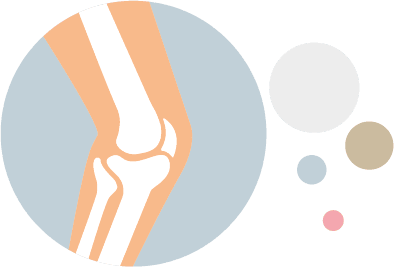
Boron is essential for the health of our bones and joints. In naturopathy, it has long been regarded as an important trace element for building and maintaining bone structure and is used, among other things, in the treatment of osteoporosis.
But why is that? Quite simply: boron promotes the activity and proliferation of bone-forming cells. It controls bone mineralization by influencing the regulation of the bone-forming nutrients calcium, magnesium, and vitamin D, as well as the hormones testosterone and estrogen, which are important for bone formation.
Boron reduces the excretion of calcium and magnesium in the kidneys, while at the same time improving absorption from the intestine and incorporation into the bones. Since boron acts on magnesium, which converts vitamin D into its active form, boron also has an influence on our vitamin D levels. In addition, it inhibits an enzyme that breaks down vitamin D.
 rn
rn
Boron regulates the sex hormones testosterone and estrogen
Boron also plays a key role in regulating the sex hormones testosterone and estrogen. When boron is taken, testosterone levels rise in men and estrogen levels rise in women. The latter is particularly relevant during and after menopause, when estrogen in the body is only present in small amounts. Since a declining estrogen level is considered one of the main causes of bone loss in women after menopause, regular intake of boron can help increase bone density and thus reduce the risk of osteoporosis. However, women undergoing hormone replacement therapy or anti-hormone therapy should consult their therapist before supplementing with boron.
Boron regulates inflammation
Chronic inflammation is considered the cause of many complaints and diseases. By neutralizing free radicals and inhibiting typical inflammatory markers, boron can slow inflammatory processes in the body. As a result, for example, in active osteoarthritis or arthritis, the progression of the disease can be effectively inhibited and symptoms alleviated.
But boron can also have a positive effect on other diseases associated with inflammation, such as rheumatism, psoriasis, or neurodermatitis.
 rn
rn
Boron can have a positive influence on allergies
An insufficient supply of boron can lead to an increased occurrence of allergies, including hay fever and allergic skin diseases. Therefore, allergy sufferers in particular should ensure an adequate supply of boron.
Further effects of boron:
- regulates the acid-base balance (boron is alkaline)
- supports the parathyroid glands
- improves the electrical activity of the brain and thus cognitive performance as well as short- and long-term memory
- strengthens eyesight and sense of balance
- protects against pesticide-induced oxidative stress and heavy metal toxicity
- has a strong disinfecting effect (especially against fungi and microorganisms)
- reduces the penetration of toxins and other harmful agents into the body
- promotes muscle growth
- activates the pineal gland
Who is boron suitable for?
Boron is generally well tolerated and quickly absorbed by our body. In healthy people, excess amounts are excreted again in the urine after three to four days, so that no accumulation or storage can occur in the body.
Children, pregnant women, and people with kidney disease or impaired kidney function, however, should pay closer attention to the boron contained in dietary supplements. While small amounts of boron, such as those in our VitalBASE®, are generally harmless for these groups of people and can be excreted, the consumption of higher daily doses of boron, such as those in Active H®, varies from case to case. But please do not worry: we will not leave you on your own and will help you find your individual amount as well as the right vital product.