No More Glitter and the Like: EU-Wide Ban on Microplastics
Are We Safe Now? Why the Microplastics Ban Alone Is Not Enough
Microplastics are everywhere. Whether in the deep sea, in the Arctic, in drinking water, in the air, or in human blood – today there is no longer any place where these tiny plastic particles cannot be found. An enormous threat, to our environment as well as to our health! To put a stop to this, the European Commission has now announced a gradual ban on microplastics. But what exactly does the ban mean? And why is it still so important to continue protecting and regularly cleansing your body?
What Are Microplastics?
Microplastics are defined as all synthetic polymer particles under five millimeters in size that are organic, insoluble, and difficult to break down. Microplastics are now ubiquitous; they are found in cosmetics, laundry detergents, cleaning and household products, chewing gum, toys, clothing, fertilizers, and plant protection products. Since the tiny particles can accumulate in animals, including fish, mussels, and shellfish, they also end up on our plates.
A First Step: the Europe-Wide Ban on Microplastics
The European Commission’s microplastics ban came into force in mid-October 2023. The ban is to be implemented gradually and applies both to microplastics as such and to products to which microplastics have been added and which release them during use.
The new regulation aims to reduce global microplastic pollution by 30 percent by 2030. The individual measures will be implemented step by step. As a first step, a ban on the sale of loose glitter and microbeads, such as those found in creams and exfoliating scrubs, has been in effect since October 15, 2023.
Gradual Expansion of the Ban
In all other cases, the sales ban will only come into force after a longer transition period, in some cases lasting several years. This is intended to give stakeholders, such as manufacturers, time to adapt to the new regulations and find alternatives. Accordingly, in four to twelve years, depending on the complexity of the product, the ban is to be extended to other cosmetics. The granulate used on artificial turf pitches and other artificial sports surfaces, which according to the EU Commission is currently the largest source of the release of added microplastics, is also not to be banned until eight years from now.
Products used at industrial sites or those that release no or hardly any microplastics during use are exempt from the regulation. There are also exemptions for medicinal products as well as for food and feed.
The Invisible Danger: Microplastics in Our Environment
When most people think of microplastics, they immediately think of cosmetics or laundry detergents, cleaning and household products. But what many people do not know is that the proportion of primary microplastics – deliberately manufactured as such and added to products such as cosmetics – accounts for only a vanishingly small share of the microplastic pollution in our environment.
The majority of it concerns so-called secondary microplastics: these are created unintentionally, for example when opening plastic packaging and plastic bottles, when washing clothing containing synthetic fibers, through tire abrasion while driving, through abrasion from shoe soles, and when plastic waste in the air, in the sea, or on the ground very slowly breaks down into ever smaller pieces. As a result, vast amounts of plastic waste end up in nature every year – and in our bodies.
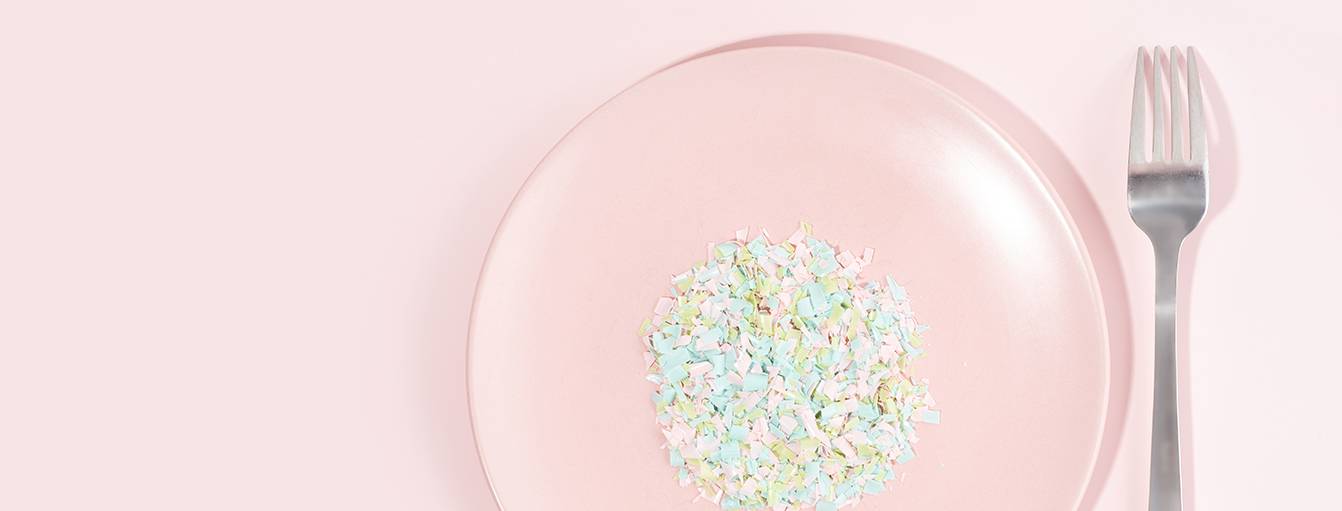
“Plastic will be the main ingredient in all of our grandchildren’s recipes.”
Anthony T. Hincks, Welsh writer, editor, and musicologist
How Does Microplastic Affect Our Health?
Even though the effects of microplastics on our health are still often downplayed by official bodies – usually with reference to the lack of studies on long-term effects – numerous studies have produced alarming results in recent years:
- An adult takes in an average of around 14,000 microplastic particles per day through the air they breathe, water, and food. (1)
- Every hour, we inhale about 16.2 pieces of microplastic, which settle in the nasal cavity, throat, and upper respiratory tract. (2)
- Once microplastic is in our body, it can accumulate in intestinal tissue, but also in other organs such as the liver, kidneys, lungs, or spleen. Scientists have now also detected small plastic particles in stool, breast milk and the placenta, and even in blood and the heart. (3)
- The blood-brain barrier is not safe from microplastics either. The tiny particles can also penetrate it and damage brain cells through the chemicals they contain. (4)
The insidious thing about microplastics: the plastics themselves contain a large number of toxic additives such as plasticizers, flame retardants, color pigments, or stabilizers. In addition, they can bind pollutants, pathogens, or other substances from their surroundings. So when microplastic particles enter our organism, they bring a great deal of harmful baggage with them, from toxins and germs to endocrine disruptors, which have hormone-like effects and can completely throw our metabolism out of balance.
The Following Physical Reactions and Diseases Are Associated with Microplastics:
- Inflammatory reactions in tissues and organs. If these go undetected, this can increase the risk of secondary diseases such as chronic inflammatory bowel diseases, cardiovascular diseases, metabolic diseases such as type 2 diabetes, or even cancer. You can find more information here
- Disruptions of hormonal regulatory circuits with negative effects on reproductive capacity, the body’s own detoxification, and other vital processes
- Disruptions of the microbiome
- Increased susceptibility to infections
- Growth disorders
- Respiratory complaints such as coughing or shortness of breath
- Attention disorders through to autism
- Allergic reactions
- Neurological diseases such as Alzheimer’s, Parkinson’s, or multiple sclerosis
What to Do? Don’t Give Microplastics a Chance!
In view of the facts presented, the question arises as to whether the EU ban is not just a drop in the ocean. That is why you should take your luck – or rather your health – into your own hands!
On the one hand, this means avoiding all products that contain microplastics in any form through conscious shopping habits.
The following apps can support you in everyday life: Codecheck, Bett the Micro Bead or Replace Plastic App
But what can be done about the microplastic particles that have already become lodged in the body?
Chitosan, as found for example in oyster mushrooms, offers a wonderfully effective solution here: like a kind of suction cup, it can bind even tiny particles to itself and help eliminate them. Chitosan also scores points with natural antibacterial and antifungal properties. This is why the natural substance has long been used successfully in environmental technology and agriculture.
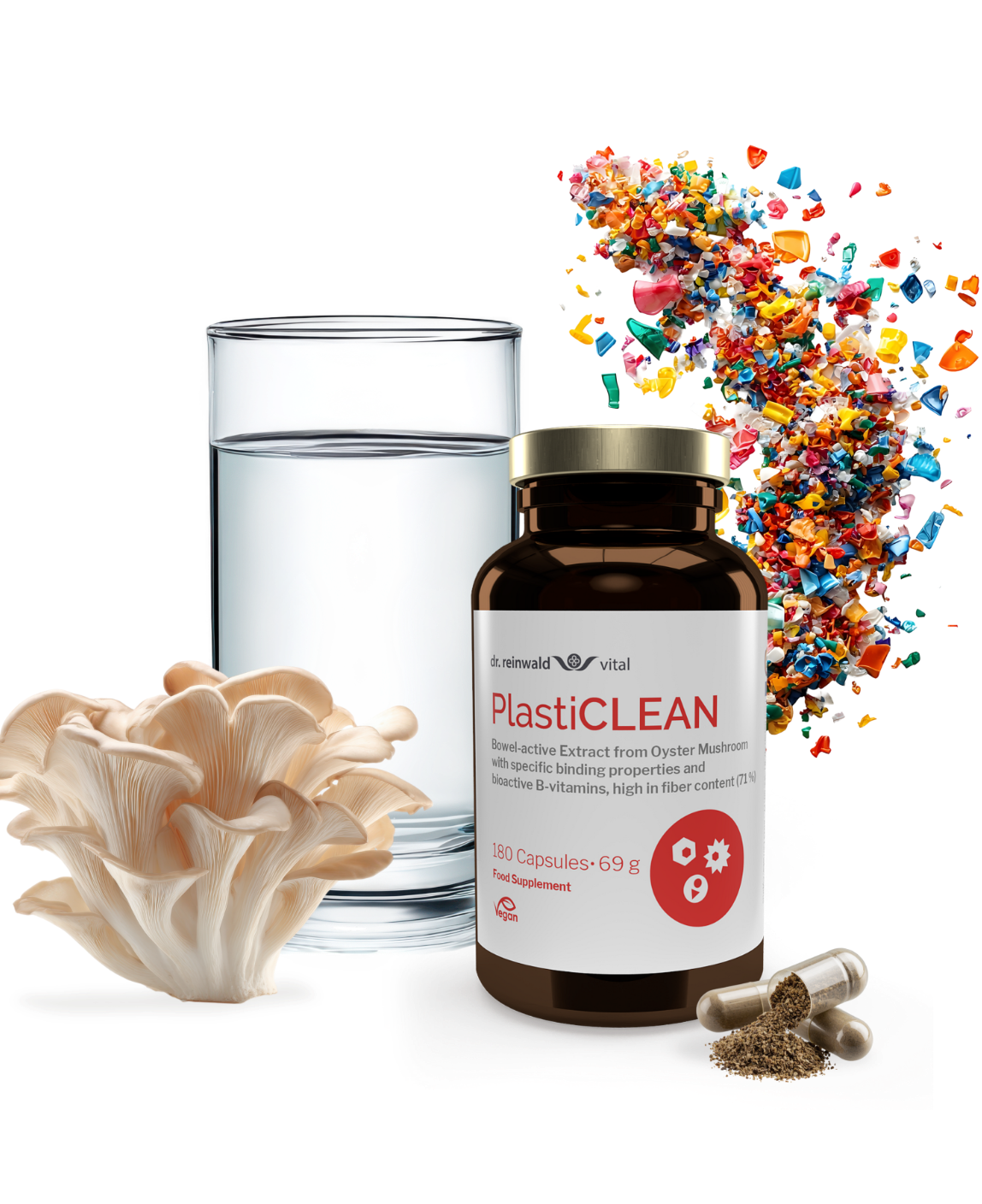
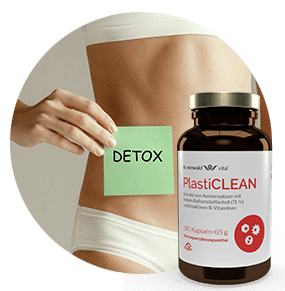
And this is where our PlastiCLEAN® comes in. Thanks to the specific binding properties of the oyster mushroom chitosan fiber and the bioactive B vitamins, non-polar substances can be bound in the intestine and gently cleansed and relieved. PlastiCLEAN® is 100% vegan, purely natural, free from additives and heavy metals, and our first choice for microplastics!
More Articles on the Topic
Taking a Closer Look at Microplastics
Sources
https://www.spektrum.de/news/mikroplastik-halloween-ohne-glitzerstaub/2190045#
https://medizindoc.de/studien-zeigt-erstmals-die-giftigen-wirkungen-von-mikroplastik/
Further Information on the EU Commission Regulation
https://ec.europa.eu/commission/presscorner/detail/de/ip_23_4581
https://ec.europa.eu/commission/presscorner/detail/de/qanda_23_4602