Gluten Intolerance?
The 6 Most Common Symptoms
Abdominal cramps, headaches, fatigue, depression… Gluten intolerance or celiac disease can have many faces. Since the symptoms are usually very nonspecific and vary from person to person, it is also referred to as the “chameleon among diseases.” Those affected often go through years of suffering before they finally receive a diagnosis. Does this sound familiar? We explain what happens in the body with gluten intolerance and what the most common symptoms are.
Gluten intolerance – what exactly is it?
Gluten, a protein mixture also known as gluten protein, is found in all common grains such as wheat, spelt, barley, rye, oats, and green spelt, as well as in ancient grains such as einkorn, kamut, and emmer. Because of its special food-technological properties, gluten is also often used as an emulsifier, as a carrier for flavorings, or for gelling and stabilizing, for example in sausage, sweets, sauces, and spice blends.
The terms gluten intolerance or gluten sensitivity encompass all symptoms triggered by consuming certain types of gluten. However, there are differences: In people with celiac disease (also called sprue), even the smallest amounts of gluten trigger an autoimmune reaction. This means the body reacts to the grain protein with a defensive response and also attacks the body’s own structures. As a result, chronic inflammation of the small intestine occurs, which over time destroys the intestinal mucosa and the intestinal villi, thereby impairing nutrient absorption in the intestine. The body is no longer adequately supplied with vital vitamins and minerals, which can lead to malnutrition and, in children, to growth and developmental disorders.
Gluten sensitivity or non-celiac gluten sensitivity refers to hypersensitivity to gluten or other grain components. It causes similar symptoms but does not trigger an autoimmune reaction and does not cause any recognizable changes to the intestinal mucosa.

»The path to health leads through the kitchen,
not through the pharmacy.«
Sebastian Kneipp (German Catholic priest, naturopath, and hydrotherapist)
Symptoms associated with gluten intolerance
The symptom patterns of gluten intolerance vary from person to person and are sometimes very nonspecific. In addition, symptoms often do not appear immediately after consuming gluten, but only days later. They can last from a few hours to several weeks and become chronic. Many people suffer from a wide range of symptoms without knowing anything about their intolerance.
We have compiled the six most common signs of gluten intolerance for you. If you frequently or even permanently experience one or more of the following symptoms, you should have your naturopath test you for gluten intolerance and celiac disease.

1) Digestive problems
Digestive complaints such as trapped gas, a feeling of fullness, abdominal cramps, diarrhea, and constipation are the most common symptoms of gluten intolerance. In people with celiac disease, impaired fat digestion can lead to fatty stools (steatorrhea). The stool is then mucous-like, greasy, pale in color, and has an unpleasant odor.

2) Neurological disorders
Our gut has an autonomous nervous system that is directly connected to the central nervous system and has the same nerve cells as our brain. This is why the gut is also referred to as the abdominal brain or second brain.
Accordingly, it is not surprising that consuming gluten in the case of gluten intolerance can also cause neurological disorders. (1) These can manifest in many different ways:
- Headaches or migraines
- Low blood pressure and dizziness
- Balance disorders
- Regulatory disorders of the autonomic nervous system
- Tingling and numbness in the arms and legs (neuropathy)
- Pain in muscles and joints (fibromyalgia)
- Depression and anxiety disorders

3) Autoimmune diseases
Celiac disease and gluten sensitivity can trigger other autoimmune diseases or worsen them if they are already present. These include rheumatoid arthritis and the chronic thyroid disease Hashimoto’s thyroiditis, among others.

4) Skin changes
Dermatitis herpetiformis Duhring (DHD) is caused by consuming gluten, which is why it is also referred to as “celiac disease of the skin.” The chronic blistering skin disease is accompanied by severe itching. Other skin conditions can also improve with a gluten-free diet.

5) Fatigue & exhaustion
After eating, especially gluten-containing foods, do you suddenly feel dog-tired and otherwise repeatedly feel lacking in drive and completely worn out? If everyday life is severely limited by constant fatigue, this is referred to as chronic fatigue syndrome (CFS). This too can be an indication of gluten intolerance.
6) Unexplained nutrient deficiency
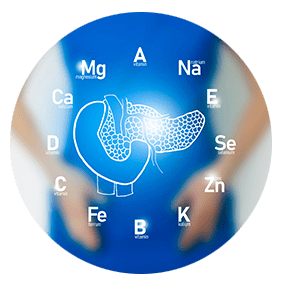
If a nutrient deficiency exists despite a balanced diet, especially in iron, vitamin A, B12, and B6, this may be an indication of gluten intolerance. Iron deficiency in particular is a common symptom of celiac disease in both adults and children.

»Reason begins in the kitchen.«
Friedrich Wilhelm Nietzsche (German philosopher and classical philologist)
Healthy and gluten-free: the ketogenic diet
Since gluten intolerance is considered incurable, lifelong avoidance of gluten-containing foods is usually the only therapy, especially in the case of celiac disease. The ketogenic diet, which is practically gluten-free due to the avoidance of carbohydrates, is a wonderful alternative here.
With a protein-rich diet, plenty of low-carbohydrate vegetables, sufficient “good” fats, and lots of water, your gut and your body can regenerate optimally.
You can learn more in the book “Gesund, schlank und fit” by Dr. Heinz Reinwald
Vital products for your gut health from dr.reinwald vital
You don’t want to permanently give up gluten-containing foods and would like to treat yourself to good bread or a delicious pasta dish from time to time?
Then we recommend SpikaZYM plus with the natural protein-degrading (proteolytic) enzyme prolyl oligopeptidase. It specializes in breaking down proteins, especially particularly resistant proline compounds in the intestine, tissue, and blood. Proline is contained in grain gluten, among other things, as “gluten protein.” The additionally included milk thistle is intended to stimulate the power of the liver and thus support the body’s own breakdown and elimination processes. SpikaZYM plus is therefore our vital product of choice for the prevention of celiac disease and other gluten-sensitive
Would you like to build up and support your microbiome?
ActiveBRAVO probiotic
Preparation of probiotic BRAVO yogurt with colostrum and more than 100 active probiotic cultures supports biodiversity and thus the maintenance of your physiological intestinal flora.

MyREGULATE
the probiotic ferment concentrate with vitamin C feeds your microbiome with live lactic acid bacteria and gently supports your digestion.