Natural Remedies
There is an herb for every illness
Paracelsus already said: “God has made a plant grow for every illness. Look around in nature and use the gifts of nature’s pharmacy.” Unfortunately, many people, including modern conventional medicine, have forgotten that herbal medicine, which today is referred to as “alternative” medicine, was the only known healing art until about 150 years ago.
However, due to industrialization, it lost importance from the mid-20th century onward and almost fell into oblivion—almost, but not entirely: According to a study by the University of Duisburg-Essen, in 2015 every third over-the-counter medicine belonged to the group of natural remedies and was highly valued by patients for its tolerability and effectiveness. This has not changed during the coronavirus crisis—quite the opposite! According to an aposcope study, demand for natural remedies to strengthen the immune system and cope with stress has once again increased significantly. A good reason, then, to take a closer look at helpful herbs and plants and introduce them to you here.
Medicinal plants: Natural diversity for your health
For thousands of years, people all over the world have trusted in the healing properties of various plants. But what makes herbs such as wild garlic, dandelion, or milk thistle so special? Why are they used in so many cultures to relieve ailments? The answer lies in their valuable active compounds, which can have a positive effect on our bodies.
Medicinal plants work differently from conventional medicines. This is because they do not consist of just a single artificial active ingredient. On the contrary—each plant contains a colorful potpourri of natural substances. Vitamins, minerals, trace elements, and antioxidants are just some of them.
However, secondary plant compounds are particularly interesting. They give medicinal plants their specific effect and make each one unique. So the next time you drink a cup of peppermint tea or use sage for a sore throat, remember the diverse power of nature! These natural ingredients can help relieve ailments in different ways—without chemical additives or side effects.
Natural effects without risks and side effects?
In the world of medicinal plants, there is a wide variety of species and options that can help support health in a natural way. One particularly fascinating special topic is adaptogenic plants. These special plants have the ability to support your body in stressful situations and restore its balance.
A well-known example of such a medicinal plant is Rhodiola rosea, also known as roseroot. This plant has been used in traditional medicine for centuries and has proven to be an effective remedy against stress. Taking roseroot can increase resilience to strain and help us feel more balanced overall. However, it is important to note that medicinal plants can also have side effects. Undesirable reactions may occur, especially in sensitive individuals. It is therefore advisable to carefully check whether you tolerate adaptogenic plants as well as other herbal remedies before taking them. Pregnant or breastfeeding women in particular should urgently consult their therapist about this.
Overall, however, medicinal plants offer a versatile way to support health holistically. By familiarizing yourself with the various properties of these plants and using them in a targeted way, you can promote your well-being naturally.
Green Healing Power
Guide to Using Medicinal Plants and Herbs
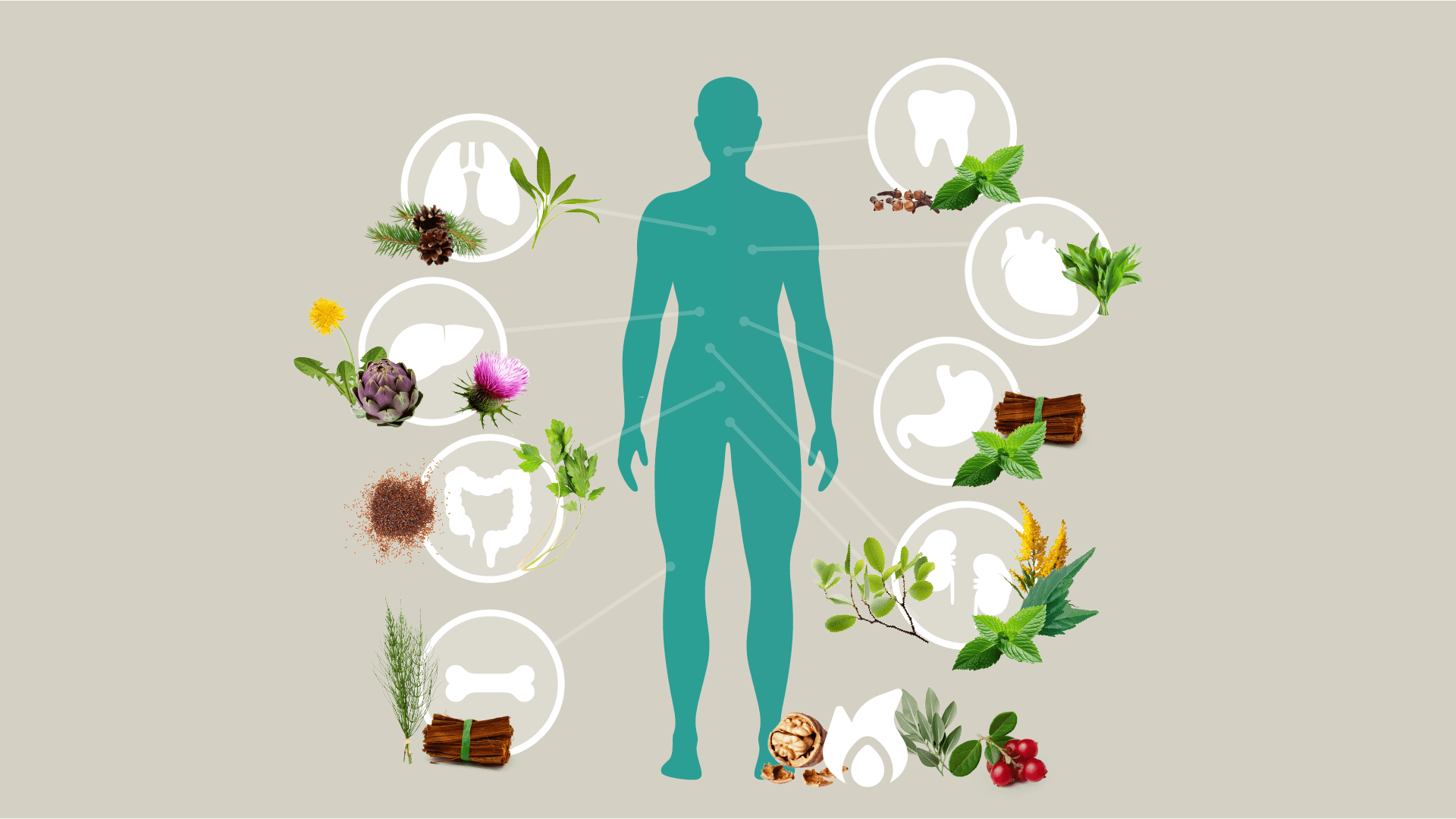
Below, we now present some powerful medicinal plants and their health applications in detail. Our plant map shows you where and how each of these plants works in your body.
Of course, this list is by no means complete! However, since not all medicinal plants can be listed, we would like to introduce you to the following wonderful herbs and plants, which you can also find in our vital products.
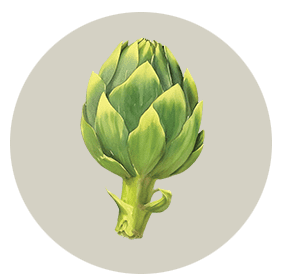
Artichoke
The flower bud of the artichoke is not only a delicious vegetable, but also a true miracle remedy for our health. Artichoke leaves in particular can unfold their healing effect as an extract, as they are rich in bitter substances such as the powerful cynarin, flavonoids, vitamins, and minerals.
They have a positive effect on the health of the gallbladder and liver, promote bile flow, protect the liver, and support its regeneration. Even the pancreas is stimulated by the bitter substances in artichoke leaves to release digestive juices. Overall, artichoke leaves have cholesterol-lowering, anti-inflammatory, antispasmodic, and antioxidant effects. Artichoke can be used both as fresh plant juice and in capsule form.
You can also find artichoke leaves in this dr.reinwald product:
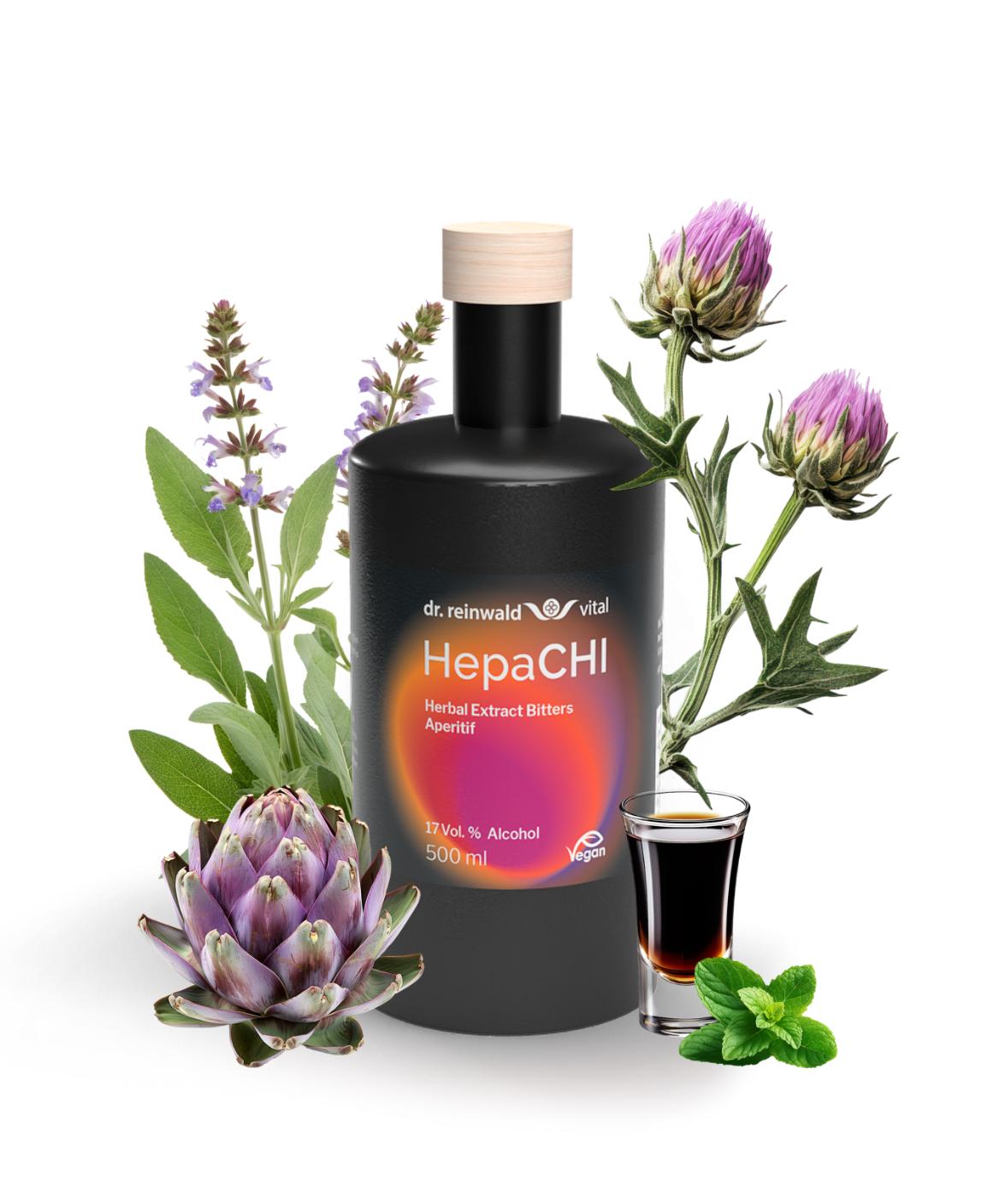
HepaCHI
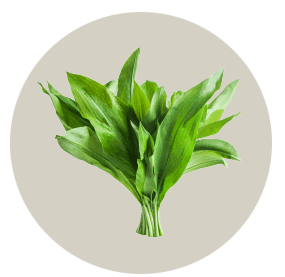
Wild Garlic
Wild garlic is a versatile herb with positive effects on health. It helps with fermentation processes in the intestines, bloating, and cramp-like pain. In addition, wild garlic can stimulate appetite, promote bile flow, lower cholesterol, and dilate blood vessels. The allicin that is produced when wild garlic is consumed has antibacterial effects and can help with mild gastrointestinal disorders. Overall, wild garlic promotes healthy intestinal flora.
Wild garlic also strengthens the body and supports detoxification. Due to its high vitamin C content, it has a positive effect on the immune system and protects the cells, as does vitamin E. The potassium it contains is beneficial for high blood pressure and contributes to healthy heart function.
You can also find wild garlic in this dr.reinwald product:
SulfoCLEAN

Bearberry Leaves
Bearberry is a medicinal plant with a detoxifying effect on the kidneys, bladder, and urinary tract. Since it can inhibit the proliferation of bacteria, the leaves of this medicinal plant are also often used for coughs. After the main component arbutin is converted in the body into hydroquinone, it can have a mildly disinfecting effect, making its use interesting for bladder infections, lower abdominal pain, and painful urination.
You can also find bearberry leaves in this dr.reinwald product:
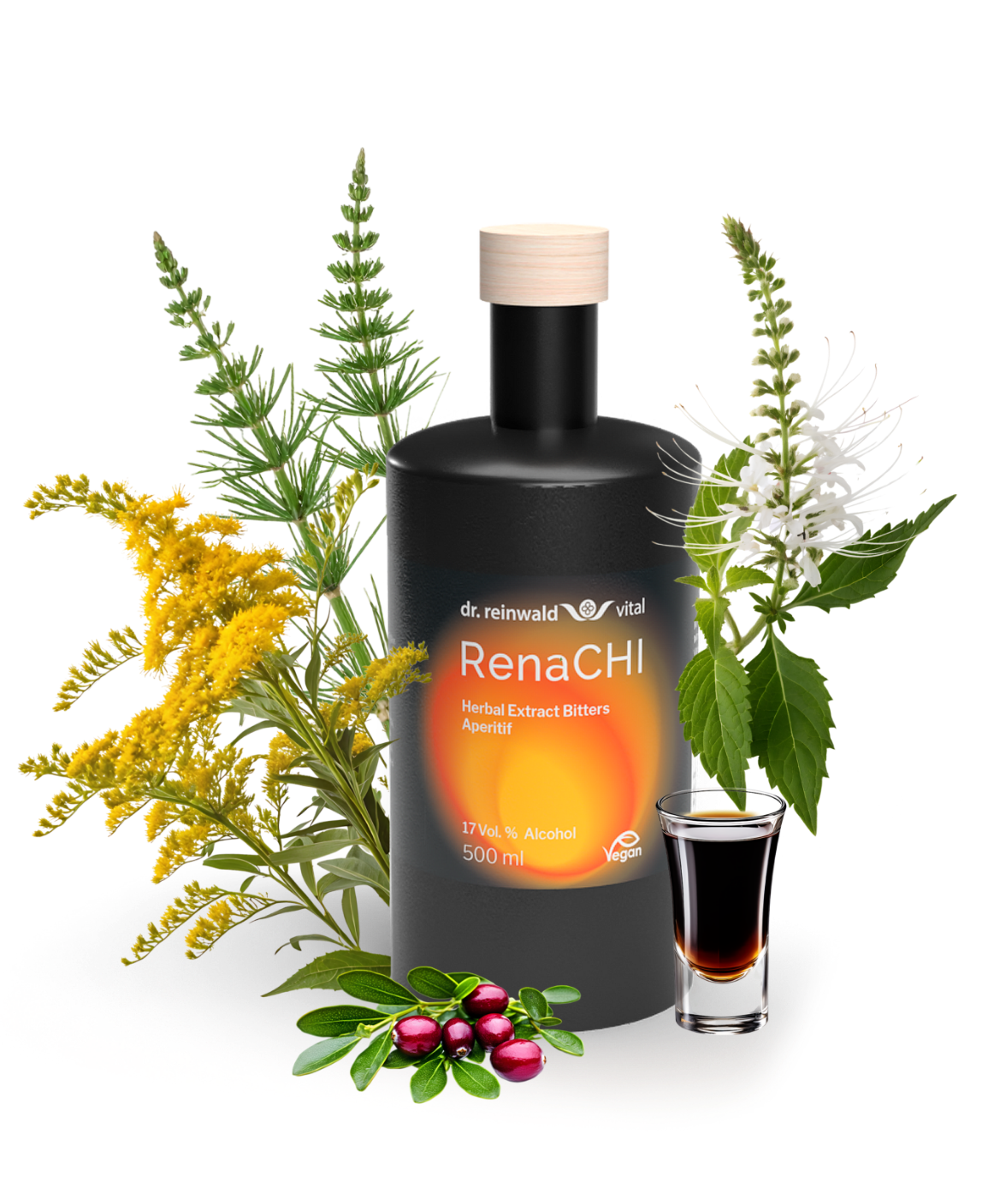
RenaCHI
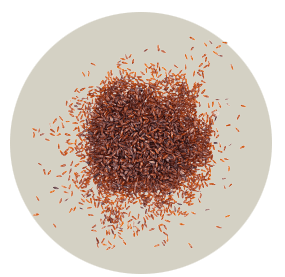
Psyllium Seeds
These small seeds, which visually resemble fleas, are true powerhouses full of soluble fiber. They form a gel in water and can gently relieve constipation.
But that’s not all! Psyllium husks have an amazing swelling capacity and can expand to 20 times their volume. As a result, they help not only with constipation, but also with irritable bowel syndrome and other intestinal problems. Whether you suffer from hemorrhoids, anal fissures, or have had intestinal surgery—psyllium husks are a reliable companion for easier bowel movements.
By the way: To achieve an optimal effect, it is important to drink as much water as possible when consuming psyllium husks.
You can also find psyllium husks in this dr.reinwald product:
ColoSTABIL
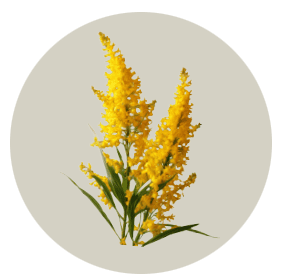
Goldenrod Herb
Goldenrod—also called “Solidago,” which means something like “healthy”—has long been used as a medicinal plant, and for good reason. The two well-known species, European goldenrod and giant goldenrod, are both known for their positive effect on urinary tract disorders. Interestingly, studies also show positive effects for arthritis, rheumatic complaints, and gout. Goldenrod even supports the kidneys in detoxification and helps the skin as a detoxification organ.
You can also find goldenrod herb in this dr.reinwald product:
HepaCHI
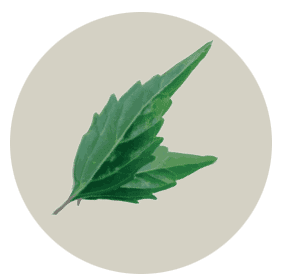
Java Tea Leaves
Java tea is native to tropical Asia, especially Malaysia, and to Australia.
In phytotherapy, the dried leaves of Java tea (Orthosiphonis folium) are often used for diseases of the urinary tract and kidneys. Java tea is also frequently used in flushing therapies to treat bacterial infections and inflammations of the urinary tract and kidneys.
As a diuretic, Java tea is also used for urinary tract infections, bladder infections, irritable bladder, and inflamed mucous membranes of the urinary tract and kidneys (bladder or kidney catarrh). The plant can also provide relief for chronic kidney and bladder inflammation. In addition, accumulations of small kidney stones (kidney gravel) can be treated with orthosiphon leaves, also preventively.
You can also find Java tea leaves in this dr.reinwald product:
RenaCHI
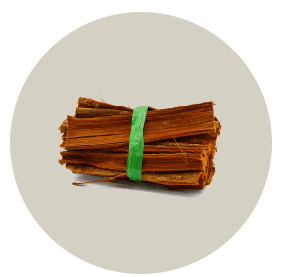
Cat’s Claw
The bark and root of cat’s claw have been popular for centuries, especially in the traditional medicine of Central and South America, as they promise relief for many health problems. The areas of application primarily include inflammation-related joint pain, rheumatoid arthritis, herpes, inflammation of the stomach lining (gastritis), stomach ulcers, diverticulitis, inflammation of the colon (colitis), hemorrhoids, and parasitic infections.
You can also find cat’s claw in this dr.reinwald product:
SerraZYM plus
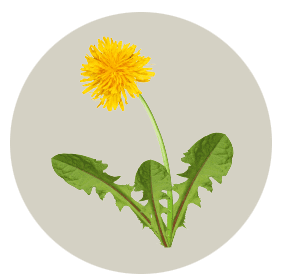
Dandelion
Dandelion can be used in many ways to benefit from its positive and healing effects. Whether as a refreshing salad, soothing tea, nourishing plant juice, or concentrated root extract—dandelion offers a wide range of options for supporting health.
However, the positive effect of dandelion on digestion is particularly impressive. It stimulates gastric juice production, increases appetite, and even relieves cramps. If you suffer from digestive complaints such as bloating or a feeling of fullness, dandelion could be the solution for you.
In addition, dandelion has a choleretic effect, which stimulates the production of bile and improves fat metabolism. This can be particularly helpful for liver and gallbladder problems such as hepatitis, gallstones, or liver cirrhosis.
You can also find dandelion root in these dr.reinwald products:
NattoZYM plus & HepaCHI

Milk Thistle
This prickly, purple-flowering plant is not only beautiful to look at, but can also be found growing wild along roadsides in warm regions. For centuries, milk thistle seeds have been used to strengthen the liver, as they contain the active ingredient silymarin.
Since silymarin is said to have a strong protective effect on the liver, it is often used to help prevent liver overload and stimulate liver vitality. Milk thistle has proven highly effective even in cases of fatty liver. Its liver-protective effect has been clearly demonstrated in studies—it can reduce or even neutralize the harmful potential of liver-damaging substances. But that’s not all: milk thistle also accelerates the regeneration of liver cells.
You can also find milk thistle in these dr.reinwald products:
ProZYM plus & HepaCHI
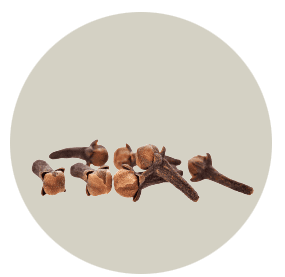
Cloves
Cloves are not only an indispensable spice in the kitchen, but also a valuable remedy in Chinese and Ayurvedic medicine. As early as the 3rd century BCE, Chinese physicians knew of their healing powers.
In phytomedicine, clove is therefore particularly known for its pain-relieving properties and is often used as a home remedy for toothache. But that is far from all! It promotes digestion and has anti-inflammatory, antiseptic, and antioxidant effects. No wonder it is also often used for loss of appetite.
You can also find cloves in this dr.reinwald product:
ImmuCHI
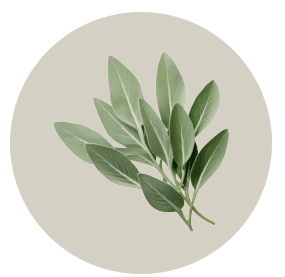
Olive Leaves
For many centuries, various illnesses have been treated with olive leaves in folk medicine. Olive leaves played an important role in medicine among the ancient Greeks and Romans as well as among other peoples around the Mediterranean.
Hildegard of Bingen also particularly valued these leaves. She successfully treated digestive complaints with a tea made from olive leaves. However, this tea tastes very bitter and tart, which is why taking an extract is more pleasant. Olive leaf extract has strong antioxidant, antibiotic, antiviral, antifungal, and antiparasitic effects and could therefore provide supportive benefits in the treatment of many diseases.
You can also find olive leaves in this dr.reinwald product:
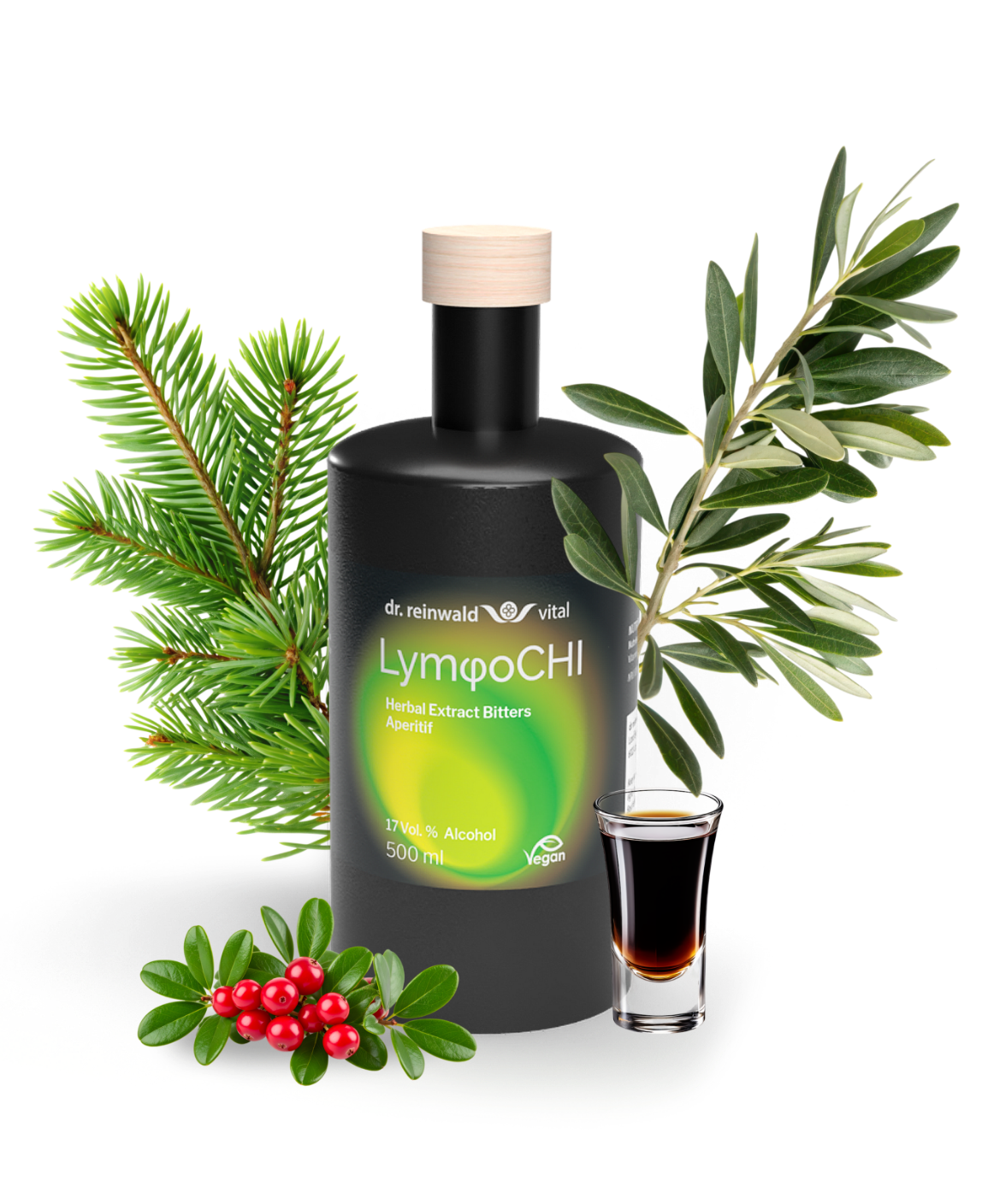
LympoCHI
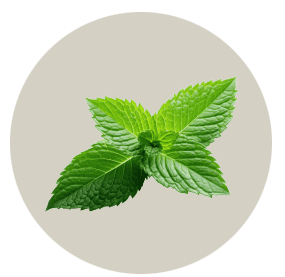
Peppermint
Peppermint has been known as a valued medicinal herb for thousands of years. Even in our modern world, which is often far removed from nature, many people at least know the fresh, spicy scent of this popular medicinal plant.
Peppermint tea is particularly well known in the home medicine cabinet. Thanks to its antiseptic properties, cold peppermint tea can be used excellently as a mouthwash to prevent inflammation or treat existing inflammation. The use of peppermint leaves is widespread for digestive complaints, bloating, and gastritis. For a heavy stomach after eating, indigestion, or nausea, the neutralizing effects of peppermint can help bring everything back into balance.
Peppermint also supports the production of bile juices and ensures smooth drainage in cases of cramp-like complaints of the gallbladder and bile ducts.
In the stomach, peppermint stimulates gastric juice secretion, accelerates gastric emptying, and stimulates appetite. This effect is especially valued in children or people recovering from illness. In the intestines, peppermint tea has a carminative effect and can reliably relieve abdominal pain caused by bloating.
You can also find peppermint in these dr.reinwald products:
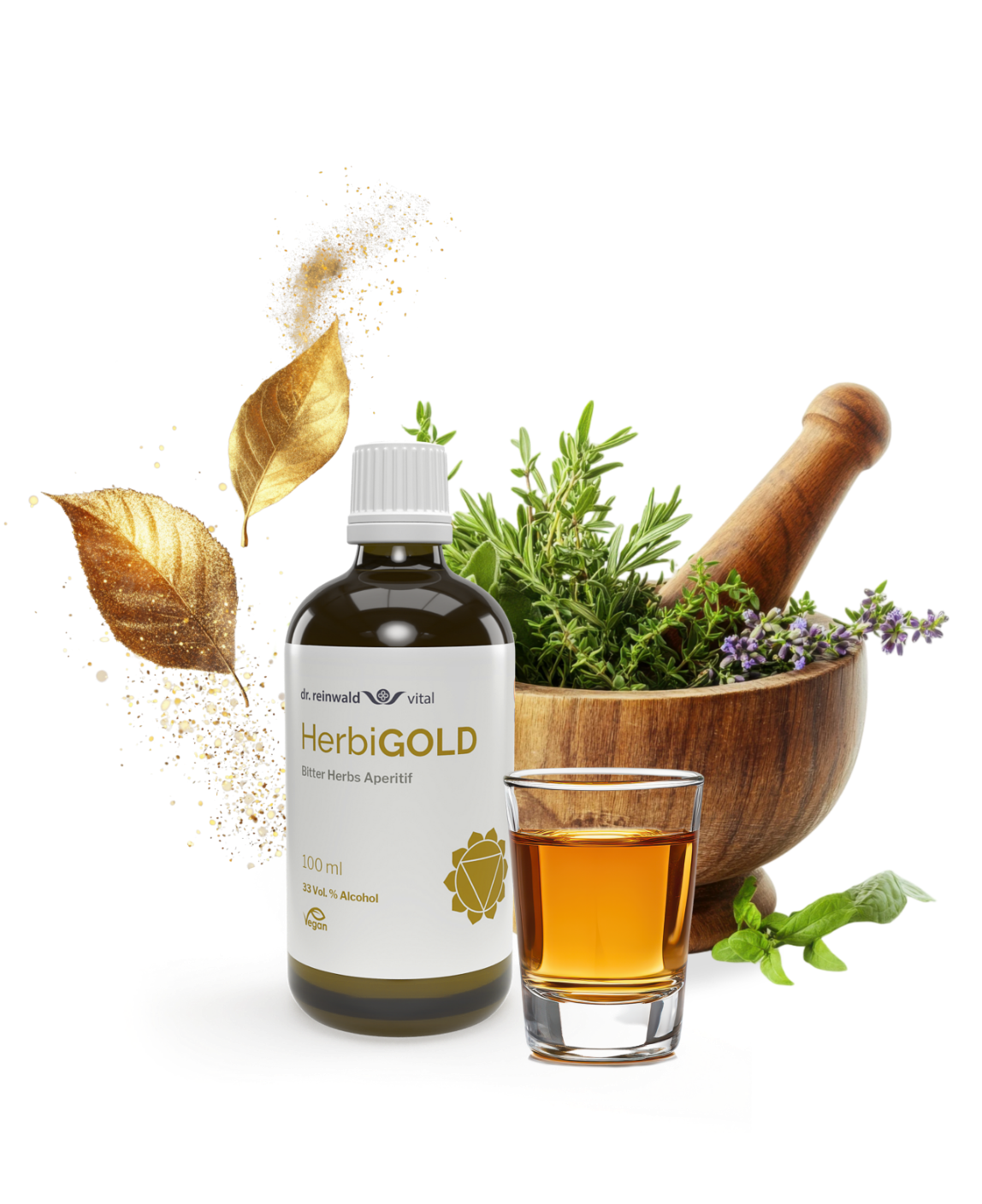
HepaCHI & HerbiGOLD
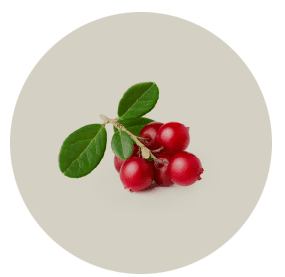
Lingonberries
The valuable ingredients of the lingonberry are contained in both the leaves and the berries. The antioxidant properties of lingonberry can help reduce oxidative stress reactions in the body. But that’s not all: the leaves and juice of this extraordinary berry are true miracle remedies for urinary tract inflammation. Their anti-adhesive properties make them an unbeatable ally in the fight against bacteria and in the prevention of infections in the urinary tract.
Thanks to its anti-inflammatory properties, lingonberry can provide supportive benefits for various inflammatory conditions in the body.
You can also find lingonberry leaves in this dr.reinwald product:
LympoCHI
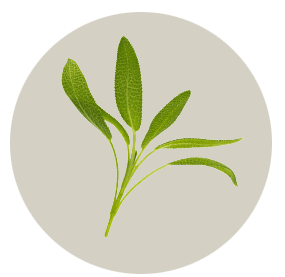
Sage
With around 900 different plants, sage is one of the most species-rich genera in the plant world. Yet only common sage, also known as garden, kitchen, or medicinal sage, finds its way into our home kitchens and herbal pharmacies. Its Latin name “Salvia officinalis” points to the medicinal effect of this herb known since antiquity—salvare means “to heal” for good reason, while salvus stands for “being healthy.”
Despite the neurotoxin thujone, which occurs in common sage and can cause hallucinations in high doses, sage is a versatile medicinal and culinary herb. Fortunately, thujone is only very sparingly soluble in water and therefore occurs only in traces, for example in sage tea.
Sage has many positive effects and is considered antibacterial, antispasmodic, analgesic, stomach-strengthening, anti-inflammatory, wound-healing, menstruation-regulating, and blood-purifying. It is therefore no wonder that sage is regarded as a good remedy for coughs, sweating, loss of appetite, and stomach and intestinal disorders.
You can also find sage in this dr.reinwald product:
HepaCHI

Fir Tips
The silver fir has been known as a medicinal plant for many centuries. Modern scientific studies have confirmed that the constituents of fir have antioxidant, antibacterial, and antiseptic properties. Resin, needles, shoot tips, branches, and bark of the fir are used for various medicinal purposes, as the constituents of these parts largely overlap.
The possible uses of fir as a remedy are diverse: needle oil, for example, can help with respiratory diseases such as coughs, asthma, and whooping cough. The oil obtained from the cones is often used to make soap because of its antibacterial effect and is also popular because of its scent. The oil from the shoot tips can be used internally for inflammation of the respiratory tract as well as externally for mild muscle pain and nerve pain. Fir resin acts as an expectorant, is frequently used for rheumatism, and has a soothing effect on colds when used as a bath additive.
You can also find fir tips in this dr.reinwald product:
LympoCHI
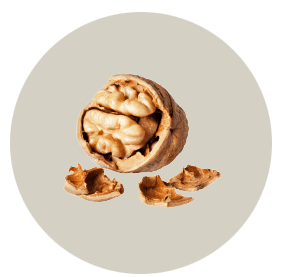
Walnut
The walnut is not only a popular delicacy in our latitudes, but also a medicinal plant that has been known since time immemorial! In folk medicine, preparations are made from its nuts and shells that are said not only to have anti-inflammatory and antibacterial effects, but also to strengthen the body and support it in self-cleansing. Wound ointments with walnut are not only effective, but also gentle on the skin. Naturopaths swear by the many possible uses of walnut—from prevention to the treatment of a wide variety of illnesses.
You can also find walnut shells in this dr.reinwald product:
ImmuCHI
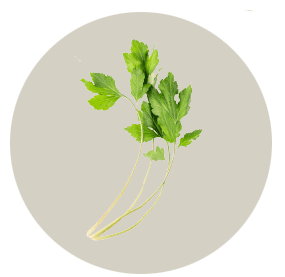
Wormwood Herb
Paracelsus already knew that wormwood can relieve bloating after eating, but unfortunately can also have an irritating effect on an empty stomach. This is due to the bitter substances, which stimulate appetite and get the digestive juices flowing. No wonder grazing livestock avoid wormwood! Paracelsus once said: “All herbs that cows avoid have great power!” Whether this power is healing or poisonous depends on the dosage—as is so often the case with medicinal plants.
Wormwood can also support liver problems: it stimulates the detoxification work of this important organ and ensures that secretion is not blocked, as can happen with hepatitis, for example.
You can also find wormwood herb in these dr.reinwald products:
ImmuCHI & HerbiGOLD
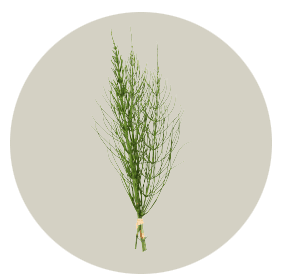
Horsetail
Horsetail belongs to the group of horsetails and is known both as a weed and as a medicinal plant. Under various names such as field horsetail, common horsetail, pewterwort, or scouring rush, the plant was used for decades to clean pewter. Names such as horse tail or sheep hay also refer to the frequent occurrence of field horsetail in meadows and fields. Sebastian Kneipp discovered the potential of field horsetail as a remedy, which is why it is now used to promote health. Studies confirm its positive effect on various complaints such as irritable bladder, bladder infections, rheumatism, osteoporosis, and water retention. In addition, field horsetail is also used successfully for many other illnesses. It can provide relief for various symptoms and complaints such as urinary problems (irritable bladder, bladder infections, kidney stones), water retention, connective tissue weakness, osteoporosis, rheumatism, poorly healing wounds, perineal rupture, and brittle nails.
You can also find horsetail in this dr.reinwald product:
RenaCHI