Harmony in the Body
How Hormones Influence Our Health
Hormones – these tiny messenger substances that do so much in our body. When you hear this term, do you immediately think of estrogen, testosterone, and the thyroid gland? But did you know that hormones can do much more? They are the conductors of our body; they regulate everything from A to Z. Without them, nothing works!
They control our development, our growth, and ensure that all biological processes run smoothly. They are the message carriers between our organs and cells. A harmonious hormone balance is therefore essential for our well-being – but unfortunately, for many people it gets out of balance. But don’t panic! In this article, we get to the bottom of the causes and give you practical tips on how to get your hormonal chaos back under control.
The Power of Hormones:
Their Role and Importance
Hormones are true master regulators in our body. As messenger substances, they ensure that everything runs smoothly and that the various processes in the organism work together harmoniously. They act like little conductors, making every cell do exactly what it is supposed to do.
Together, they form a complex network, also known as the “endocrine system,” which transports hormones through our body and directs them to their target locations. Without them, our organism would be like an orchestra without a timekeeper – chaotic and uncoordinated.
Where Are Hormones Produced?
Most hormones are produced by endocrine glands, which release their substances directly into the bloodstream or transfer them to neighboring cells. In this way, they reach the corresponding places in the body where they are intended to exert their effect. Well-known endocrine glands include:
- Pancreas
- Ovaries (gonads)
- Testes (gonads)
- Pituitary gland
- Adrenal glands
- Parathyroid glands
- Thyroid gland
- Pineal gland
What Does the Brain Have to Do with It?
In addition to glandular hormones, however, our body also contains tissue hormones, which are not produced in glands but in individual cells. These hormones have a local effect because they influence the surrounding cells. But organs can also produce hormones! For example, in addition to their main function of cleansing the blood of toxins, the kidneys can produce a hormone that stimulates the formation of blood cells in the bone marrow.
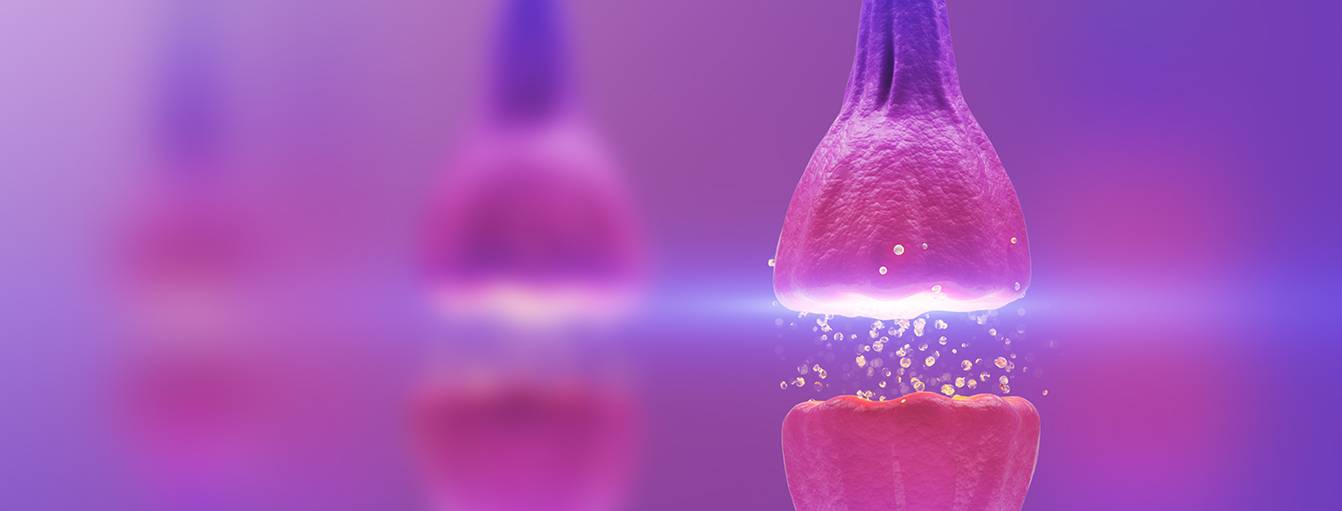
But that’s not all! The nervous system can also influence our hormone balance by communicating with the endocrine system via the thalamus – the gateway to our consciousness. For example, when we feel fear, heat, or cold, these signals are transmitted via our nervous system to the neurosecretory cells in the thalamus, causing hormones to be released via the pituitary gland in the brain. The thalamus is therefore the most important connection between the nervous and hormonal systems, which is particularly special because other areas of the body are separated by the blood-brain barrier in order to protect the brain from possible pathogens.
What Hormones Are There and What Do They Do?
The estimated number of hormones in the human body is probably in the four-digit range, although only about 150 are currently known and researched in detail. After all, these tiny messenger substances have only been the focus of medical research for a little over 100 years. The functions of hormones are extremely diverse and individual, which makes it difficult to describe them in general terms. Nevertheless, we would like to give you a brief overview of the most important hormones and show what effects they can have in our body.
Cortisol – the Stress Hormone
The hormone cortisol is produced in the adrenal cortex and is also often referred to as the stress hormone. Even if this synonym seems negative at first glance, the release of cortisol can certainly have advantages! When we face danger, need to complete important tasks quickly, or are in a competition, the hormone supports us so that our body can react quickly and effectively. However, it becomes problematic when we suffer from chronic stress! Because then a high cortisol level can harm our mental and physical health. General tension, high blood pressure, concentration problems, sleep problems, depression, anxiety, and bone loss are just some of the possible consequences.
Insulin – the Diabetes Hormone
Insulin is an important hormone in metabolism, produced in the beta cells of the pancreas, and acts like a key: it opens the cells in the body so they can absorb glucose from the blood and be supplied with energy. In diabetes, however, this insulin-key principle does not work properly, causing the cells to remain closed, blood sugar levels to rise, and health problems to occur. Through a ketogenic diet, using the essential eight amino acids, and practicing a healthy lifestyle, type 1 diabetics can benefit from more stable blood sugar levels, and type 2 diabetics can effectively counteract the condition! You can find many articles about this in our media library.
Estrogen – the Female Sex Hormone
Estrogens are produced in a woman’s ovaries and are largely responsible for the development of primary and secondary sexual characteristics from girl to woman. In addition to their role in reproduction, estrogens also have other important functions, such as regulating armpit and pubic hair, distributing fat in specific body regions such as the hips and buttocks, producing lactic acid in the vagina, and producing breast milk for nursing infants.
Melatonin – the Sleep Hormone
While the happiness hormone serotonin lifts the mood, melatonin ensures that we become tired. The production of this hormone, which is formed in the pineal gland, is strongly dependent on light. That is why melatonin levels rise especially in the evening and at night. As a result, we also get tired earlier in winter than in summer. But that is not all, because melatonin has other important functions: it plays a crucial role in strengthening our immune system and is known for its antioxidant effect and thus as an anti-aging agent. In our blog post “Forever Young – with the power of antioxidants to eternal youth?” we focus in particular on the possibilities of anti-aging using antioxidants. There you can also learn how our two products Acitve H®day & night can support you in this.
Oxytocin – the Cuddle Hormone
Oxytocin is released when we are close to other people or animals. During sex, large amounts of this so-called cuddle hormone are released. It helps us relax and feel happy. Oxytocin works closely with serotonin as well as dopamine and endorphins. The oxytocin level is particularly important for the parent-child bond, as it strengthens the bond between mother and child, stimulates milk production, and enables breastfeeding. Oxytocin also plays an important role before birth, as it initiates labor. No wonder oxytocin can also be translated as “quick birth.” Interestingly, this hormone can also be released through exercise.
Serotonin – the Happiness Hormone
The so-called “happiness hormone” serotonin functions both as a hormone and as a neurotransmitter in the brain and is known for promoting a good mood, restful sleep, and increased activity. It not only influences the psyche but also regulates body temperature and supports digestion. Interestingly, 95% of total serotonin is produced in the gut, while the rest is produced in the brain. Together with the neurotransmitter dopamine, serotonin counteracts depression, sadness, and anxiety by suppressing the part of the brain responsible for negative emotions. Since the sleep hormone melatonin is formed from serotonin, it plays a crucial role in our sleep-wake rhythm. In our media library, you will find a fascinating article (The Pineal Gland – the Shimmering Pacemaker of the Inner Clock) on this connection. Our products Active H day and Active H night are also the perfect support in this area!
Testosterone – the Male Sex Hormone
Testosterone is mainly produced in a man’s testes and promotes the growth of these organs as well as the epididymides. It is also essential for the development of the penis, seminal vesicles, prostate, and male urethra. In addition, testosterone also influences the growth of body hair and the voice. During puberty, the hormone triggers voice breaking and leads to a deeper voice. A high testosterone level can lead to a particularly pronounced sex drive (libido), as the hormone plays an important role in increasing sexual desire and regulating erections. Sperm production and thus male fertility are also influenced by testosterone.
Thyroxine & Triiodothyronine – the Thyroid Hormones
Thyroid hormones, which are produced and released in the thyroid gland, significantly influence processes such as our development, growth, and above all metabolism. In particular, the two hormones thyroxine and triiodothyronine are responsible for important metabolic processes such as the activity of muscles, nerves, heart, circulation, and digestive tract, energy consumption and body temperature, emotional well-being, sexuality, and physical and mental development (especially in children).
If the thyroid becomes overactive or underactive, this can lead to various symptoms. While an underactive thyroid often manifests as fatigue, weight gain, lack of drive, sensitivity to cold, constipation, or reduced performance, an overactive thyroid usually presents with nervousness, weight loss, feeling hot, and diarrhea.
Did you know?
Over-acidification of the body can severely impair hormone production.
This can lead to symptoms such as weight gain, digestive disorders, exhaustion, lack of drive, and other complaints.
What Can Disrupt Our Endocrine System?
Even small disruptions can throw our hormone balance out of sync without us noticing. Symptoms such as reduced performance, menstrual cycle disorders, hair loss, headaches, allergies, or depression are therefore often misinterpreted and not associated with hormonal disorders. However, if these are not recognized and effective countermeasures are not taken, they can trigger serious illnesses. For this reason, it is crucial to know and avoid the most important hormonal troublemakers – also known as endocrine disruptors.
Harmful Substances with Hormonal Effects
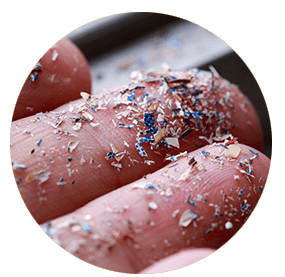
Unfortunately, our everyday lives today are full of endocrine disruptors: from the plastic packaging of our food to cosmetics and medicines. It is now almost impossible to avoid the substances that damage our hormone production and breakdown. Microplastics in particular have already been detected in all organs and even in the placenta! You can read in detail about the effects of microplastics on our health in our articles “Dangerous Microplastics – Our Life in Plastic and “Taking a Closer Look at Microplastics”. Although the EU has issued a gradual ban, the topic will continue to concern us for a long time, because microplastics are already present in our food chain, in water, and in the air, and they place a particular burden on our hormone balance.
But other substances have also been proven to disrupt our sensitive hormonal system. The damage is so serious that a direct connection with allergies, diabetes, obesity, premature puberty, increased tumor risk, etc. is now undisputed for these substances:
- Plastics such as bisphenol A (BPA)
- Plasticizers such as phthalates
- Pesticides
- Polychlorinated biphenyls (PCBs)
- Pharmaceuticals or medication residues
- Triclosan (e.g. in toothpastes, deodorants)
- Plastic bottles
- UV protection filters in cosmetics
- Heavy metals such as mercury, lead, amalgam
What can you do? Our tip!
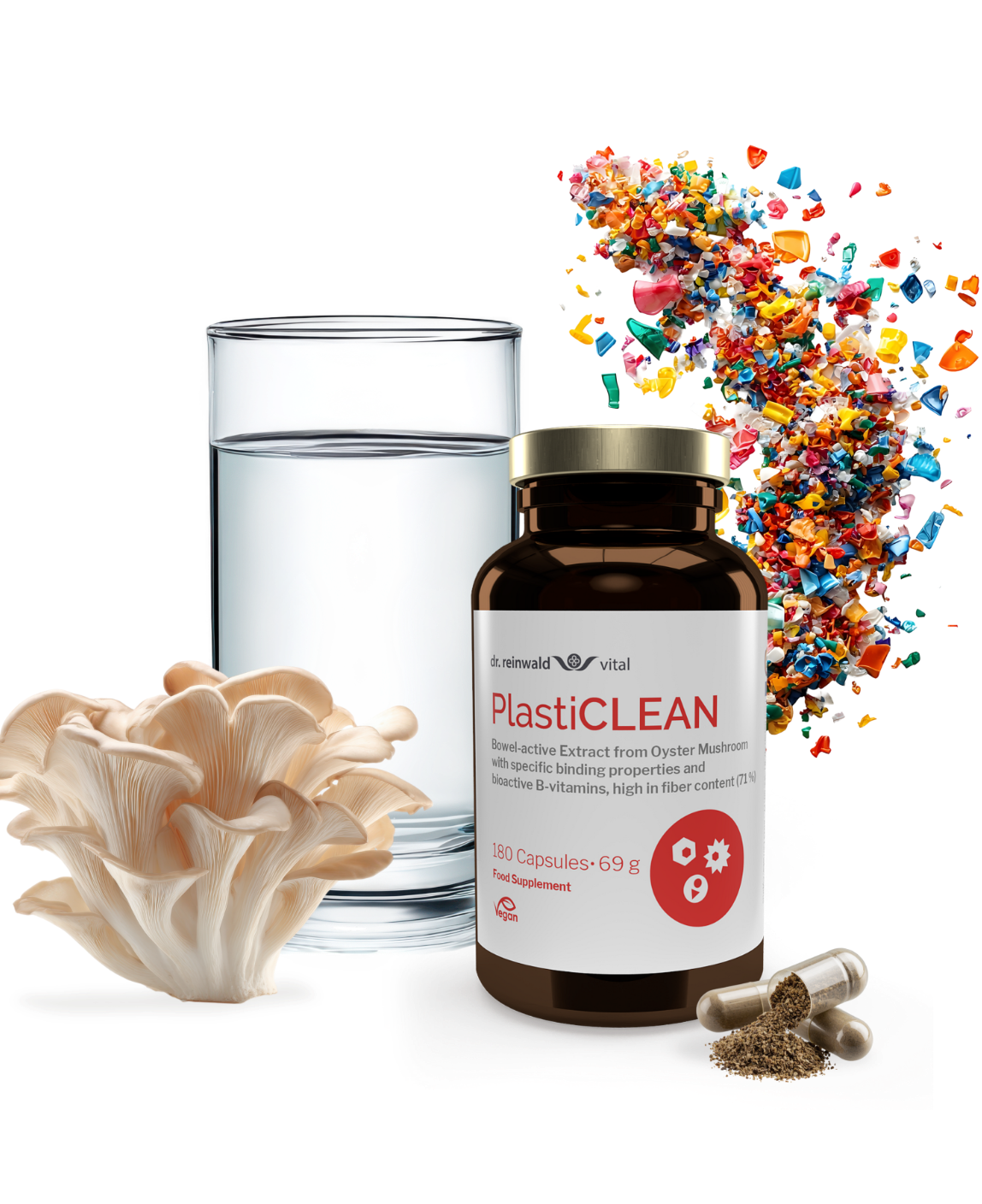
It is best to detoxify your intestines and your cells regularly! To bind, dissolve, and eliminate microplastics, we recommend our PlastiCLEAN®. With the chitosan extract from oyster mushrooms it contains, poorly soluble complexes can be bound and your body cleansed. The B vitamins it contains supply your gut, your immune system, and your nerves with important micronutrients.
Order PlastiCLEAN now
For detoxifying your cells, we also recommend our pectin fiber PektiCLEAN. This helps you cleanse your cells of unwanted substances such as heavy metals.
Order PektiCLEAN now

Harmful Environmental Toxins & Burdensome Nutrition
Our thyroid gland in particular reacts extremely sensitively to environmental toxins as well as the increasing radiation exposure from Wi-Fi or mobile communications (5G). The result: the number of thyroid patients – especially those affected by Hashimoto’s thyroiditis – is rising almost explosively. In connection with an increasing burden from medications – also via drinking water, which is often hormonally contaminated – as well as industrially processed and gluten-containing foods, this is not surprising, because these substances often lead to massive disturbances in the gut, an overloaded liver, and chronic inflammation. A vicious circle in which cause and effect can unfortunately often no longer be clearly separated (which you can also find examined in more detail in our blog article “Silent Inflammation, the Underestimated Danger in Our Body”.)
What can you do? Our tip!
A high-quality ketogenic diet with little gluten and regular relief for the gut and liver will definitely provide you with relief. Especially if you are already suffering from symptoms! In our videos “Gluten-Proline Celiac Disease” and “Getting Rid of Menopausal Symptoms Through a Ketogenic Diet” we discuss this topic in detail.
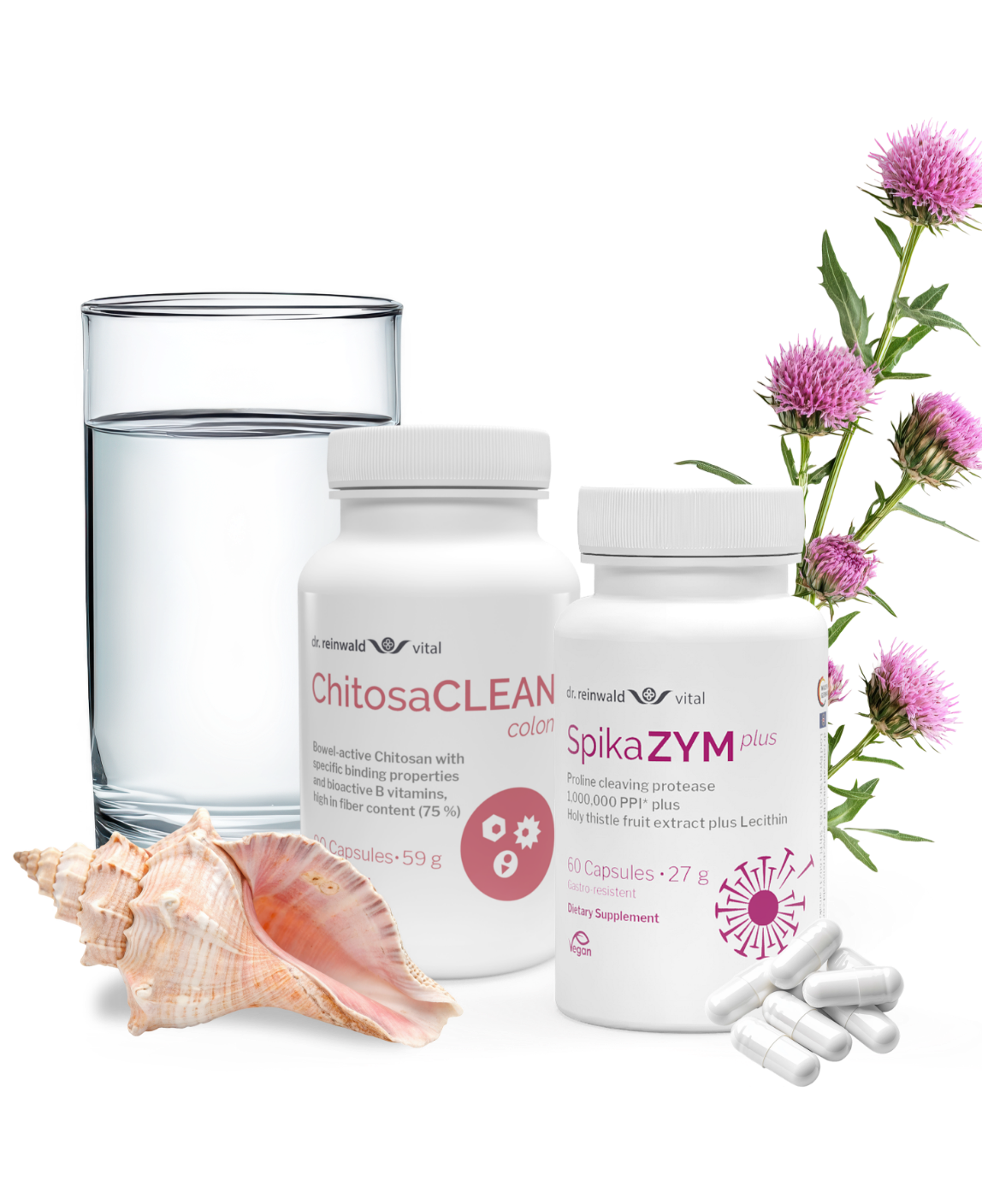
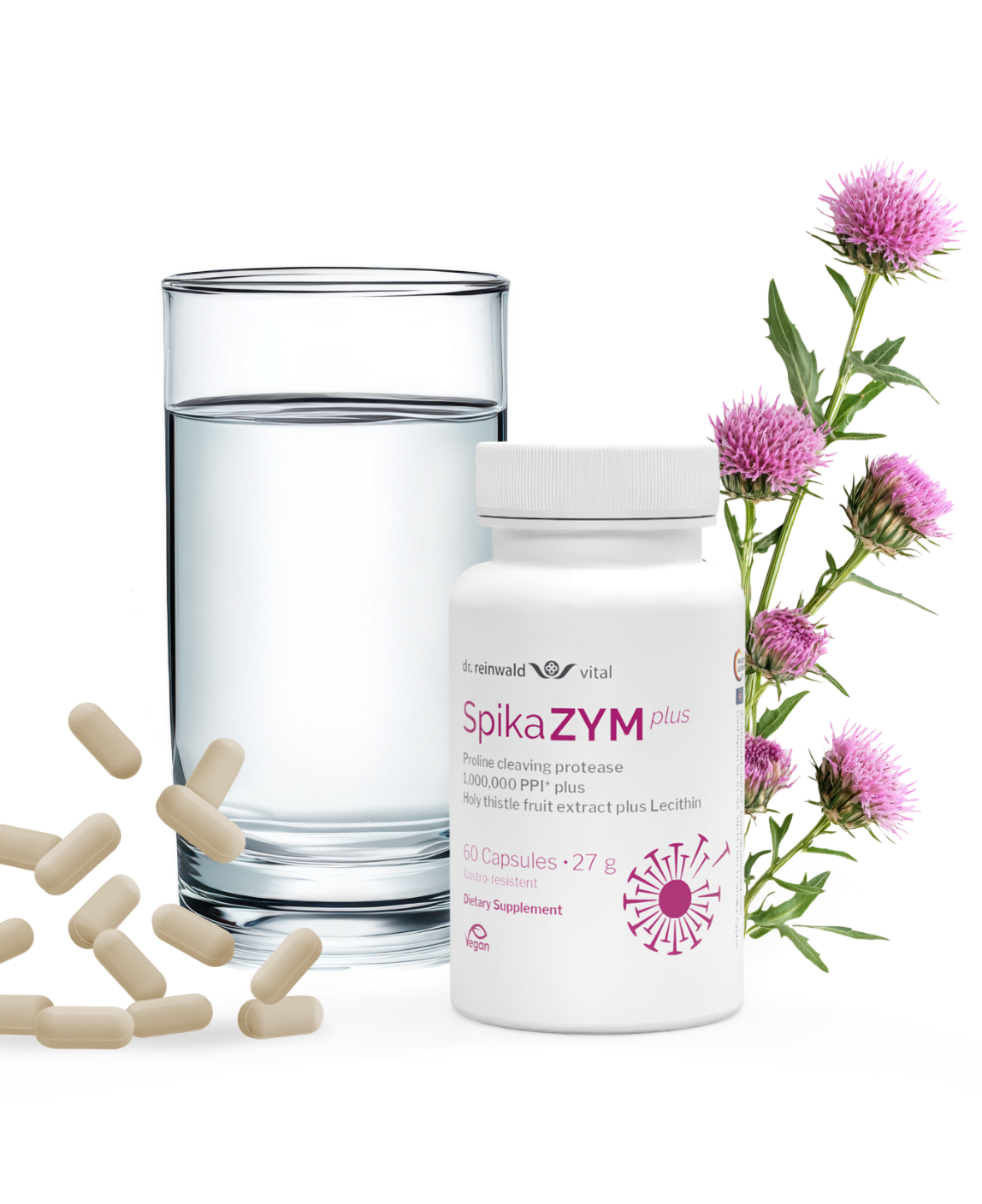
Even if you do not have gluten sensitivity or intolerance, proline-containing peptide structures are unfortunately very burdensome for our gastrointestinal tract and our liver. In addition to moderate consumption of gluten-containing foods, our ProZYM plus with high-dose milk thistle fruit extract, lecithin, and the natural enzyme prolyl oligopeptidase can support your digestion while also strengthening liver function.
Order SpikaZYM plus now.

Vitamin D Deficiency
Vitamin D, also known as the sunshine vitamin, strictly speaking functions as a neuroregulatory hormone that regulates important processes in our nervous system. A deficiency means that other hormones in the body can no longer transmit their signals effectively. People with low vitamin D levels therefore often suffer from mood swings, depression, and irritability. These effects occur especially in the winter months and in regions with little sunlight, since vitamin D is mainly formed through sunlight on the skin.
Since vitamin D has a strong influence on our immune system and is significantly involved in the development and combating of health problems, an adequate vitamin D level is of crucial importance. You can find more information on this in our article “Vitamin D – the Sunshine Vitamin for the Whole Year – there you will also receive numerous tips and background information.
What can you do? Our tip!
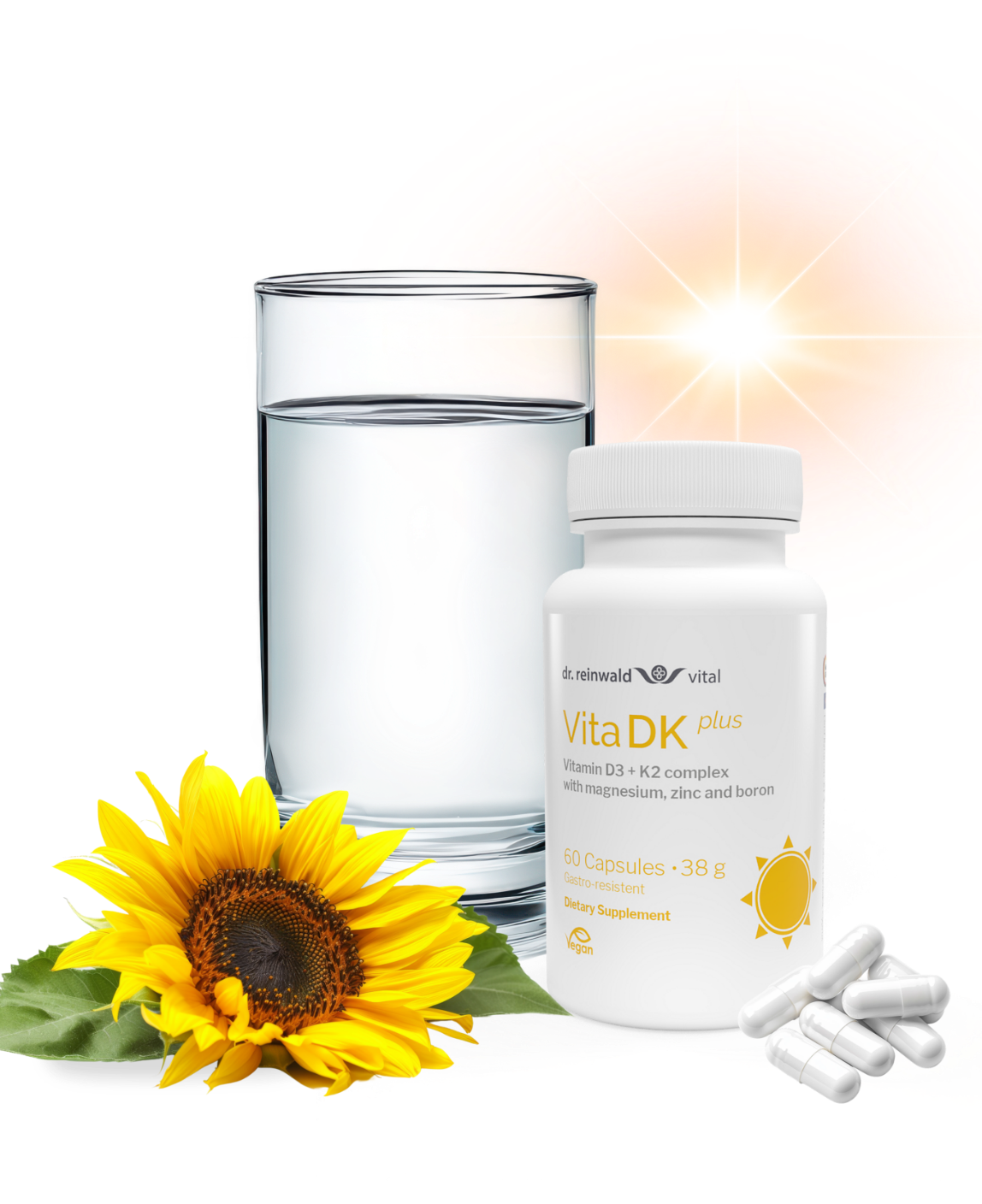
With our vegan sunshine power complex VitaDK plus, you can optimally support your vitamin D level. The high bioavailability and synergistic composition help to quickly replenish your body’s stores. The co-factors magnesium, zinc, and boron additionally support vitamins D3 and K2 for a strong immune system, healthy bones, and stable muscle function. In combination with plenty of fresh air and time in nature, in our view this is not only a sustainable but also a soothing way to take care of an adequate vitamin D level.
Order VitaDK plus now

Chronic Stress & Stimulating Foods
If you are under stress, your adrenal glands work at full speed by producing and releasing a large amount of stress hormones. During short periods of stress this is harmless, but if the stress persists, the adrenal glands can gradually suffer damage. The consequence: they can produce fewer and fewer hormones, which can lead to concentration problems, chronic fatigue, or serious illnesses. This condition can also be caused by excessive consumption of nicotine and coffee. The solution lies in healthy stress management with sufficient recovery phases, a ketogenic alkaline diet, a high-quality supply of micronutrients and amino acids, and appropriate physical exercise.
What can you do? Our tip!
In addition to conscious breaks, for example in nature, relaxation methods such as yoga and meditation, a high-quality intake of amino acids and micronutrients plays an important role. In combination with a balanced ketogenic diet, you can support your body especially during stressful phases. We also offer you first-class products for effective support: from our eight essential amino acids in MyAMINO® to PlastiCLEAN® with its high-quality B-vitamin complex to support your adrenal glands, through to our products such as Active H® with active hydrogen – with us, you will find many tools for targeted support of your entire organism! We are also happy to provide you with personal advice via chat, phone, or email!
Discover anti-stress products now