Discover the Power of Your Gut
How Your Microbiome Can Change Your Life
The Power of the Microbiome – Your Key to Holistic Health
Have you ever heard that your gut is your second brain? This idea may sound unusual at first, but there is a lot of truth behind it. Your gut—more precisely, the microbiome that lives within it—plays a central role in your holistic health. From digestion and your immune system to your mental state, the microbiome is a small but powerful helper that influences almost every process in your body. But what exactly is the microbiome, and how can you support it naturally? In this article, you will learn why a healthy gut is so important and how you can actively contribute to caring for your microbiome.
What Is the Microbiome?
The microbiome is a fascinating world made up of trillions of microorganisms that live in your gut. It consists of bacteria, viruses, fungi, and other tiny living organisms that work together in a complex community. These microorganisms are not just a passive part of your body; they perform vital functions that significantly influence your health.
A balanced microbiome is the key to a healthy gut and therefore to a healthy body. It supports digestion, helps with the absorption of nutrients, and protects you from harmful pathogens. Especially for people who focus on natural and alternative health solutions, caring for a balanced microbiome is essential. An imbalance can not only lead to digestive problems, but also weaken your immune system and affect your mental well-being.

The microbiome is like its own cosmos within us –
the more diverse its inhabitants,
the better our health thrives.
The Functions of the Microbiome in the Body
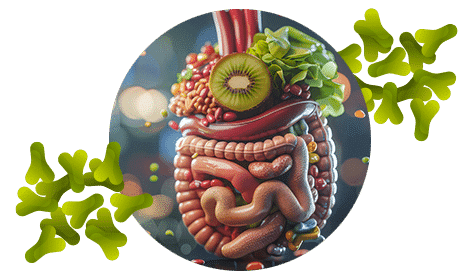
Digestion and the Microbiome: A Perfect Interaction for Your Health
Your microbiome plays a central role in digestion by not only helping to break down the food you eat into its basic building blocks, but also by producing enzymes and other biochemical substances that support the digestive process. The bacteria in the gut ferment indigestible fiber and produce short-chain fatty acids such as butyrate, acetate, and propionate, which are essential for gut health and have anti-inflammatory properties.
Without a healthy and diverse microbiome, digesting many foods—especially fiber—would hardly be possible. In addition, the microbiome supports the absorption of vitamins and minerals, such as vitamin K and B vitamins, and protects against pathogens by displacing harmful bacteria and strengthening the intestinal mucosa. A healthy microbiome therefore not only contributes to optimal nutrient absorption, but also promotes overall well-being and immune function.
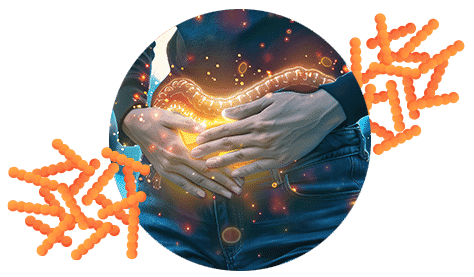
A Strong Immune System Thanks to the Microbiome: Your Inner Protective Barrier
Did you know that a large part of your immune system is located in your gut? In fact, around 70–80% of immune cells are found in your gut, making it a central player in your immune defense. Your microbiome plays a crucial role in training and strengthening your immune system. It helps your body recognize and defend against harmful invaders such as pathogens. A healthy microbiome promotes the production of antimicrobial substances that serve as the first line of defense against harmful bacteria, viruses, and fungi. In addition, the microbiome supports the development and maturation of immune cells, especially T cells, which play a key role in the adaptive immune response. Studies, such as the one published in Nature, show that a healthy and diverse microbiome positively influences the immune system by regulating inflammatory processes in the body and maintaining immune homeostasis. A disrupted microbiome, also known as dysbiosis, can, on the other hand, weaken the immune system, which can lead to chronic inflammation and an increased risk of autoimmune diseases. A well-cared-for microbiome is therefore the key to a robust immune system and thus to your long-term well-being.
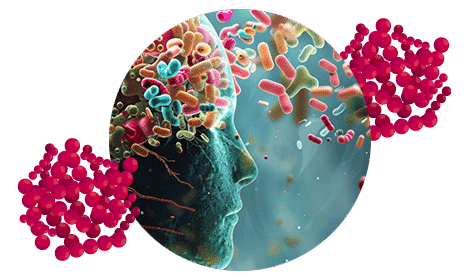
Gut-Brain Axis: The Invisible Connection Between Gut and Brain
The influence of the microbiome does not end in the gut. Through the so-called gut-brain axis, your gut is in constant contact with your brain. This complex communication pathway consists of nerve pathways, chemical signals, and hormonal connections that enable bidirectional communication. A balanced microbiome can promote the production of neurotransmitters such as serotonin, one of the most important messenger substances for your mood and well-being. In fact, around 90% of the body’s own serotonin is produced in the gut, making the gut a central player in your mental health.
But the microbiome has even more influence on your nervous system. It also produces other neurotransmitters and short-chain fatty acids that can reduce inflammation in the brain and stabilize the blood-brain barrier. An imbalance in the microbiome, known as dysbiosis, can, on the other hand, have negative effects on your mental health and lead to problems such as anxiety, depression, or even neurodegenerative diseases.
Microbiome: Your Partner for Metabolism, Hormones, and More
The microbiome influences far more than just your digestion and immune system. It plays a central role in many other important bodily functions, including metabolism and hormone production. A healthy and diverse microbiome helps regulate metabolism by optimizing the breakdown of nutrients and making energy production more efficient. It also produces enzymes that are necessary for converting food into usable energy and can even influence the utilization of fats and carbohydrates.
In addition, the microbiome has a significant influence on your hormonal balance. Certain gut bacteria are involved in the synthesis and regulation of hormones such as insulin, the hormone that controls blood sugar levels. An imbalance in the microbiome can lead to insulin resistance and associated metabolic disorders such as type 2 diabetes.
Another fascinating example is the microbiome’s involvement in the production of thyroid hormones, which regulate the entire metabolism. The microbiome is also involved in converting thyroid hormones into their active form, which in turn influences energy production and fat metabolism.
A balanced microbiome also promotes the production of short-chain fatty acids, which reduce inflammation in the body and strengthen the intestinal barrier, which in turn has a positive influence on overall well-being and energy levels. In this way, the microbiome plays a major role in helping you feel healthy, energized, and balanced.

The microbiome is the key to youthful vitality,
radiant skin, and inner balance –
an invisible garden,
that lets us blossom from within!
The Influence of the Microbiome on Lifespan, Skin Appearance, Hair, and Mental Well-Being
A healthy microbiome can work true wonders when it comes to aging, your skin, your hair, and your mental well-being.

Lifespan – Discover the Secret of Fit Centenarians
As we age, the microbiome also changes, with the diversity and number of beneficial bacteria often decreasing. But a healthy lifestyle that supports the microbiome can help positively influence the aging process and maintain well-being in later life. According to Prof. Dr. Michaela Axt-Gadermann, Professor of Integrative Health Promotion at Coburg University of Applied Sciences and author of the bestseller “Schlank mit Darm”, there is evidence that people with a healthy microbiome tend to live longer. Studies on so-called “super-agers”—people who reach an advanced age in good health and vitality—show that they often have a particularly diverse and stable microbiome.
Such a diverse microbiome has anti-inflammatory properties that can reduce the risk of age-related diseases such as cardiovascular disease, diabetes, and dementia. In addition, a healthy microbiome supports the preservation of cognitive functions and protects the brain from neurodegenerative processes that frequently occur with age. A stable microbiome also helps maintain a strong intestinal barrier, which is important for keeping harmful bacteria and toxins at bay that are associated with chronic inflammation and age-related diseases.
Interestingly, research shows that certain bacterial strains found in the healthy microbiome of centenarians may play a key role in promoting longevity. These bacteria support not only immune function, but also the body’s repair mechanisms, which are important for cell renewal and protection against DNA damage.
Another fascinating aspect is the role of the microbiome in maintaining a healthy weight and good metabolic health, both of which are closely linked to longevity. By supporting metabolism and regulating inflammation, a balanced microbiome can help the body remain capable and recover more quickly from illness even in old age.
A healthy gut flora therefore not only contributes to better well-being, but is also an essential factor for increased longevity and an active, healthy life at an advanced age.

Skin Appearance and Hair: Beauty Begins in the Gut
The health of your skin and hair actually begins in the gut. A balanced microbiome supports a healthy skin barrier, which serves as a protective shield against harmful environmental influences and pathogens. A well-functioning microbiome can help alleviate skin problems such as acne, rosacea, or eczema by reducing inflammatory processes in the body and regulating the production of sebum, which can clog pores. In addition, the microbiome promotes the production of ceramides, lipids that are essential for the skin’s moisture barrier and thus counteract dryness and premature skin aging.
The microbiome also plays an important role in strong, healthy hair, as it supports the nutrient supply to the hair follicles. A balanced microbiome improves the absorption of vitamins and minerals such as biotin, zinc, and iron, which are crucial for hair growth and hair health. In addition, a healthy microbiome can improve scalp health by suppressing the growth of harmful microorganisms that can cause dandruff or inflammation. Thus, a stable microbiome contributes both to a radiant complexion and to full, shiny hair.

Mental Well-Being: The Microbiome as the Key to Mental Health
A balanced microbiome is crucial for a stable mind and emotional well-being. The microbiome not only produces and regulates neurotransmitters such as serotonin and dopamine, which are of great importance for your mood and well-being, but also influences the body’s stress axis, known as the hypothalamic-pituitary-adrenal axis (HPA axis). A healthy microbiome can modulate the activity of this axis, which means it can help you cope better with stress and dampen the body’s stress response.
A disrupted microbiome, also known as dysbiosis, can, on the other hand, lead to an imbalance of messenger substances in the brain and increase susceptibility to anxiety, depressive moods, and even neuropsychiatric disorders. Recent research has also shown a connection between microbiome dysbiosis and neurodegenerative diseases such as Alzheimer’s and Parkinson’s. The study mentioned above (https://www.nature.com/articles/s41586-021-03832-5) underscores the close connection between gut health and mental well-being by showing that a healthy microbiome has anti-inflammatory effects and strengthens the barrier function of the intestinal mucosa, which in turn protects the brain from harmful influences.
In addition, there is evidence that the microbiome supports the function of the blood-brain barrier—an important protective barrier of the brain—through the production of short-chain fatty acids and other metabolites. A healthy microbiome therefore contributes not only to physical health, but also to mental health by helping to maintain the balance of neurotransmitters, reduce stress, and protect the brain.
Probiotics, Prebiotics, and Postbiotics
Your Allies for a Strong Microbiome
When it comes to caring for your microbiome, probiotics, prebiotics, and postbiotics play a central role. But what exactly do these terms mean, and why are they so crucial for your health?
Probiotics: Living Helpers for Your Gut
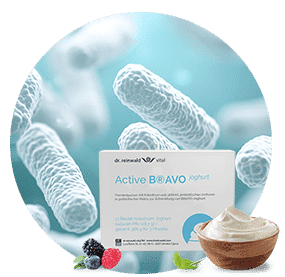
Probiotics are living microorganisms, usually bacteria or yeasts, that are supplied to your gut in order to positively influence the balance of the microbiome. These beneficial microbes work hard to maintain a healthy gut flora by displacing harmful bacteria, supporting digestion, and strengthening the immune system. Probiotics colonize the gut, compete with harmful bacteria for nutrients and space, and thus support the maintenance of a healthy gut flora. They are especially valuable for supporting the microbiome during stressful times or with an unbalanced diet, and help promote the natural balance in the gut.
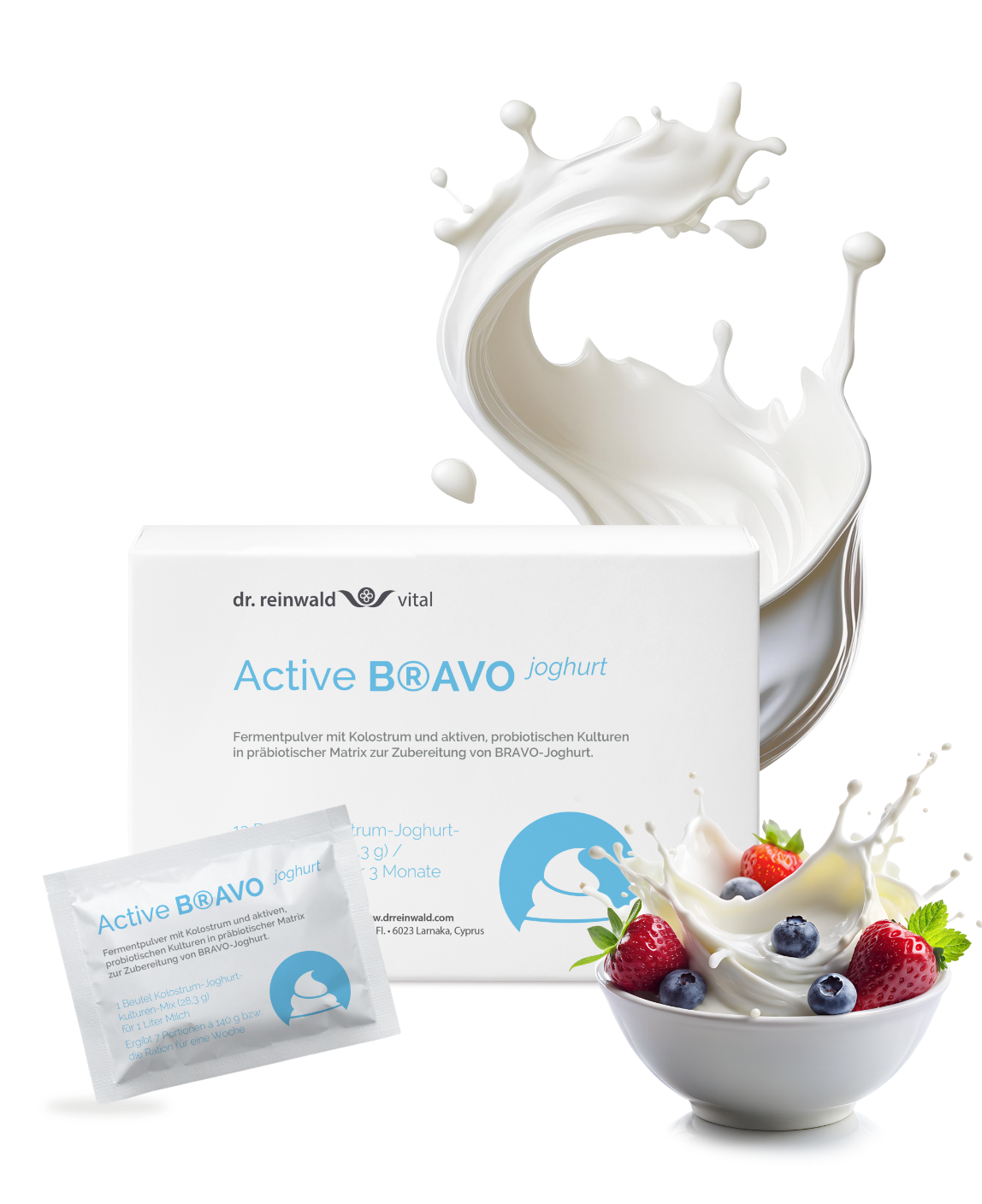
Our fermentation powder ActiveBRAVO Yogurt is an excellent source of high-quality probiotics, especially the strains Lactobacillus and Bifidobacterium, which have proven particularly effective in promoting gut health in numerous studies. These live cultures not only help restore balance in the microbiome, but also support digestion, improve nutrient absorption, and strengthen the immune system. ActiveBRAVO Yogurt thus acts as a game changer for your digestion by supporting your body’s natural defenses and promoting a healthy, flourishing microbiome.
Prebiotics: The Nutrient for Your Microbiome
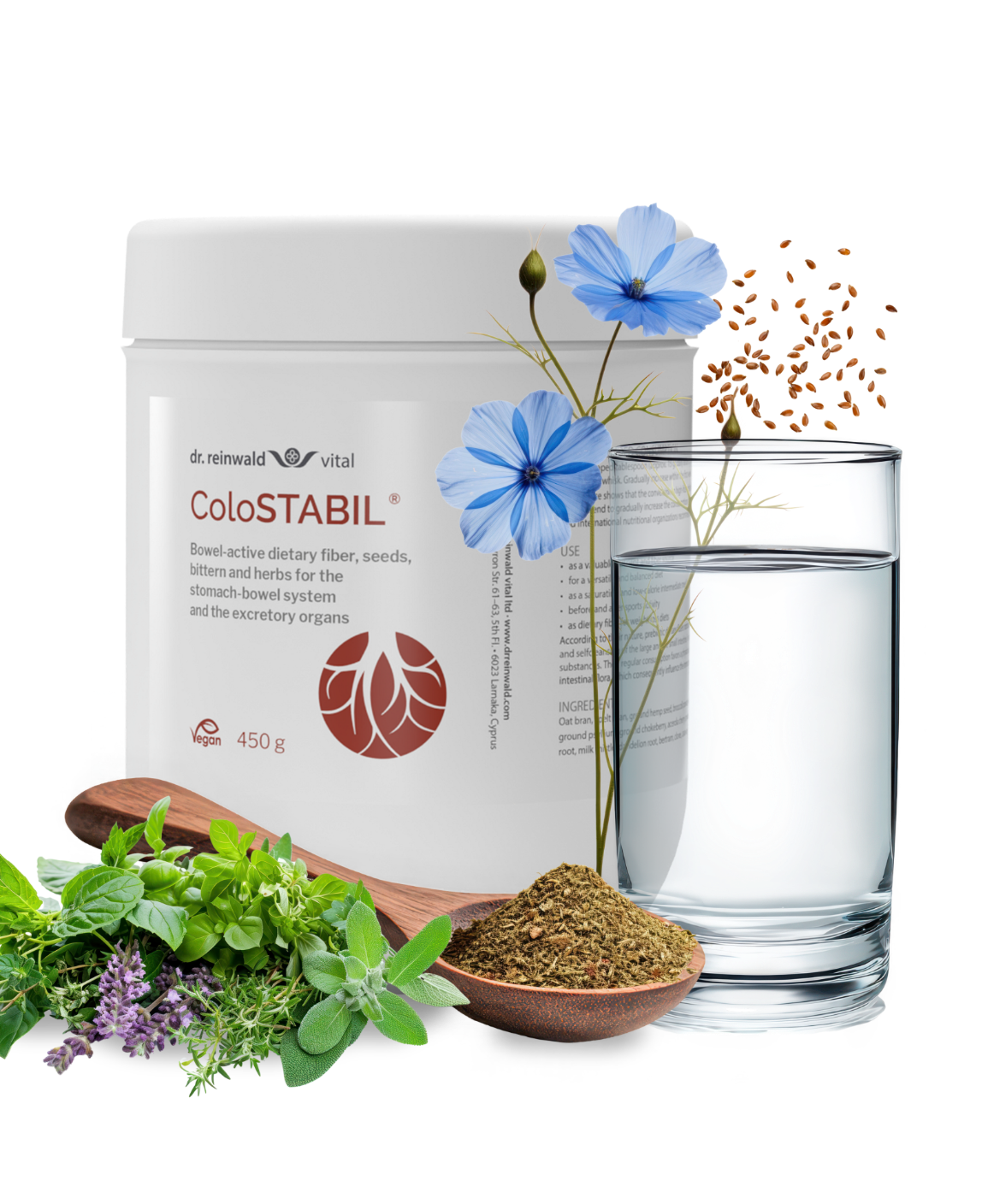
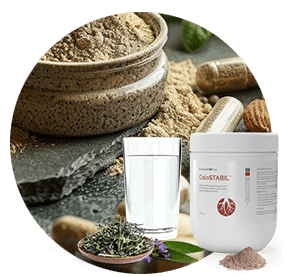
Prebiotics, on the other hand, are non-living, indigestible fibers that serve as “food” for probiotics. They promote the growth and activity of these good bacteria in the gut. Prebiotics are found in many plant-based foods such as chicory, garlic, onions, and bananas. These fibers reach the large intestine undigested, where they are fermented by the bacteria living there. This process produces short-chain fatty acids, which not only promote gut health but also have anti-inflammatory effects and strengthen the intestinal barrier. Our fiber-containing seed and herb blend ColoSTABIL® is an excellent prebiotic that, thanks to its natural ingredients, promotes the growth of beneficial bacteria such as bifidobacteria and lactobacilli. These bacteria are crucial for the production of essential nutrients that keep your gut flora in balance and thus actively contribute to gut health. Regular intake of ColoSTABIL® can help improve digestion, reduce bloating, and strengthen the immune system – for an all-around good gut feeling.
Postbiotics: The Power of Microbial Metabolic Products
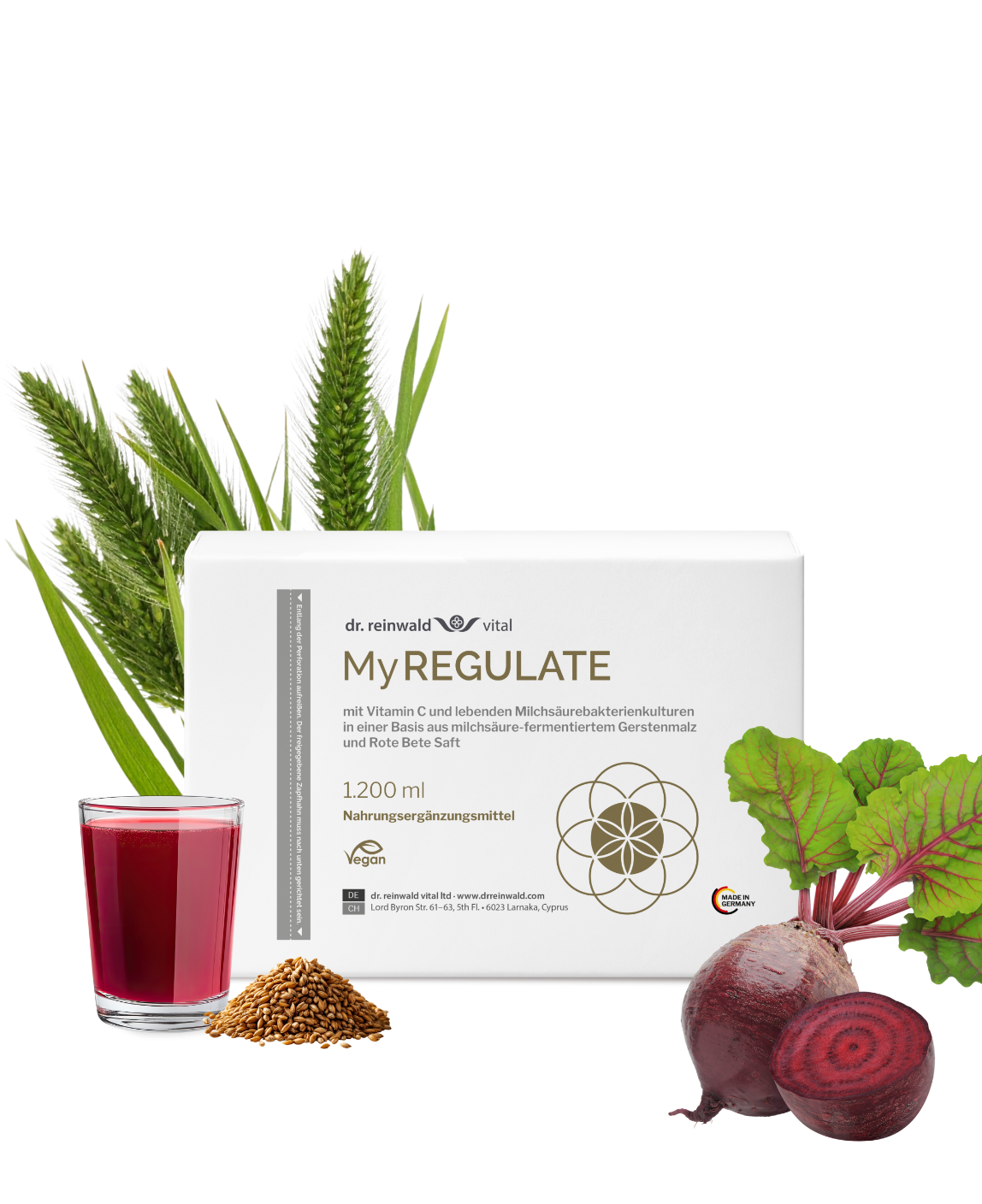
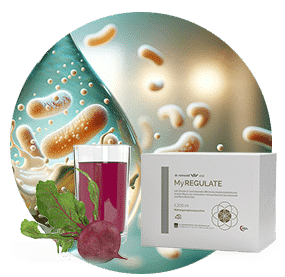
Postbiotics are the valuable metabolic products of probiotic bacteria that act in the gut. These substances, which include short-chain fatty acids, enzymes, and antimicrobial peptides—the latter of which you can also find in our ActiveBRAVO yogurt—play a crucial role in maintaining a healthy intestinal environment. Postbiotics support the regeneration of the intestinal mucosa, promote the growth of beneficial bacteria, and have anti-inflammatory properties. They can also strengthen immune function and reduce the risk of chronic diseases by reinforcing the intestinal barrier and preventing harmful microorganisms and toxins from entering the bloodstream. Our ferment concentrate MyREGULATE is a specially developed product that is rich in postbiotics and helps maintain the natural balance of your microbiome. MyREGULATE supports not only digestion but also the immune system by strengthening the intestinal barrier and thus preventing harmful substances from entering. In addition, the postbiotics it contains promote the production of beneficial bacteria that keep the gut healthy and contribute to the body’s overall detoxification. With MyREGULATE, you benefit from the concentrated power of postbiotic metabolic products that keep your microbiome in balance and sustainably support your well-being.
What Harms the Microbiome – Things You Should Avoid
Your microbiome is a sensitive ecosystem that can be disrupted by various external influences. An imbalance in the microbiome can have far-reaching negative effects on your health. Here are some factors that can harm your microbiome and that you should avoid as much as possible:
Unhealthy Diet: The Enemy of Your Microbiome
An unhealthy diet that is rich in sugar and highly processed foods can promote the growth of unfavorable bacteria in the gut. These bacteria produce harmful substances that encourage inflammation in the gut and can weaken the intestinal barrier.
Sugar-rich foods promote the growth of pathogenic microorganisms such as Candida, while processed foods are often low in fiber but high in additives that can disrupt the balance of the microbiome. Foods containing saturated fatty acids, artificial sweeteners, and chemical additives are particularly problematic, as they can not only reduce the diversity of the microbiome but also displace beneficial bacteria.
A balanced, fiber-rich diet, on the other hand, is beneficial for a healthy microbiome. Fiber serves as prebiotics that support the growth of good bacteria in the gut and promote the production of short-chain fatty acids, which have anti-inflammatory effects and strengthen the intestinal barrier.
Ketogenic Diet as an Alternative
A ketogenic diet, which is rich in healthy fats and low in carbohydrates, represents an interesting alternative for positively influencing the microbiome. With this form of nutrition, the body is put into a state of ketosis, in which it uses fat instead of carbohydrates for energy production.
Studies have shown that a ketogenic diet can change the composition of the microbiome by promoting the growth of bacteria that metabolize fatty acids while reducing the population of bacteria that ferment sugar.
Another advantage of the ketogenic diet is the reduction of sugar and processed foods, which, as already mentioned, can damage the microbiome. By focusing on natural, unprocessed foods, healthy fats such as butter and olive oil, and a moderate intake of protein-rich foods, the ketogenic diet can help reduce inflammation in the body and stabilize the microbiome. In addition, the increased consumption of healthy fats and certain vegetables rich in fiber and antioxidants promotes the growth of beneficial bacteria and supports a healthy gut flora.
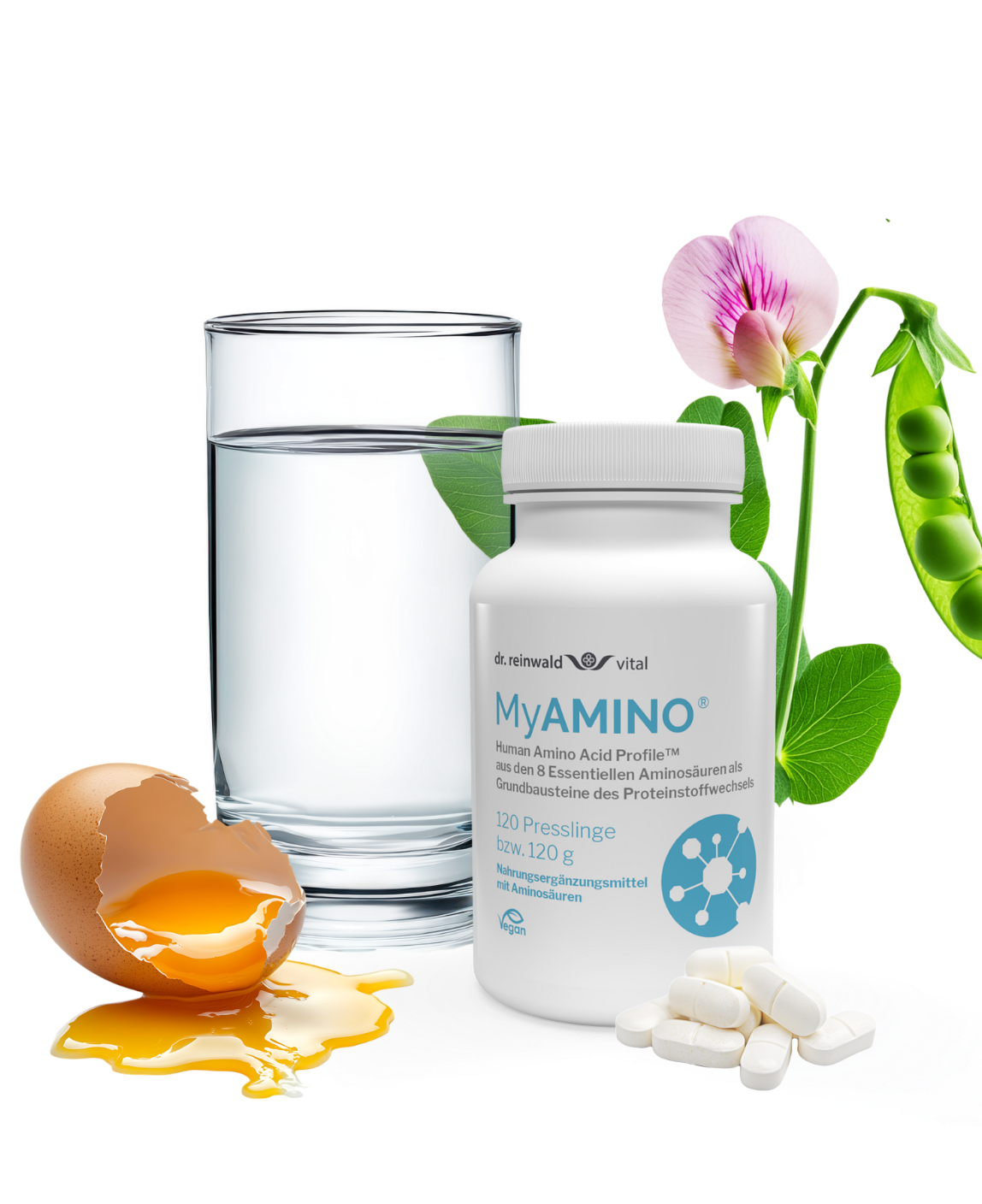
However, with a ketogenic diet, it is important to pay attention to the quality of the fats and to combine it with sufficient fiber-rich vegetables as well as the eight essential amino acids, such as those found in MyAMINO®, in order to ensure the long-term health of the microbiome. A balanced ketogenic diet can therefore not only help keep the microbiome in balance, but also increase overall well-being and energy levels.
Excessive Consumption of Alcohol and Caffeine
Both alcohol and excessive caffeine consumption can disrupt the balance of the microbiome.
Alcohol can change the composition of gut bacteria and inhibit the production of beneficial bacteria. Caffeine in large amounts can alter the pH value in the gut and promote the growth of certain bacteria that disrupt the balance of the microbiome.
Chronic Stress
Long-term stress can negatively affect the microbiome by changing the composition of the bacterial community and promoting the growth of harmful bacteria. Stress increases the production of cortisol, a stress hormone that can weaken the intestinal barrier and increase susceptibility to inflammation. In addition, stress can slow digestion, which can lead to an accumulation of harmful substances in the gut. Relaxation techniques such as meditation or yoga can help reduce stress and protect the microbiome.
Lack of Exercise
Regular physical activity not only promotes overall health, but also has a positive effect on the microbiome. Lack of exercise can lead to reduced diversity of gut bacteria, which is associated with an increased risk of metabolic diseases and inflammation. Exercise promotes blood flow to the gut and supports the elimination of toxins, which contributes to maintaining a healthy microbiome.
Lack of Sleep
Poor or insufficient sleep can negatively affect the microbiome. Studies show that lack of sleep can reduce the diversity of gut bacteria and disrupt the balance, which can lead to increased susceptibility to inflammation and metabolic disorders. A healthy sleep rhythm is therefore essential for supporting a balanced microbiome.
Uncontrolled Medication Use
Taking certain medications can not only kill harmful bacteria, but also greatly reduce the beneficial bacteria in the gut. This applies in particular to antibiotics, but other medications such as nonsteroidal anti-inflammatory drugs (NSAIDs), proton pump inhibitors, and oral contraceptives can also negatively affect the microbiome.
Excessive Hygiene
Our gut microbiome continuously needs new bacteria from the environment in order to remain healthy and balanced. We can absorb these important microorganisms, for example, through social contact, the air, or contact with nature. Scientific studies have shown that both the skin and gut microbiome can regenerate significantly better in a diverse environment, such as a forest, than indoors or on a well-maintained but species-poor lawn.
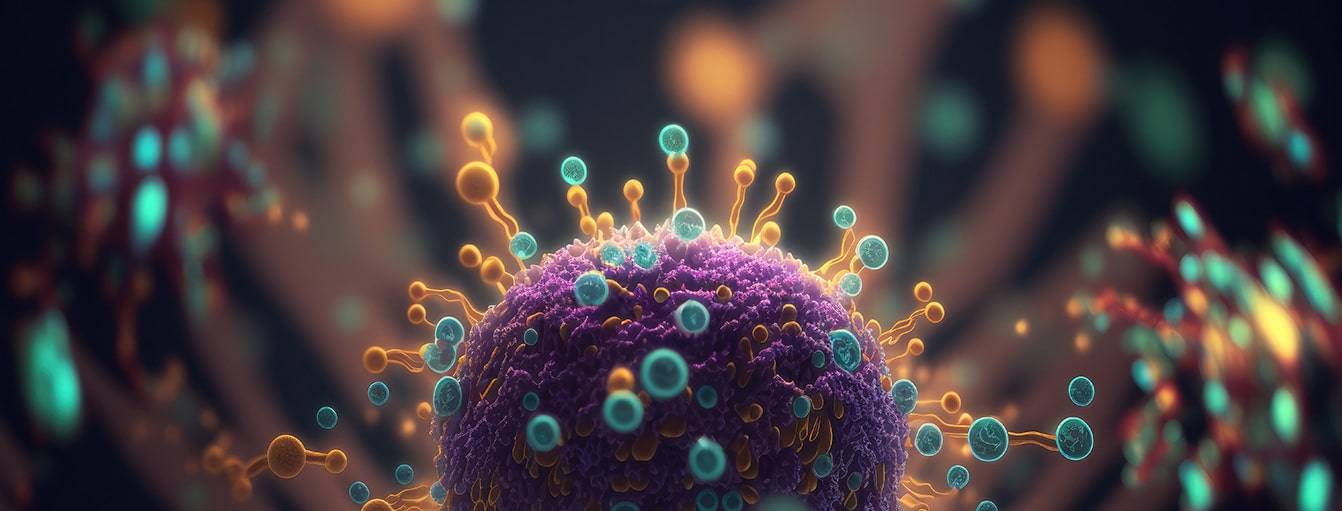
Your microbiome is a delicate web of life within you,
that thrives through mindful care and conscious choices.
Practical Tips for Caring for Your Microbiome
Your microbiome is a sensitive yet robust system that can be cared for through simple but targeted measures. The right foods, nutrients, and a healthy lifestyle play a crucial role. With the following tips, you can strengthen your microbiome and contribute to your overall well-being:
Foods and Eating Habits:
- Integrate fermented foods: Sauerkraut, yogurt, kefir, and other fermented foods such as ActiveBRAVO yogurt or MyREGULATE are rich in natural probiotics that support your microbiome.
- Focus on a fiber-rich diet: Fiber, such as that found in ColoSTABIL®, serves as prebiotics and feeds the beneficial gut bacteria.
- Avoid sugar, (artificial) sweeteners, and highly processed foods: These can disrupt the balance of your microbiome and promote the growth of harmful bacteria.
Lifestyle:
- Exercise regularly: Physical activity promotes blood circulation and supports the health of your microbiome.
- Make sure you get enough sleep: A healthy sleep rhythm supports a balanced microbiome.
- Reduce stress: Stress can throw the microbiome out of balance. Relaxation techniques such as meditation or yoga can help reduce stress.
- Avoid unnecessary medications: Antibiotics in particular can severely impair your microbiome, as they kill both harmful and beneficial bacteria.
- Drink enough water: Hydration is important for supporting digestion and flushing toxins from the body, which also benefits your microbiome.
These measures are not only easy to implement, but also have a profound positive influence on the health of your microbiome. A balanced diet and a healthy lifestyle are the key to maintaining a diverse and healthy microbiome, as studies also confirm, including research published in the renowned journal “Nature” (https://www.nature.com/articles/s42255-021-00348-0).
More Health, More Energy: Take Your Gut Health Into Your Own Hands
Your gut and the microbiome living within it are the key to your holistic health. A balanced microbiome not only supports your digestion, but also strengthens your immune system, promotes healthy skin and strong hair, and contributes significantly to your mental well-being. With the right prebiotics, probiotics, and postbiotics, you can actively contribute to caring for your microbiome and promote your health naturally.
Try our high-quality products ActiveBRAVO Yogurt, ColoSTABIL, and MyREGULATE to specifically support your gut health and sustainably increase your well-being. After all, a healthy gut is the first step toward a healthy body and mind. Take the first step for your gut health today – your body will thank you!