Energized instead of powerless!
Tips for better performance in sports
Our body is a true source of energy – whether we are lazing around or being physically active. But how do we turn food into fuel for our activities? And what happens inside when we exercise? Why do we get out of breath and suddenly feel heavy legs when we exert ourselves physically? Is it due to lactate, i.e. lactic acid, or do other factors play a role? In this blog post, we will get to the bottom of these questions and shed light on how our body works and responds to exertion. Let’s dive together into the fascinating world of energy production and performance enhancement!
Food as the engine of life:
The power behind our energy
When you start eating, your body immediately begins converting the food you consume into energy. This energy is needed to maintain your bodily functions and support you during physical activities such as sports. During digestion, carbohydrates are broken down into glucose, proteins into amino acids, and fats into fatty acids. These components are then converted into ATP, which serves as a universal energy carrier.
Depending on the type of sport and the intensity of the activity, your body uses two different energy sources, which it draws on according to need and efficiency in order to provide you with the energy required: energy production without oxygen (anaerobic) and energy production with oxygen (aerobic).

ATP: The energy source of our cells
Adenosine triphosphate, also known as ATP, is a chemical compound that is present and produced in all cells of living organisms. It serves as an energy source for various biological processes such as movement, vital functions (such as breathing and heartbeat), cognitive processes, and molecular processes such as the transport of substances.
“A healthy diet fills your body with energy and nutrients. Imagine your cells smiling at you and saying: Thank you!” Karen Salmansohn
Energy metabolism:
Anaerobic vs. aerobic – what is the difference?
To develop an understanding of what your body needs and how you can supply it with energy in the best possible way, it is crucial to know how anaerobic and aerobic energy metabolism work.
It is important to note that energy production never occurs through just one system, but always takes place in parallel. Which metabolic process contributes the largest share to energy production depends largely on the type of sport, more precisely on the duration and intensity of the exertion.
Anaerobic (without oxygen) metabolic processes
Energy production outside the mitochondria in the cytoplasm enables the body to access a special energy store during very intense and short activities of up to 10 seconds (creatine kinase). This store includes small amounts of ATP in the muscles as well as creatine phosphate, which is mainly produced in the liver and transported to the muscles via the blood. Since no oxygen is required for this process, the body can provide energy very quickly, but only for a short time. This type of energy production is ideal for activities and sports that are performed quickly and powerfully within a short period of time, such as weightlifting, sprints, throwing, jumping, or lifting heavy loads.
During physical exertion that lasts longer than 10 seconds but no more than 90 seconds, such as HIIT workouts, interval training, or 400 m sprints, the body obtains its main energy from stored carbohydrates. More precisely, from their storage form, “glycogen,” which is converted into ATP and is known as (anaerobic) “glycolysis.”
This process takes place without oxygen and provides energy quickly, but only for a short time, because it produces what is known as lactic acid (lactate), which is associated with fatigue in sports. Contrary to popular belief, however, lactate is not responsible for the burning sensation during intense exercise sessions; rather, it is positive hydrogen ions that form during high exertion. Nevertheless, lactate concentration provides information about how exhausted a person is.
Aerobic (with oxygen) metabolic processes
Energy supply takes place in the mitochondria, the powerhouses of our cells.
In contrast to the anaerobic process, during exertion lasting from approx. 3 minutes onward, the body uses this energy store and glycolysis additionally uses oxygen to produce ATP (aerobic glycolysis). Although this process takes longer because the oxygen has to travel from the lungs to the muscles, energy can be provided for longer and is therefore ideal for sports such as swimming, tennis, football, or longer training sessions. The disadvantage, however, is that our glycogen stores eventually become depleted, and we then have to reduce the training intensity.
When this is the case, our body next draws on its fat reserves with the help of oxygen. This process is called lipolysis, and ATP is obtained from our stored fats. Since this takes a very long time, it also means that we can only train with very low exertion, but we also have an almost inexhaustible supply of fat and can maintain physical exertion over a very long period of time.

When should you train anaerobically and when aerobically?
Training without oxygen is advisable if you want to achieve quick results, increase your muscle mass, improve fat burning, and determine your anaerobic threshold.
Training with oxygen makes sense if you need slow and efficient energy production, want to improve your endurance, strengthen your cardiovascular system, and improve your fat burning in the long term.

When muscles become acidic…
Now that the process of energy production in the body is clear to this extent, the question arises of how to have as much energy as possible and avoid athletic overload. Muscle pain, burning and cramped muscles, and a drop in performance are clear signs of over-acidified muscles and a lack of energy, especially after unfamiliar or intense physical exertion.
As a result, the pH value in the muscle drops – in other words, its acidic or alkaline character – and it becomes “acidic” in the truest sense of the word, because too many hydrogen ions have been formed during training. Due to this acidic environment, the muscle can produce less energy and numerous enzymes stop functioning in the transport of nutrients.
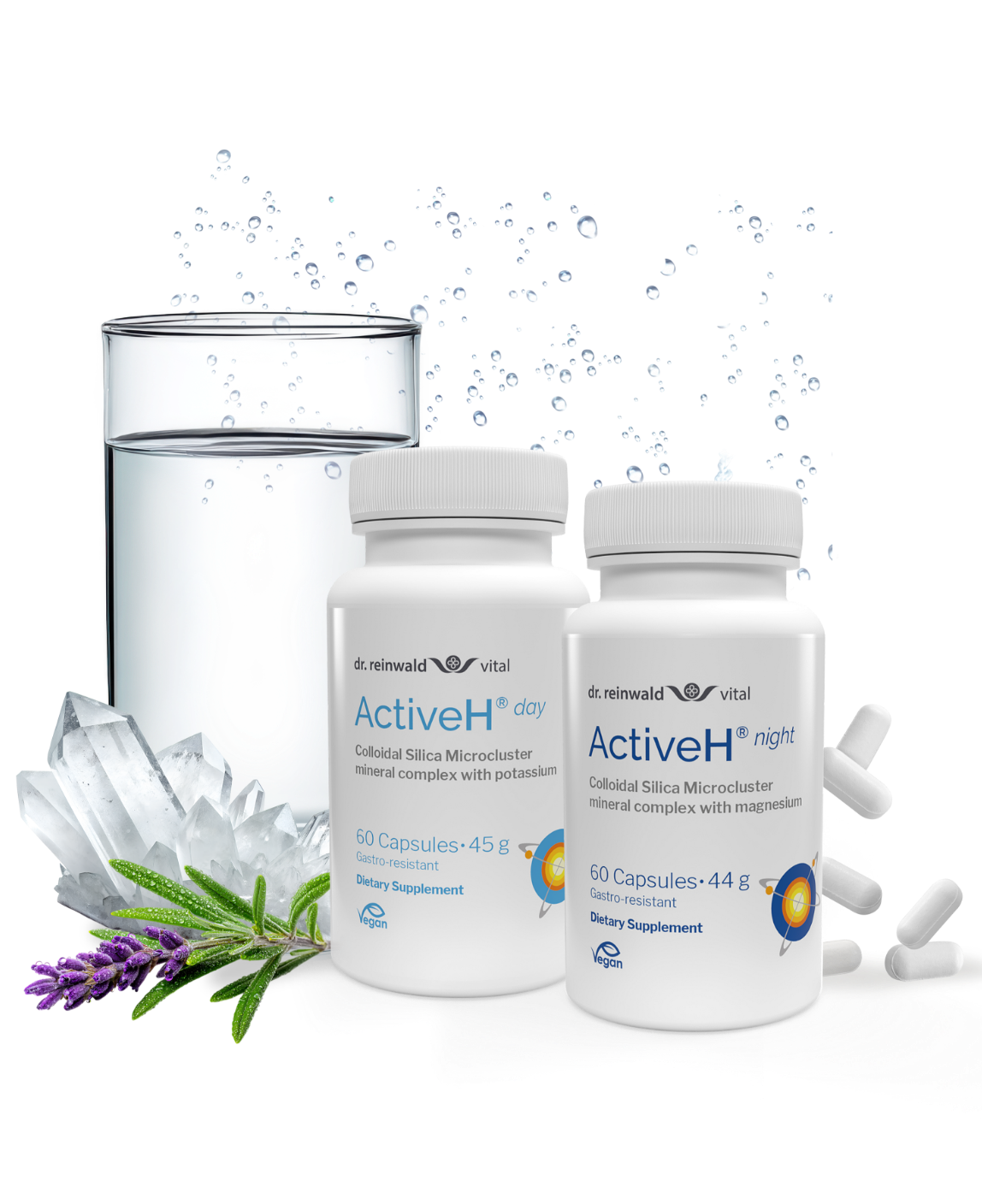
The solution? An increased supply of hydrogen ions, for example in the form of active hydrogen, which, through its active, negatively charged hydrogen ions, helps to recharge and restructure the cells and stimulate cellular functions. However, since active hydrogen is very reactive and volatile and is not available to us in sufficient quantities even in energy-rich spring water, fruit, or vegetables, our vital product Active H® can provide you with optimal support, as it contains not only active hydrogen but also valuable cofactors such as magnesium, boron, and selenium.
But that is not all! Your eating and training habits can also make a significant contribution to preventing your body and muscles from becoming over-acidified. As always, the rule here is: “The dose makes the poison”! Instead of increasing your training from zero to one hundred, it makes sense to increase your training volume gradually. Your body and fitness benefit from a balanced mix of endurance, interval, and strength training as well as warm-up and cool-down phases, because you specifically use both the anaerobic and aerobic energy sources.

Additional power from proteins & co.?!
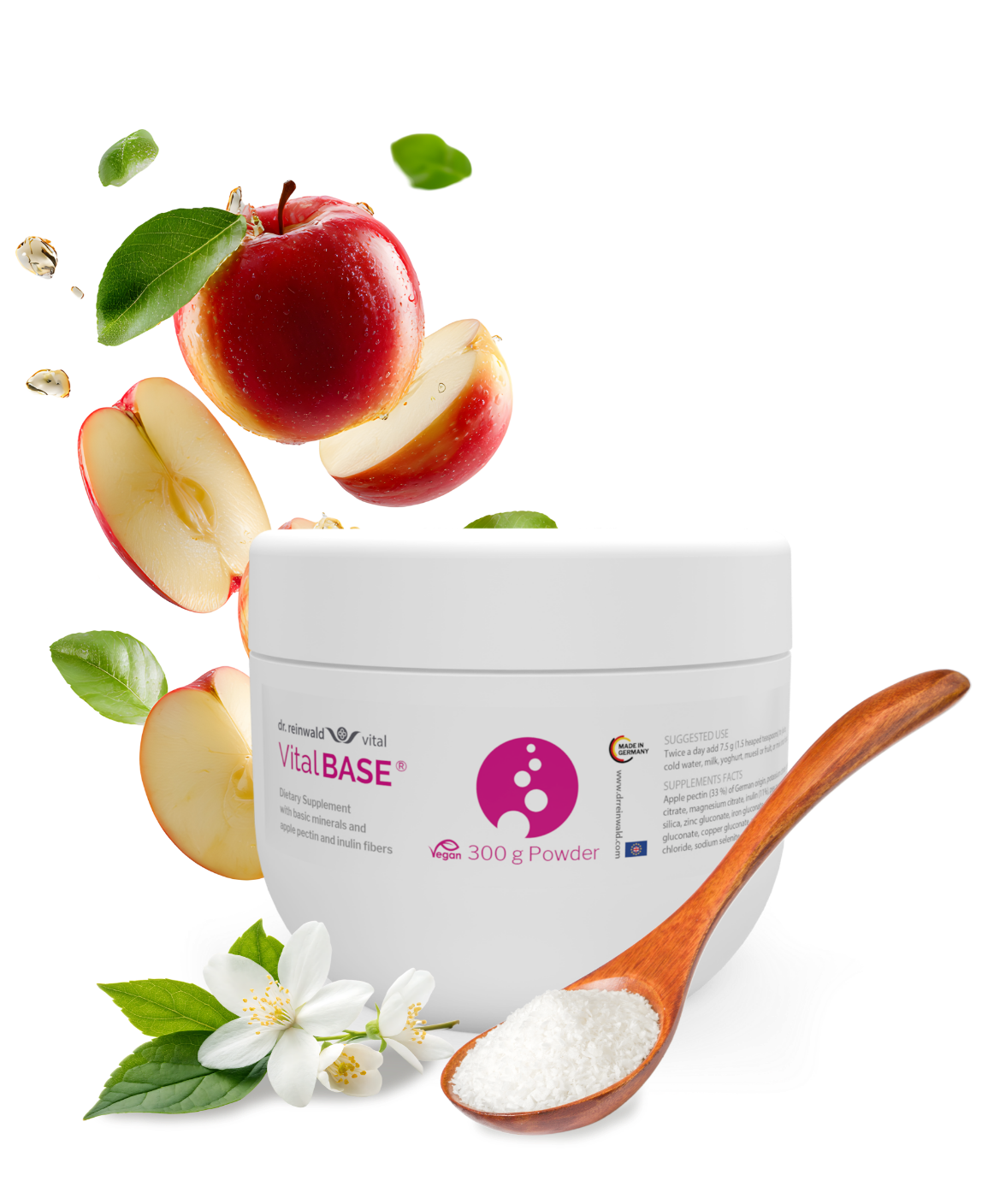
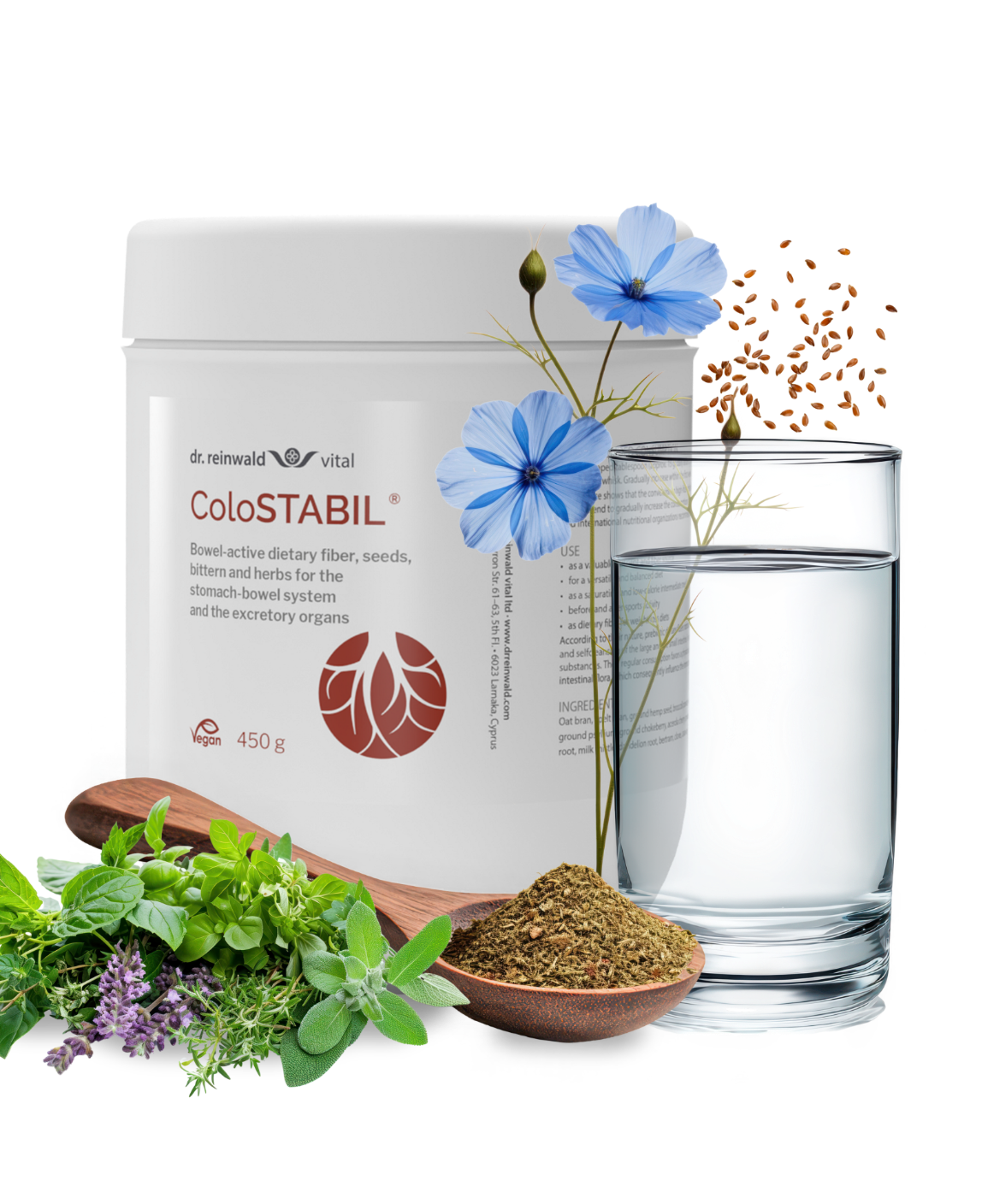
With a balanced ketogenic, fiber-rich, and alkaline diet, you can optimally support your training and your muscles in order to stay efficient, recover faster, and effectively build and strengthen muscle. However, if your body is already over-acidified, for example due to stress, our alkaline powder VitalBASE® and our fiber blend ColoSTABIL® can enhance your diet and thus balance your acid-base balance.
One decisive factor for better performance in sports is undoubtedly, above all, sufficient protein intake! Without proteins – more precisely, amino acids – nothing works in our body. They are not only essential for life, but also responsible for building and maintaining our muscles. An adequate, high-quality supply is therefore crucial, especially of the essential amino acids that the body cannot produce itself and that must be obtained through food or dietary supplements. If they are lacking in the body, this can lead to muscle mass being broken down rather than built up.
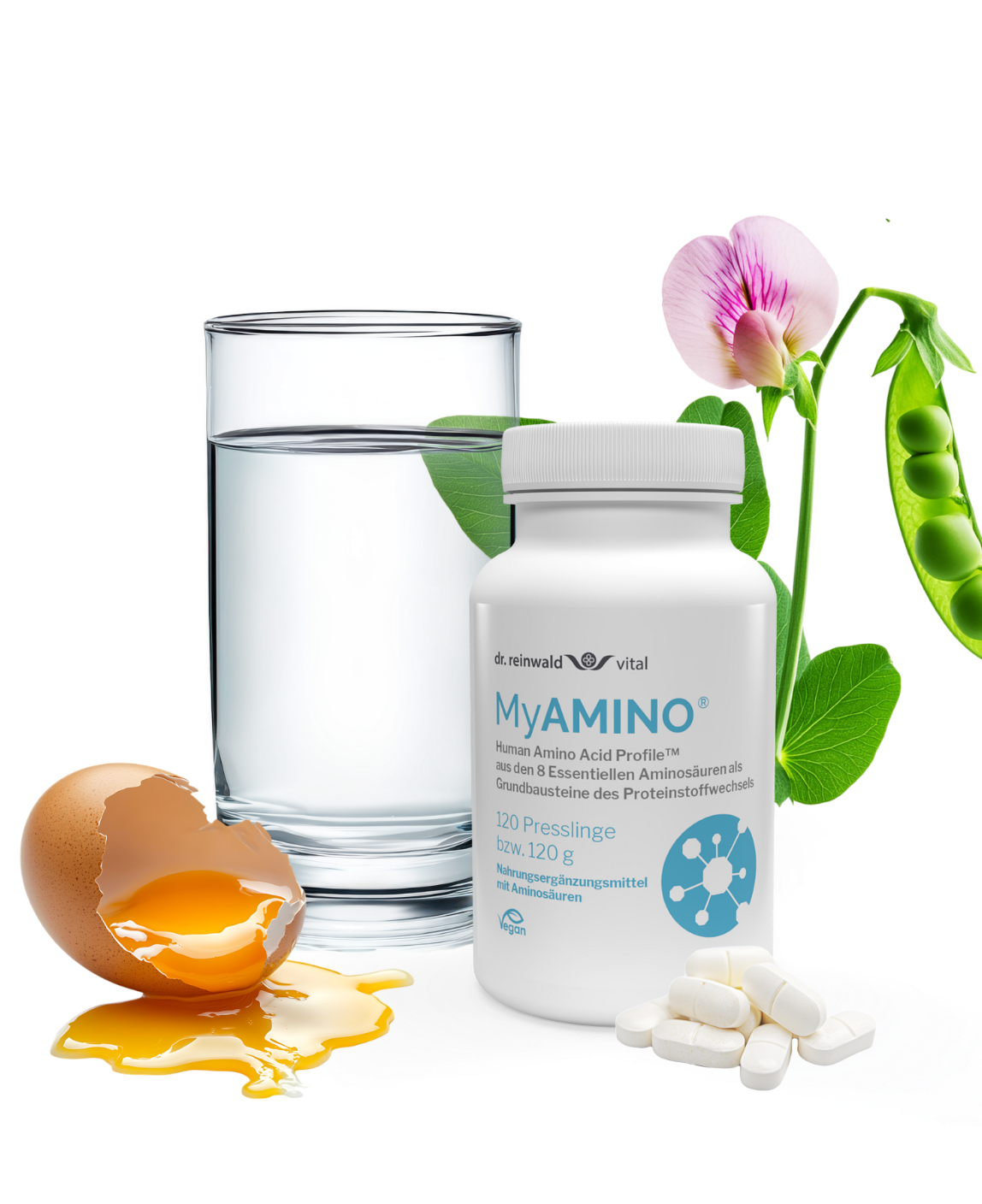
Our amino acid product MyAMINO® therefore offers you the perfect support, as it supplies you with all eight essential amino acids and is a true booster for muscle building as well as tissue firming. With just 10 tablets, you get roughly the same net protein-building value as when eating a 350 g steak, but with only 0.4 calories.

Training breaks – why they are so important!
The saying “Strength lies in calm” is especially true in the field of sports. After an intense workout or reaching your exertion limit, your body needs a regeneration phase. Not only has it used up its energy, but small muscle tears also need to heal.
The duration of this recovery phase depends on various factors such as age, training intensity, and fitness level. Ideally, the organism not only recovers during this time, but even builds up performance reserves. However, this gain is fragile and does not last long, so the next physical activity or training session should be planned precisely after this “peak,” which is usually reached after 48–72 hours.
Through the targeted intake of essential amino acids, active hydrogen, or micronutrients such as B vitamins, you can actively use this recovery phase to supply the body with important nutrients and promote muscle building as well as the repair of cell damage in order to achieve maximum energy.
We are confident that our advice as well as our vital products will help you tackle your next training session or even your upcoming longer bike ride with full energy! We wish you every success and lots of enjoyment in your sporting activities!