Enzymes – Sparks for Health and Well-Being
Did you know that without enzymes, our body would not be able to absorb essential nutrients such as vitamins and minerals at all? But enzymes can do much more! They are the sparks in our organism and are absolutely indispensable for our health and well-being. Because without enzymes, practically nothing works in our body. They control all metabolic processes, and they are especially important for our digestion, the immune system, and the blood.
Enzymes in Nature and Food Production
We encounter enzymes everywhere. In nature alone, we can admire their ability to build up and break down substances in many places. Enzymes are at work here billions of times over and contribute, among other things, to grass, flowers, and other plants growing, or to leaves falling from the trees in autumn.
People have also been using the power of enzymes for fermentation since ancient times in the production of food and beverages. It is known that the Sumerians were already brewing beer, baking bread, and making cheese as early as 3,000 BC—probably still without knowing about these little helpers. Even today, the production of beer, wine, and foods such as sauerkraut, blue cheese, fermented vegetables, yogurt, dairy products, meat, or sausage products would not be possible without enzymes.
Incidentally, the coined term enzyme dates back to the late 19th century. It is based on the ancient Greek word énzymon, which in German means something like “sourdough” or “yeast.”
Enzymes as Biocatalysts
All processes in our body, whether physical or mental, are influenced—or even made possible in the first place—by biochemical reactions in our metabolism. Enzymes are at the center of these reactions.
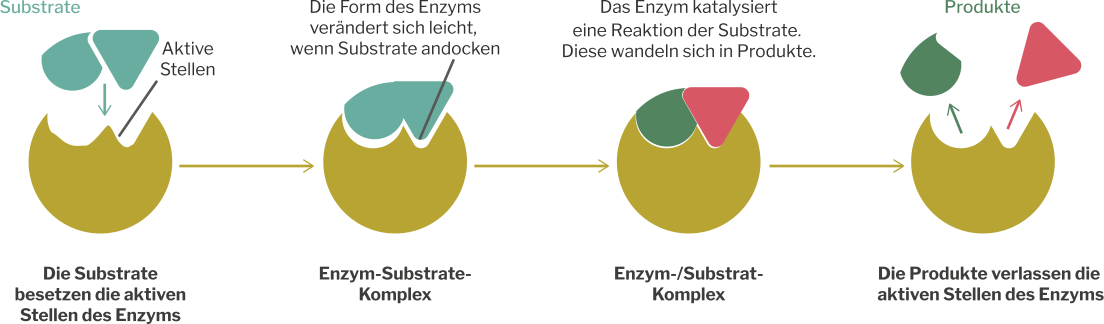
Enzymes, mostly proteins, are found in all body cells. Like a spark, they activate and accelerate the biochemical reactions in our body by lowering or raising their activation energy. Enzymes are therefore also referred to as biocatalysts.
Enzymes therefore make it possible for many biochemical reactions in our organism to take place at all—and to do so many millions of times faster and with less energy than would be the case without their support. This mechanism shows us once again just how intelligently our body is designed: without enzymes, our organism would need much more energy to initiate all vital biochemical reactions. As biocatalysts, enzymes provide, so to speak, an alternative route for energy generation, since with their help our organism requires less activation energy for a reaction. And that is truly a wonderful thing!
Enzymes are quite sensitive. Their activity is influenced by certain factors such as body temperature, oxygen content, pH value, body electricity, or inhibitors such as heavy metals, certain medications, or toxins. Many enzymes can also only develop their effect once they have been activated by one or more so-called cofactors. Cofactors are often vitamins or trace elements.
The Heart of Our Metabolism
The work of enzymes is by no means limited to selected reactions. No: enzymes form the heart of our entire metabolism! They are involved in all metabolic processes in our organism, including the breakdown of cellular waste and dead tissue, as well as the elimination or inhibition of so-called “viruses” or virions, which are individual virus particles located outside a cell.
Enzymes play a crucial role in our health and our physical, mental, and emotional well-being. All tissues, muscles, bones, organs, and cells are controlled by enzymatic processes: the digestive system, our immune system, the body’s own detoxification, the bloodstream, protection against oxidative stress, the liver, kidneys, spleen, and our pancreas. Our hearing and vision, our ability to think and concentrate, our emotions, and our breathing as well—the function of every single cell in our body depends on enzymes.
Enzymes in Our Food
There are enzymes that our body cannot produce on its own. These are found primarily in fruit, vegetables, salad greens, and nuts. Exotic fruits such as bananas, kiwis, pineapples, papayas, and figs are absolute enzyme powerhouses. But apples, pears, broccoli, avocados, cucumbers, tomatoes, and fermented foods also have a high enzyme content. Since most enzymes lose some or all of their effect after heating, foods should be eaten as fresh and raw as possible.
In your cells right now, an enzyme is making
a copy of your dna in less than two hours, right in the nucleus
Hugh Martin
How Does an Enzyme Deficiency Develop?
Tens of thousands of enzymes are active in our body. Each one has its own specific task. The best-known enzymes are probably the digestive enzymes. They are responsible for breaking down the components of our food, such as proteins, fats, carbohydrates, and lactose, into smaller building blocks. These building blocks are absorbed into the blood via the mucous membranes and used or stored in our metabolism. Accordingly, the most common forms of enzyme deficiency are intolerances to lactose, fructose, and histamine.
An enzyme deficiency can have various causes:
- Congenital enzyme deficiency
- Disease of the pancreas
- Unfavorable eating habits such as
- Eating hastily and not chewing enough
- Eating too often or too much
- One-sided diet or consuming too few enzyme-containing foods
- Acidosis (an acidic pH value impairs the effectiveness of enzymes)
- the body’s own enzyme production also decreases with increasing age
In order for enzymes to develop their full effect, they need vitamins and minerals. In addition to conscious, mindful eating, we therefore recommend a natural, varied diet with a large proportion of raw foods. Of course, only if you tolerate them well. If you eat meat, here is some good news: a steak cooked medium or rare also contains many important enzymes.
In the case of a congenital or disease-related enzyme deficiency, you can usually no longer meet your needs through a healthy diet alone. The same applies to diseases that result in an increased need for enzymes. In this case, you should speak with the doctor, therapist, or alternative practitioner you trust about supplementation with appropriate dietary supplements.
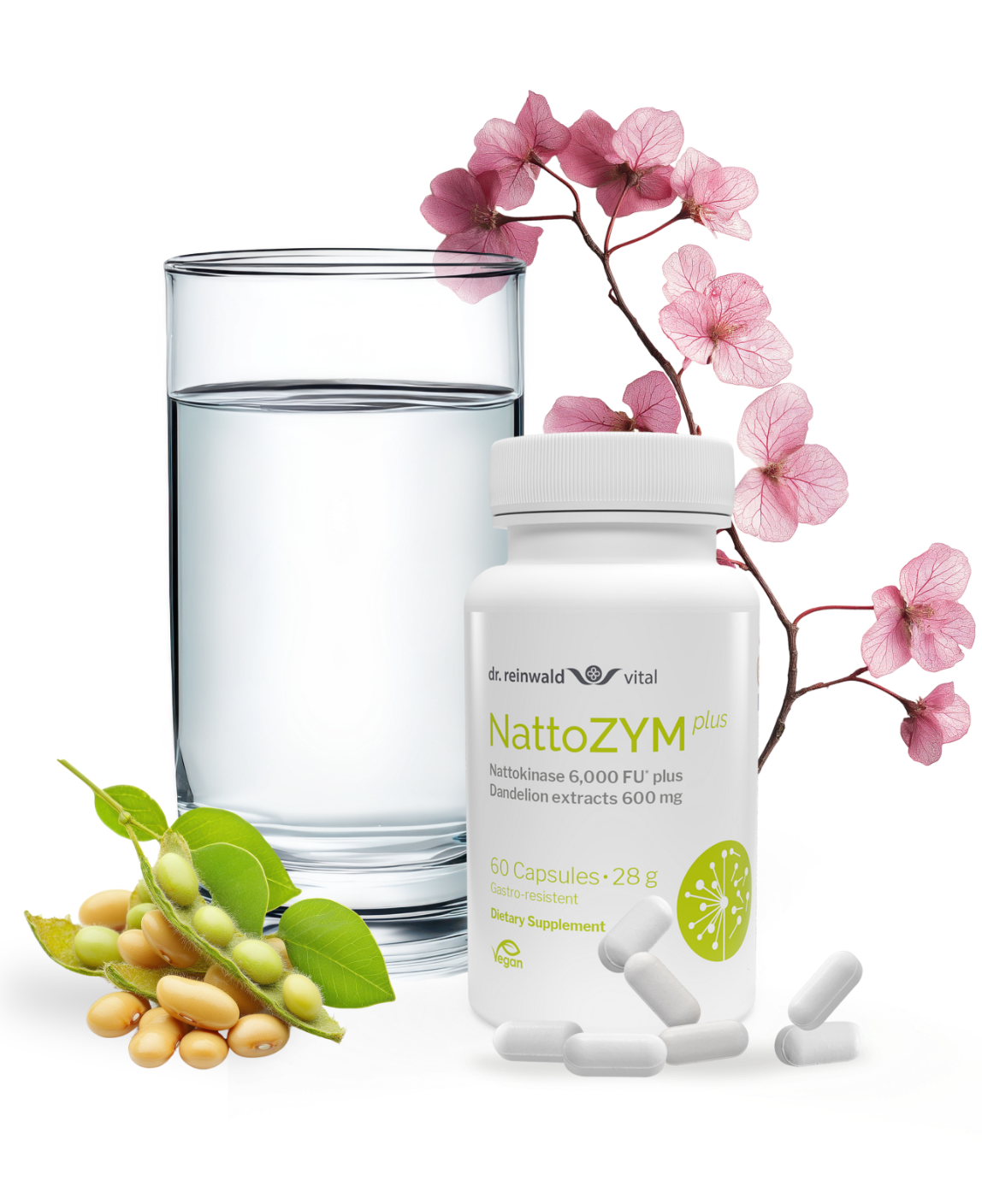
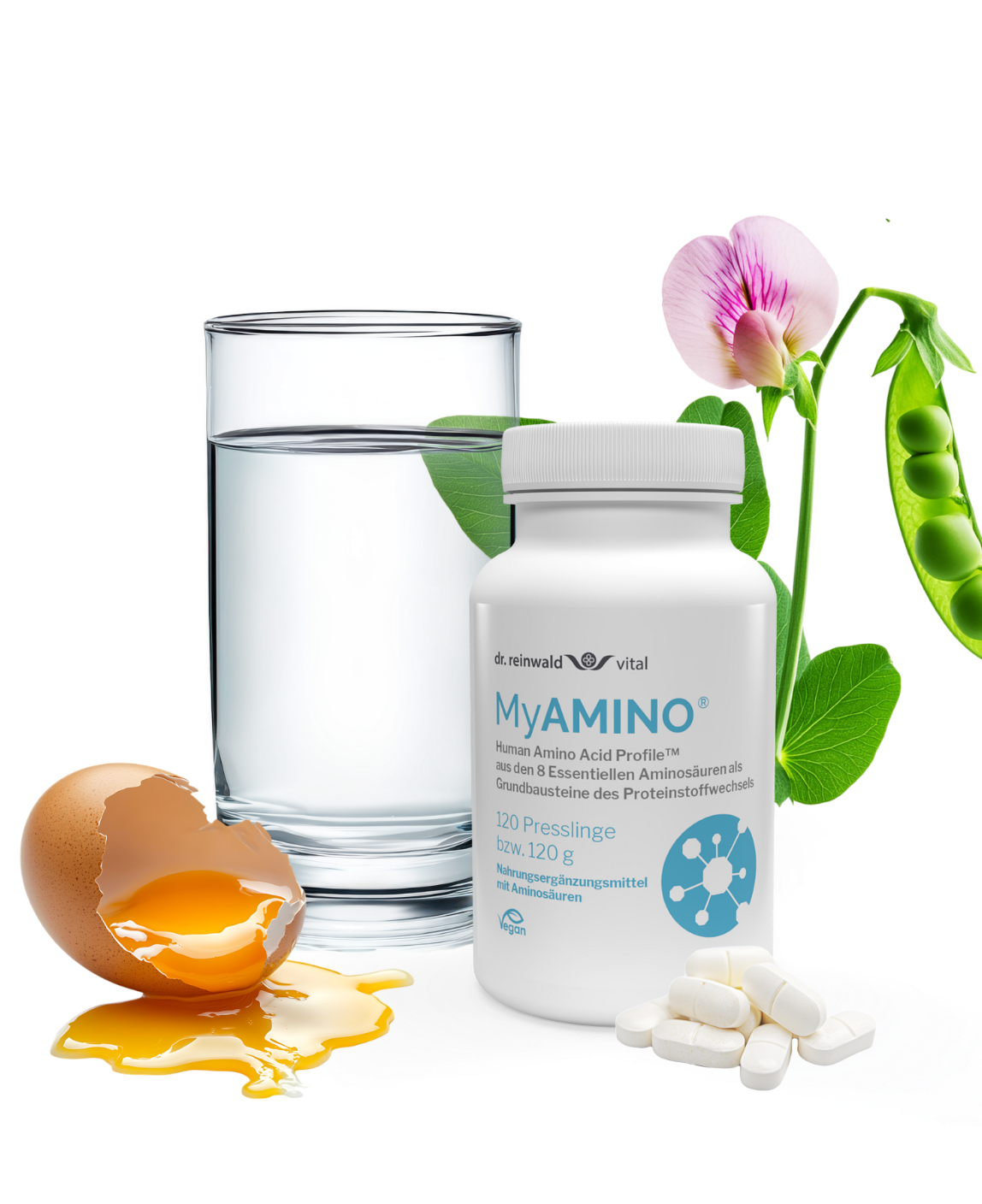
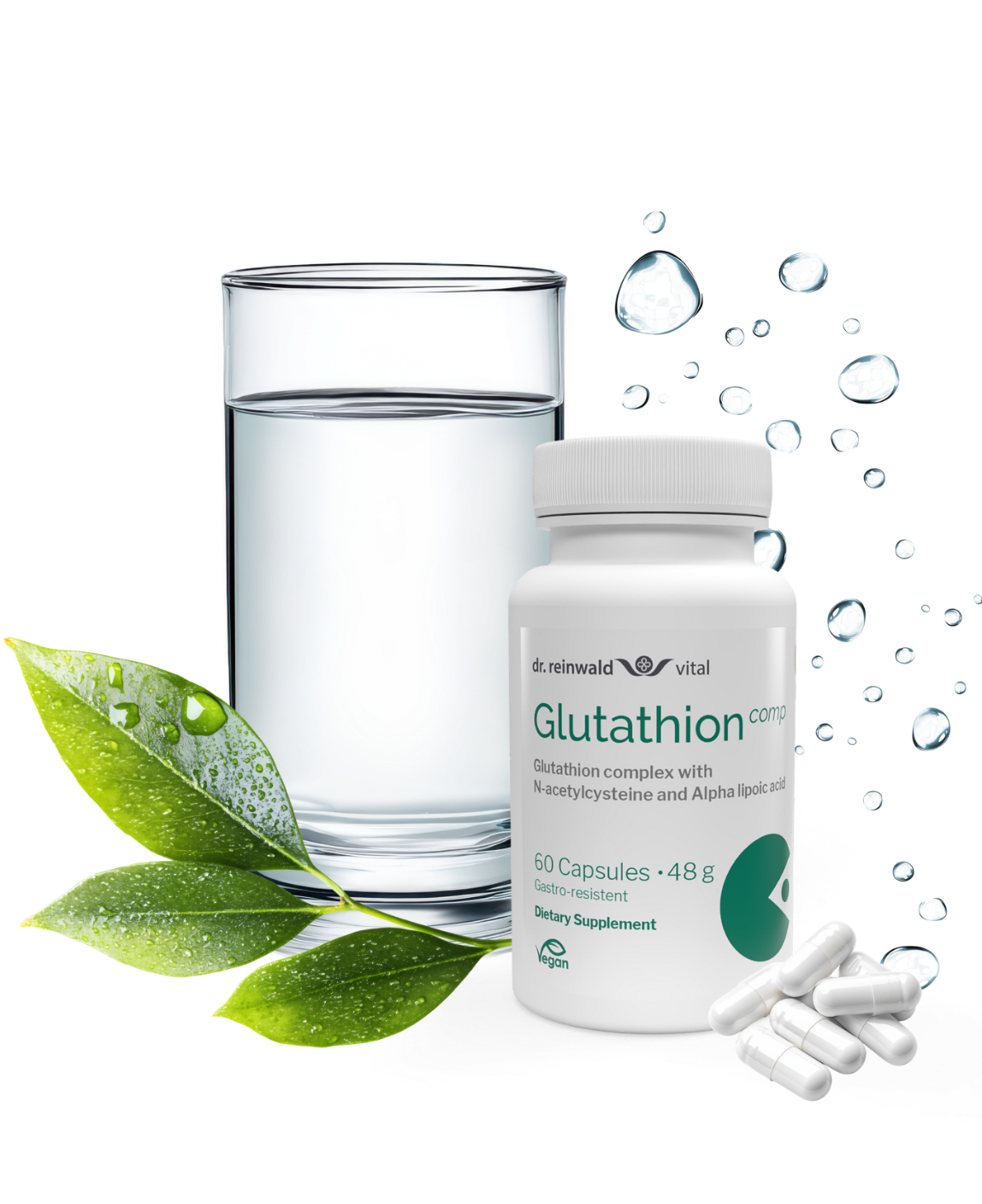
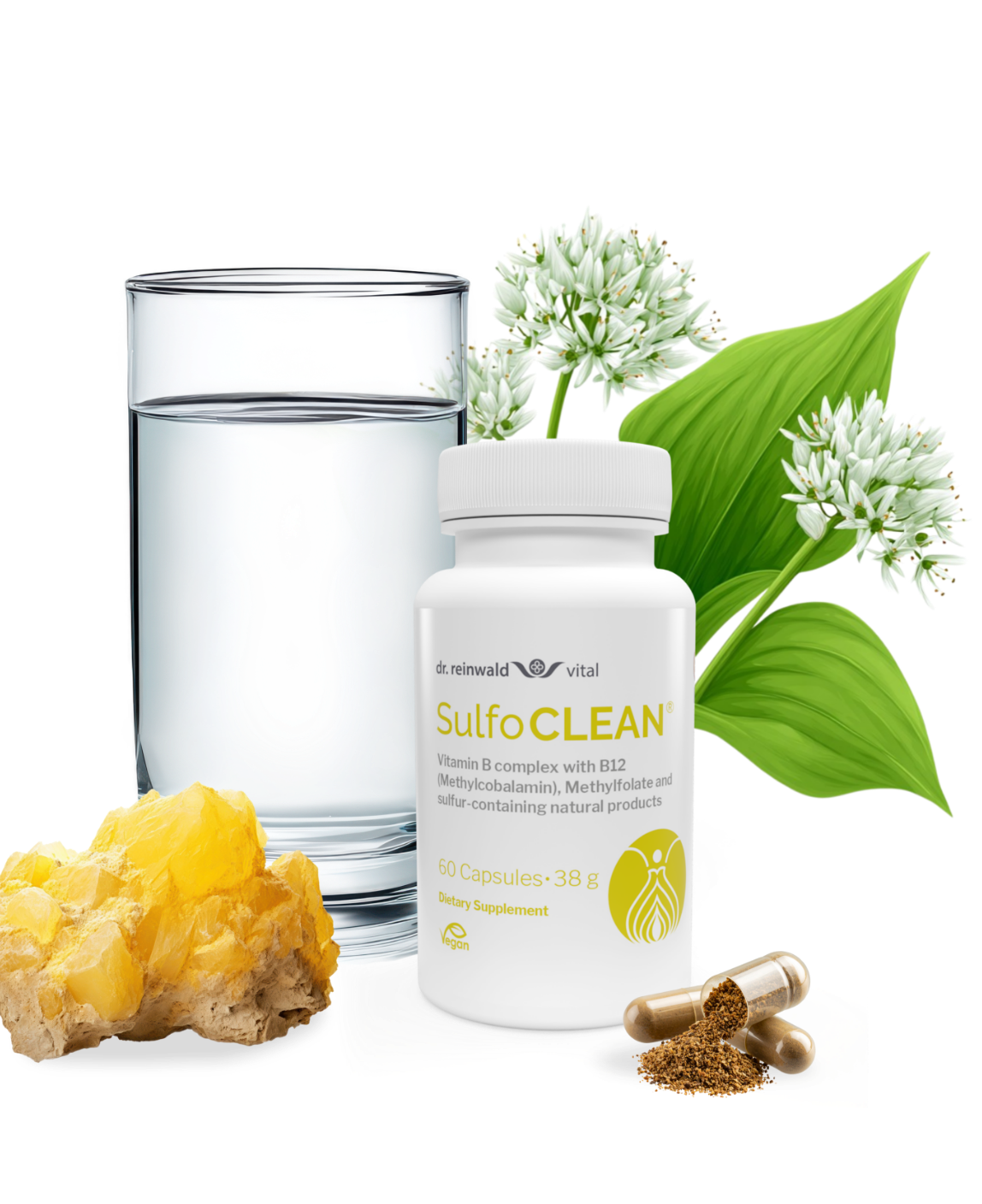
Enzyme Preparations from dr.reinwald vital
Do you have questions about enzymes? Our friendly team—made up of therapists and alternative practitioners—will be happy to advise you on the topic of enzymes or our new enzyme products. Call now or use our chat.