How useful are dietary supplements really?
10 top reasons and how to recognize high-quality vital products
In our daily therapeutic work, we unfortunately find time and again that even with the “best” diet, the body lacks important nutrients.
If the body lacks vital nutrients over a longer period of time, this initially becomes noticeable through reduced performance and, in the long term, possibly also through permanent damage. Targeted supplementation with dietary supplements is therefore useful. But how can a nutrient deficiency occur at all despite a “good” diet? And what type of dietary supplement is recommended?
10 possible reasons for a nutrient deficiency
- 1. Too little fruit & vegetables
The average German eats just 289 g of fruit and vegetables per day! That is far too little, because even official sources recommend 400 g, which we regard as the absolute minimum, especially when it comes to vegetable consumption (fruit should be consumed more moderately due to its usually high glycemic load). Since only 27% of all women and 20% of all men actually reach this amount, it is no wonder that many of us lack vital vitamins, fiber, minerals, and trace elements. But even if we eat the recommended amount of fruit and vegetables every day, a nutrient deficiency can still occur. The reason: many types of fruit and vegetables are often of inferior quality, harvested unripe, or heated too much during preparation. All of this leads to nutrient losses. - 2. Too little high-quality protein (amino acids)
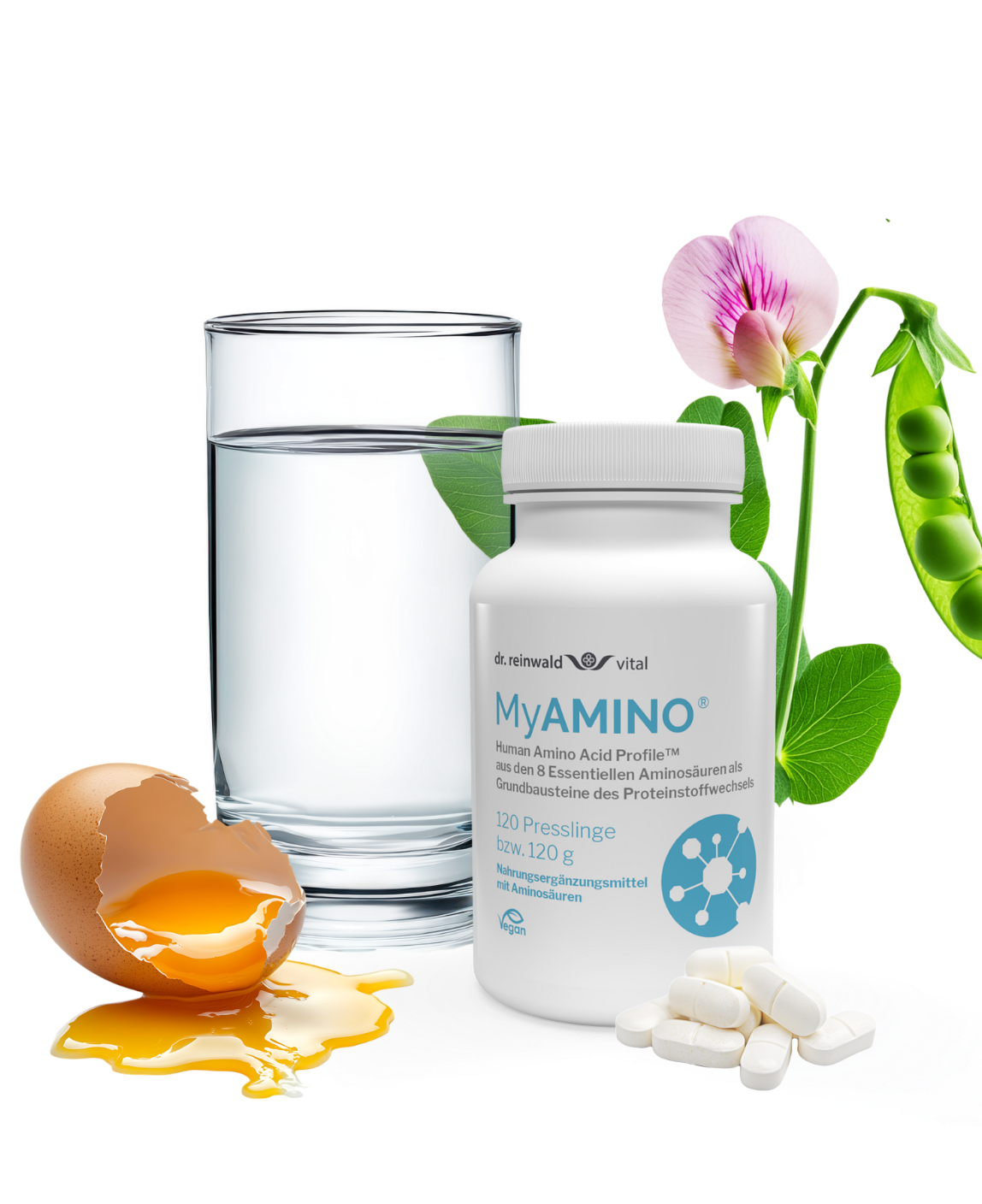
Vegans and vegetarians in particular face the challenge of adequately and sufficiently replacing animal protein in their diet. But pregnant women, seniors, athletes, people who are ill, or people who want to stay vital also have an increased need for amino acids. It is not without reason that these are considered the basis of all life. An adequate, high-quality supply is essential for our health, as amino acids are responsible, among other things, for cell formation and cell regeneration. - 3. Too little sunlight (vitamin D3)
As Northern and Central Europeans, we are of course clearly at a disadvantage when it comes to getting enough sunlight every day. However, our body urgently needs it in order to produce the vital vitamin D. Vitamin D controls calcium absorption, including in our bones, and strengthens our body’s defenses. Unfortunately, even a longer walk each day is not enough to supply us with sufficient vitamin D3 – especially during the cold and dark season.
- 4. High stress levels
We are all exposed to a wide variety of stressful situations every day: high pressure to perform at work, school, or university, caring for the family alongside a job, homeschooling, financial responsibility, and so on. This chronic stress is an ideal basis for free radicals, which can cause an imbalance in the nutrient balance. Antioxidants offer effective protection against free radicals. - 5. Denatured food due to industrial processing
The rule of thumb here is: the more heavily a food is industrially processed, the fewer nutrients it generally contains. However, because our stressful and modern lifestyle is usually tightly scheduled, many of us reach for quickly available foods in everyday life. Filled rolls, instant soups, ready meals, or even supposedly “healthy” options such as yogurts, ready-made mueslis, and soy products are usually very low in nutrients.
- 6. Mineral-poor soils
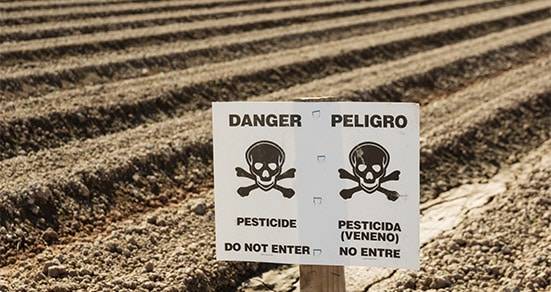
A fact that cannot be avoided even with the most balanced diet: fruit and vegetables are often so low in nutrients because many soils have simply been depleted by modern, efficiency-oriented agriculture. The use of fertilizers does the rest, so the soil in which our food grows is neither particularly rich nor sustainable. - 7. Too much sugar and carbohydrates
It is human nature to prefer sweet foods. After all, our first gustatory perception is breast milk, which is said to have a slightly sweet taste. Unfortunately, nowadays we often indulge this inclination toward sweetness very excessively. Foods and drinks containing sugar and carbohydrates dominate our daily diet, while nutrient-rich foods increasingly fade into the background. The result: the more sugar we eat, the fewer vitamins and minerals we absorb. Incidentally, this is a fact that was confirmed again only last year by Lund University in Sweden. - 8. Too little fish (omega-3 fatty acids)
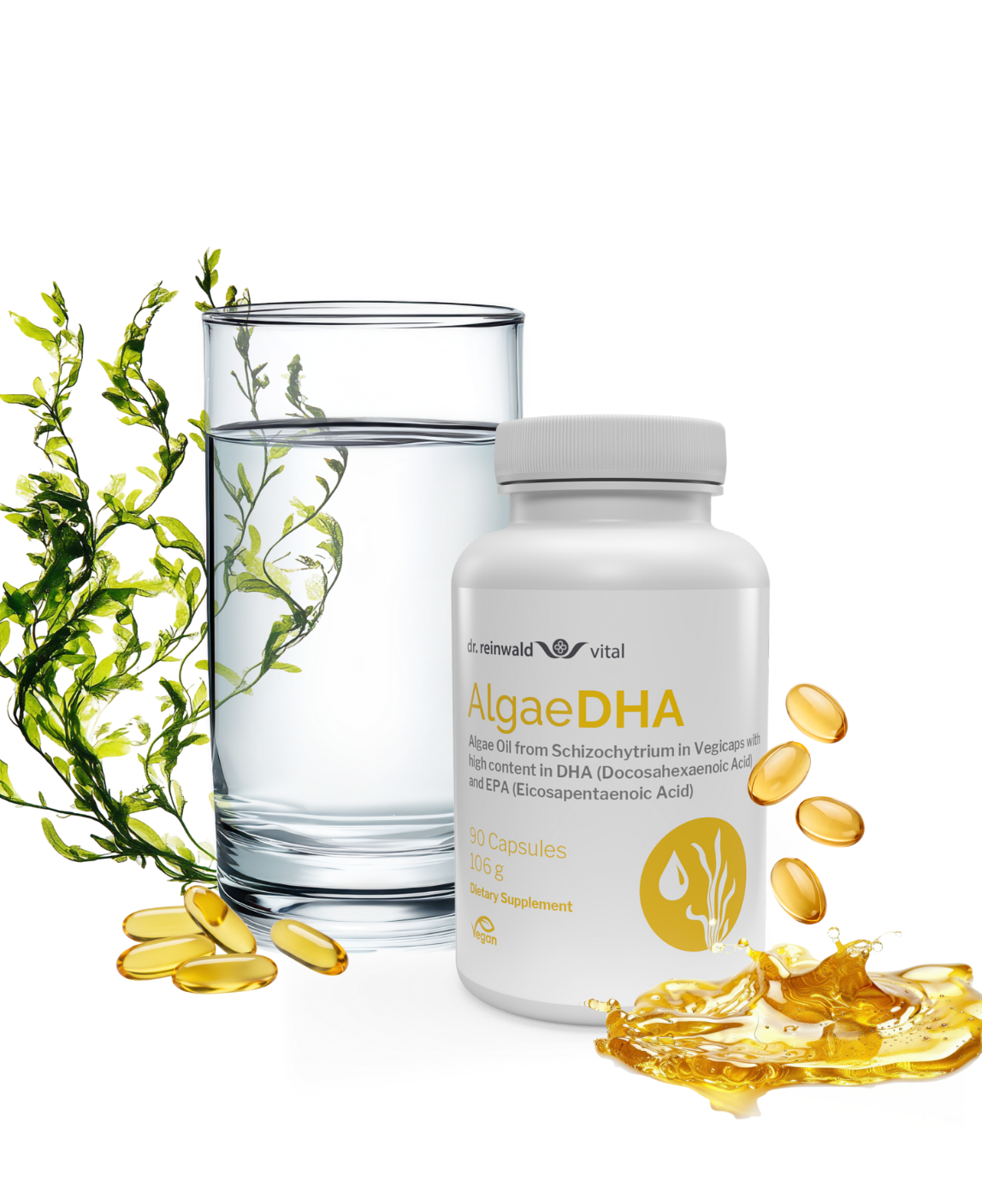
It is not only vegans and vegetarians who are affected when it comes to an omega-3 fatty acid deficiency, but also many “omnivores.” And so many of us consume too many omega-6 fatty acids while at the same time suffering from an acute omega-3 deficiency. It should also be obvious that regularly eating fish fingers or fried fish sandwiches is not a solution. Breaded fish generally contains only a few nutrients. Instead, high-quality marine fish from sustainable organic aquaculture should be on the menu at least once a week. However, since this is not always readily available and fish from conventional aquaculture or wild catches are often heavily contaminated with heavy metals, omega-3 fatty acids can be well supplemented via vegan algae oil. - 9. Increased nutrient requirements in different life situations
The respective nutrient requirement naturally also depends very much on the individual life situation. Pregnant women, seniors, athletes, children, vegans, vegetarians, people with health complaints, smokers, or people with high stress levels have an increased need for nutrients. This clearly differs from the official recommendations and should therefore be additionally and sufficiently covered. - 10. Regular use of medication
What many people are not aware of: taking certain medications can lead to a severe nutrient deficiency. The list of medicines is very long and would go beyond the scope of our article. Therefore, our tip: it is best to discuss with your doctor or therapist how you can prevent a nutrient deficiency when taking medication, or work together to look for suitable alternatives.
Would you like to learn more? Then we can warmly recommend the book “Drug-Induced Nutrient Depletion Handbook” by Uwe Gröber.
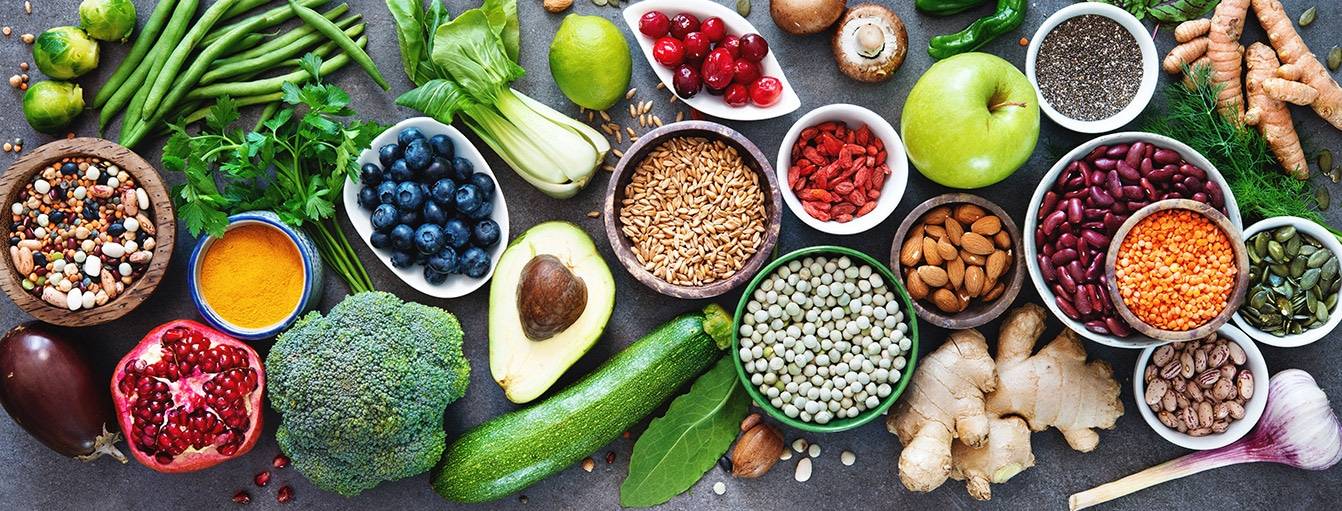
“There can be worlds between eating and nourishing yourself.”
Proverb
Dietary supplements – yes, please!
But: How can I separate the wheat from the chaff?
Unfortunately, the situation with dietary supplements is the same as with many other products: there are great, high-quality vital products from reputable manufacturers. But there are also dietary supplements that are not only inferior, but in some cases can even be counterproductive. This applies above all if they contain sugar or if you suffer from an intolerance.
The following points are therefore intended to show you which characteristics can indicate that a dietary supplement is more likely to be of inferior quality:
• Use of sweeteners and fillers such as sugar, sucrose, dextrose, or sugar substitutes such as aspartame
• Use of anti-caking agents and binders as well as additives such as titanium dioxide, soy, lactose, gluten
• Contained colorings and preservatives
• Use of artificially ineffective forms, such as folic acid instead of folate in vitamin B12 products
• Low bioavailability
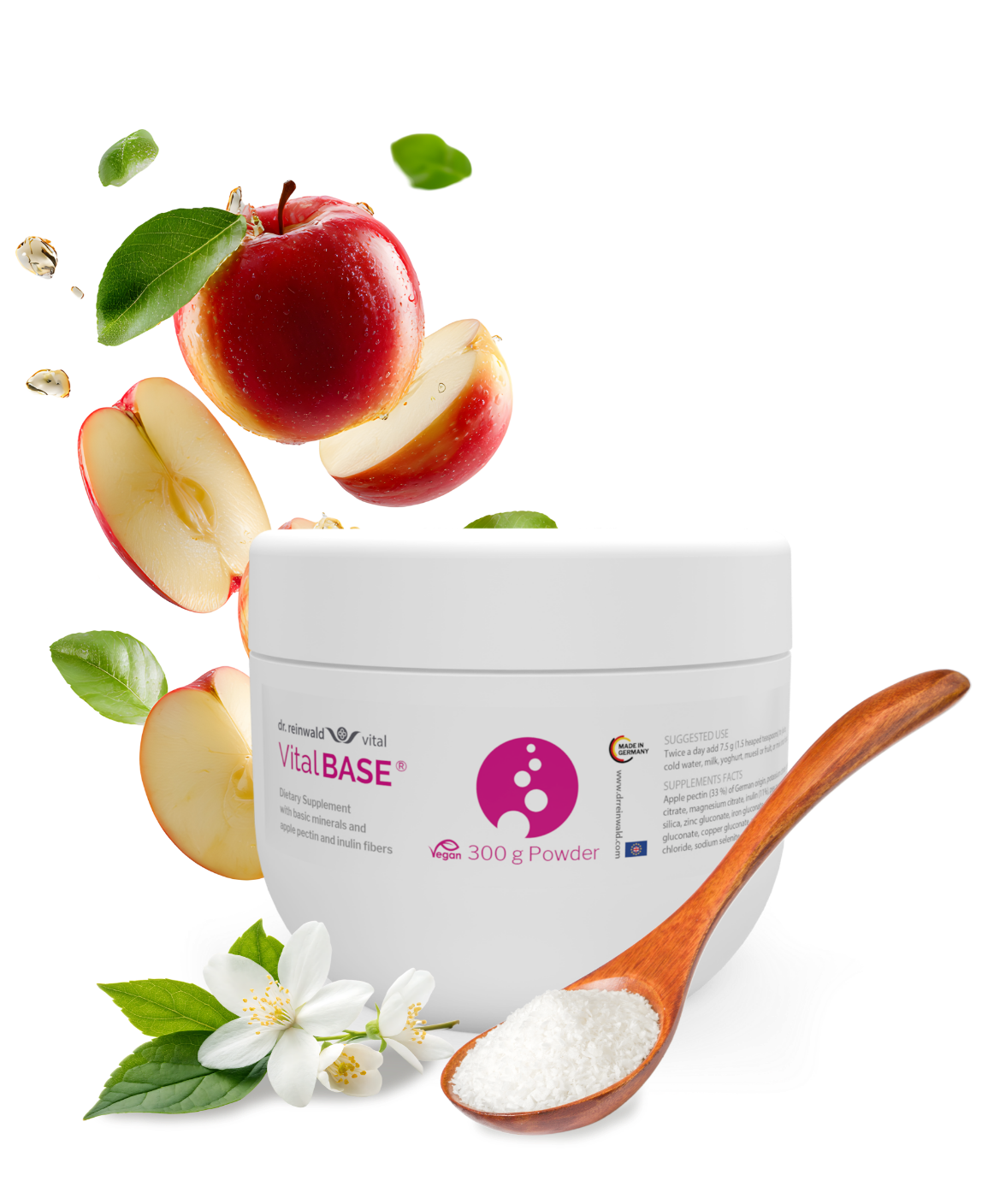
• Use of carbonates instead of citrates, e.g. in acid-base mixtures
• Use of genetically modified raw materials and ingredients
• Low or insufficient dosage of ingredients
• Pasteurized treatment in products with lactic acid bacteria
• Frequent use of fish oil in omega-3 products and thus an increased risk of ingredients contaminated with heavy metals
And last but not least, one point that we ourselves consider very important: the country of production. Especially in times of sustainability and social responsibility, it is very important to us that production and working conditions are fair and, above all, remain so. For this reason, the dietary supplements from dr.reinwald vital are produced almost entirely in Germany. This allows us not only to guarantee products that have been produced ethically, but also to take into account the strict control mechanisms in place in Germany and the EU.

The 4 must-haves among dietary supplements
Of course, the “right” dietary supplement should always be individually tailored to the respective diet and life situation. Therefore, our tip: ideally, have your nutrient status tested by your naturopath or therapist and get advice accordingly. Regardless of this, however, there are some “classics” that we recommend to everyone as a valuable addition to their daily diet.