The Importance of Sun Protection
Is solar radiation only harmful? Or is there another perspective?
Sun protection is extremely important—there is no question about that. But sunlight itself also has its positive sides. It stimulates the production of vital vitamin D in our skin, which, however, is often blocked by sunscreens. It is therefore crucial to find a healthy middle ground. Enjoy the sun in moderation, protect your skin from the inside and outside, and thus strengthen its own protective mechanism.
Especially fair and sensitive skin needs special attention, particularly when it is not yet accustomed to the sun. Too much sun can not only lead to sunburn, but also increase the risk of skin aging and skin cancer. Conventional sunscreens usually focus only on external protection and often contain questionable ingredients such as octocrylene, oxybenzone, enzacamene, octinoxate, or avobenzone. Substances that are suspected, among other things, of being potentially carcinogenic and accelerating the growth of cancer cells. Even though an official connection to the rising skin cancer figures and the high use of sunscreens is officially denied, as by the German Federal Institute for Risk Assessment, numerous studies, such as a clinical study from 2009, unfortunately show a different picture. In that study, avobenzone, oxybenzone, octocrylene, and ecamsule were detected in the blood of the test subjects and even in urine and breast milk.
No wonder that in Hawaii the sale of sunscreens containing octinoxate and oxybenzone has been banned since the beginning of 2021—even though this was less about protecting people and more about possible damage caused by UV filters to coral reefs.
But what is the best way to protect yourself now? Use no sunscreen at all, or only apply sun protection from within? The answer here is simple: ideally, a combination of both—but in a natural way!
Healthy External Skin Protection
Natural Alternatives to Conventional Sunscreens
Especially natural and plant-based oils can represent an interesting and natural alternative to conventional sun protection products, particularly in the low sun protection factor range and for skin care. An in-vitro analysis in 2021 showed the following sun protection values in women with relatively fair skin:
- Shea butter: SPF 3.5–5.5
- Argan oil: SPF 2.5–4.9
- Avocado oil: SPF 2.3–3.1
- Moringa seed oil: 2.3–3.5
- Wheat germ oil: 2.2–3.4
- Black cumin oil: SPF 2.1–3.3
- Raspberry seed oil: SPF 2.1–3.1
- Rosehip seed oil: 2–3.2
- Carrot seed oil: SPF 1.9–3.1
- Hazelnut oil: SPF 1.9–3.1
- Hemp oil: SPF 1.9–3.1
- Coconut oil: 1.1–1.3
In addition to the plant oils already mentioned, essential oils also have a certain sun protection factor. However, this is generally quite low, as essential oils must be diluted with a carrier oil. Nevertheless, due to their cell-regenerating properties, plant and essential oils are an interesting alternative for summer skin care and moderate sun exposure. If you would like to make your own sunscreen, you can use the following cell-regenerating essential oils: peppermint oil, patchouli, eucalyptus oil, lavender oil, patchouli oil, rose oil, tea tree oil, chamomile oil, palmarosa oil, manuka, and carrot oil.
However, exercise caution with bergamot, lime, lemon, and angelica root oil, as these can have a “phototoxic” effect in larger quantities and increase the skin’s sensitivity to UV light!
What Does the Sun Protection Factor Really Tell Us?
The terms sun protection factor and light protection factor are often used synonymously in Germany. The abbreviations SSF or LSF are frequently found. The English variant SPF (Sun Protection Factor) is also common and is used to evaluate light protection preparations, i.e. sunscreens. The SPF indicates how many times longer you can expose yourself to the sun with a sunscreen without getting sunburned compared to your skin’s own self-protection time.
Do it yourself:
Your Recipe for Homemade Sunscreen
To make your own natural summer care product, proceed as follows:
First heat 20 ml avocado oil, 25 ml sesame oil, and 30 g coconut oil in a water bath until everything is liquid. Then add 20 g shea butter and stir until the mixture is liquid again. Next, add 2–3 tbsp zinc oxide powder and mix everything thoroughly with a milk frother. Wait until the mixture has cooled to room temperature before adding 10–20 drops of carrot seed oil and 10–20 drops of lavender oil. Stir well again so that all ingredients are evenly distributed. Now your own homemade sunscreen is ready!
Carotenoids—the Natural Way to Internal Sun Protection
Similar to increasing the sun protection factor externally, internal sun protection also works. When we consume certain substances such as carotenoids, which occur in plants as yellow, orange, or red organic pigments, we can increase our body’s own sun protection factor and thereby reduce our skin’s sensitivity to UV radiation. This principle is also found in nature—many plants protect their sensitive leaves from sunburn through natural dyes and pigments. A good example of this is green algae, which produce what is known as astaxanthin, a particularly powerful and bright red carotenoid, and it helps the algae protect themselves from drying out during the hot season by forming their own internal and natural protective shield, thus ensuring the survival of this plant.
Astaxanthin: Power Antioxidant and Carotenoid
The example of green algae and their pigment astaxanthin impressively illustrates how valuable this active ingredient from nature is. Astaxanthin not only increases the body’s own UV protection, but also has anti-inflammatory and antioxidant properties. No wonder many marine animals such as salmon, lobsters, shrimp, crabs, and even flamingos prefer algae with astaxanthin. They owe their chic pink color and their muscle strength to this carotenoid, because the red pigment is mainly found in the animals’ muscles.
But back to us humans: we too can benefit from the many positive properties of astaxanthin! In terms of sun protection, a recently conducted double-blind placebo-controlled study confirmed that subjects with sensitive to normal skin developed a higher UV tolerance after just two weeks of taking 4 mg of astaxanthin. After 10 weeks, a further improved self-protection time was also observed, as well as a significantly better complexion with less loss of skin moisture.
But that’s not all! In addition to its impressive antioxidant and anti-inflammatory properties, astaxanthin is also regarded as UV protection for the eyes. The substance can cross the blood-brain barrier and thus protect the nerves of the central nervous system as well as the brain from inflammation and free radicals. By crossing the blood-retina barrier, our retina can also benefit directly from the antioxidant and protect the eye. However, astaxanthin does not only work in the eye and brain or as UV protection, but effectively supplies the entire organism and its cells, allowing them to benefit from this power antioxidant.

Do you feel comfortable in your own skin?
At around 2 square meters, our skin is the largest organ in our body and reflects our health! Detoxification through the skin can make many health problems visible externally as well. It is therefore not surprising that many people’s skin reacts very sensitively to sun exposure. The modern Western diet, the consumption of nicotine and alcohol, and harmful substances such as UV filters impair the skin’s detoxification function. This leads to the liver, kidneys, skin, and intestines becoming overloaded, and the skin quickly reacting with sunburn.
Discover Our 5 Best Tips for Natural Sun Protection!
As always in life, it comes down to the right dose and combination in order to enjoy carefree hours in the sun! That’s why we would like to give you some tips on how you can protect yourself optimally from the sun, both externally and internally.
Sun-Appropriate Clothing
A stylish sun hat not only protects your head, but also your face from harmful UV radiation and possible sunstroke. It is important that you make sure to wear long and loose clothing made from tightly woven materials to spare your skin stress and give it a break.
When it comes to sunglasses, however, you should be careful. Wearing sunglasses can have some disadvantages. Our eyes are like our own solar system and play an important role in our mental and physical health, as they allow light deep into our body. However, if you constantly wear sunglasses, this mechanism is suppressed. This can lead to hormonal disturbances, as the day-night rhythm is disrupted and the production of serotonin (the “happiness hormone”) and melatonin (the “sleep hormone”) is impaired. In addition, continuously wearing sunglasses can hinder the formation of the body’s own UV protection.
It is therefore advisable to gradually get used to sunlight and radiation, as this brings many health benefits. In some extreme situations, such as extremely high radiation on a glacier, for safety reasons while driving, or when radiation becomes too strong in regions such as at the equator or on a sandy beach, there is, however, nothing wrong with occasionally wearing sunglasses for a short time. From our point of view, it is important to find a healthy balance between protection from UV radiation and the positive effects of sunlight.
Regular Sun Breaks
Even if it is tempting to stay in the sun for a long time, you should plan regular breaks to protect your skin. The midday sun in particular can be very stressful, which is why it is advisable to take a break between 11 a.m. and 3 p.m. and seek shade or a cool room—similar to what is customary in southern countries such as Spain, Italy, or Greece. During this time, people not only eat, but also take a rest break to allow the body to recover and, in particular, to avoid the intense midday heat and solar radiation.
Useful Facts About Vitamin D Formation
Did you know that your skin can produce approximately 250 micrograms of vitamin D on a sunny summer day? This happens after about 30 minutes, especially if you are wearing a bikini or swim trunks and your whole body is exposed to the sun. It is fascinating to learn that the amount of vitamin D does not continue to rise afterward, because your body protects itself from an overdose. Therefore, you do not need to worry that you are producing too little vitamin D on an intense sunny day, and you can calmly take a little break from the sun.

Gradual Acclimatization to Solar Radiation
If your skin is not yet tanned, it is especially important to get used to the sun slowly. Increase your time in the sun carefully and in small steps so that your body can build up its own protection.
Self-Protection Times for Skin Not Accustomed to Light:
- Skin type 1: 5–10 minutes
Very fair or pale skin color, usually blue eye color, reddish hair color - Skin type 2: 10–20 minutes
Fair skin color, blue or green or gray eye color, blond hair color - Skin type 3: 15–25 minutes
Light brown skin color, gray or brown eye color, dark blond hair color - Skin type 4: 20–30 minutes
Brown skin color, dark eye color, dark hair color - Children’s skin: max. 10 minutes
Very fair skin color, all eye colors, all hair colors
Natural Skin Care from the Outside
Homemade sunscreens may not have a particularly high sun protection factor, but they still protect your skin from radiation while caring for it at the same time. After sunbathing, your skin will appreciate high-quality oils such as aloe vera or coconut oil. You can also create a simple homemade after-sun care product by thoroughly mixing 2 tablespoons of aloe vera gel with 1 teaspoon of coconut oil, 10 drops of D-panthenol, and 10 drops of vitamin E, and then applying it to your skin. We promise you: the care simply feels good, and your skin will thank you. Protect yourself naturally from solar radiation and treat your skin to the best care after a day in the sun.
But what if your skin is already reddened, tingling, and tight? Then we also have a wonderful tip for you! In this case, you can make yourself a compress with cold sour cream. To do this, put the cream on a cloth and place it loosely as a compress on the affected area. Alternatively, you can also use quark or yogurt, because the lactic acid bacteria they contain have pain-relieving and anti-inflammatory effects. Please note, however, that you should only use these home remedies if there is no milk protein contact allergy and no open wounds are present in the area, as otherwise there is a risk of infection.
As soon as the compress starts to dry, please remove it so that your skin can continue to breathe. While cream has the advantage that, in our experience, it works well and does not dry on as strongly and does not need to be washed off thoroughly, yogurt and quark may need to be washed off carefully, which could irritate the skin. No matter which option you choose: with this simple home remedy and sufficient fluid intake, you can quickly provide your skin with relief.
Natural Skin Protection from Within
The tips mentioned are especially effective if you follow them immediately before, during, and after sunbathing. But to optimally support your internal skin protection, it is important that you allow for some preparation time. This is because your skin needs a certain amount of time to strengthen and protect itself from within.
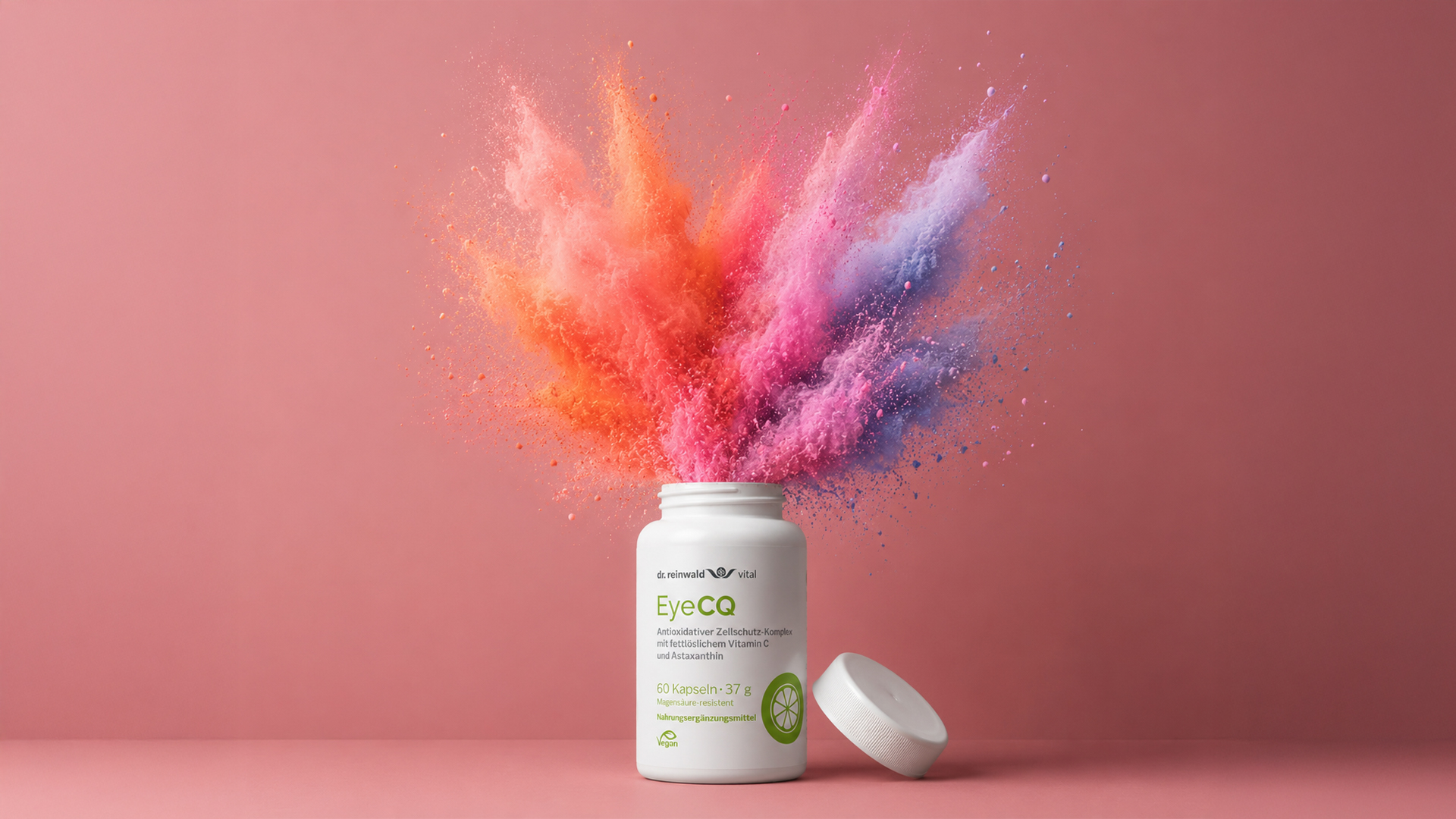
To strengthen your internal skin protection with carotenoids, we recommend that you specifically support your body with astaxanthin. As mentioned, astaxanthin helps naturally extend the body’s own skin protection time and thus protect your skin from the harmful effects of the sun. It is advisable to take 4 mg of astaxanthin daily at least 2 weeks—ideally 4 weeks—before regular sunbathing, for example in the form of our product EyeCQ. In doing so, you not only gradually build up the body’s own protection against UV radiation, but also supply your body with high-quality antioxidants and protect your cells from free radicals and oxidative stress. Another advantage is that you do not absorb harmful ingredients as you would with conventional sunscreens, and your natural sun protection cannot be washed off by water or sweat. This way, you can enjoy the sun without worry, optimally protect your skin, and do something good for your health at the same time.
And finally, we would like to remind you once again how important it is to drink enough fluids while sunbathing. It is crucial for your health and well-being that you make sure to drink enough. So please remember to keep a bottle of good water or unsweetened herbal teas within reach so that you do not become dehydrated. So enjoy the sun, but don’t forget to drink enough too!
Your Perfect Astaxanthin Companion: EyeCQ by dr. reinwald vital
To optimally support your natural internal skin protection, we offer you the ideal product: our absolute classic “EyeCQ,” which supplies you daily with 4 mg of high-quality astaxanthin in just two capsules. But that’s not all, because you also receive water- and fat-soluble as well as high-dose vitamin C. The special feature is that the fat-soluble vitamin C from camu camu reaches the lipid-containing cell layers of your body, which are found primarily in the organs and sensory organs such as the eyes and brain. In contrast to conventional water-soluble vitamin C in ascorbic acid, which can be poorly absorbed by these lipid layers. Your organs—especially your eyes—benefit from this extra boost.
But that’s not all: in EyeCQ, we have added further co-factors for you, such as coenzyme Q10, reduced glutathione, Active H® with active hydrogen, and zinc. This neutralizes free radicals in your body, protects and strengthens your cells, and supports your psyche and improves your defenses. So you receive not only natural UV protection, but comprehensive nourishment for your cells and an effective way to say “goodbye” to stress.