Fermenting for a Healthy Gut Flora
Probiotic Drinks and Vegetables for Your Gut Flora
Fermented foods are currently very much on trend. Yet the process of “living preservation” is by no means an invention of our time. Rather, fermentation is an ancient technique for preserving food. Fermentation not only makes fruit and vegetables last longer, it also improves the quantity, digestibility, and bioavailability of vitamins. But what actually happens during the fermentation process? And why are fermented foods so good for our gut flora?
Fermentation – an Ancient Cultural Technique
Fermenting food is one of the oldest methods of all for preserving food and dates back to the beginnings of agriculture. At the latest since the production of the first wine 8,000 years ago or the brewing of the first beer, we have known that fermentation not only serves the production of alcohol, but also has a beneficial effect on our health.
»fermentation, c’est la vie sans l’air«
“Fermentation is life without air”
Originally, fermentation referred to a process of fermentation in the absence of air. Louis Pasteur coined the phrase “fermentation, c’est la vie sans l’air” (in English: “Fermentation is life without air”). He is considered the discoverer of fermentation, although it has been proven that he copied his knowledge from his less well-known colleague Antoine Béchamp.
Even our grandmothers fermented freshly harvested fruit and vegetables so that the family would be supplied with sufficient nutrients during the long winter months. For a long time, however, fermented foods had almost completely disappeared from the menu in our Western industrialized countries. Sauerkraut, for many centuries the food of choice for preventing scurvy on long sea voyages, is today only a pale imitation of itself – pasteurized, often even sweetened and canned, and therefore without life.
Our Tip
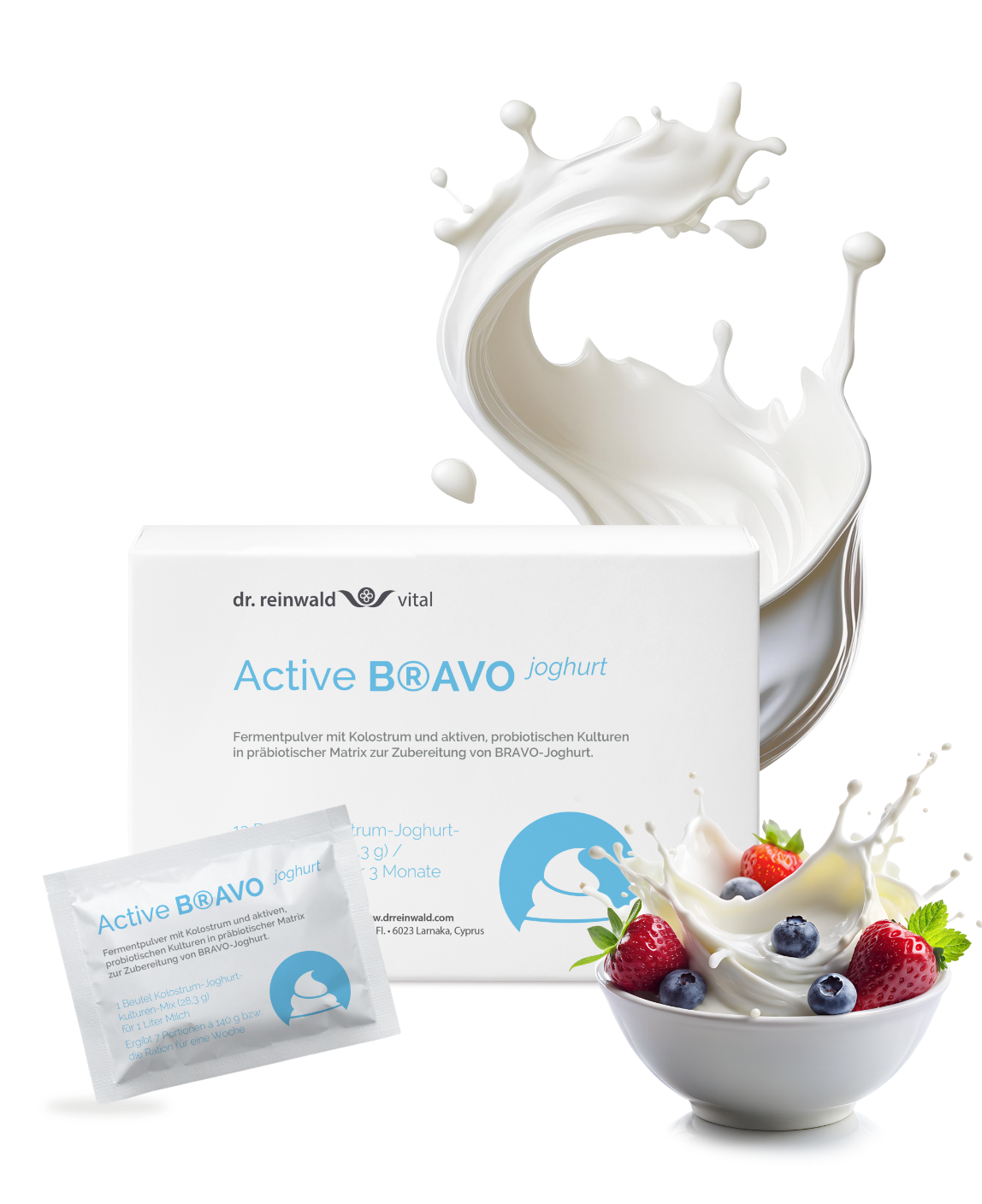
Pasteurized canned sauerkraut, for example, unfortunately no longer contains any bacterial strains and virtually no vitamins. The same also applies to our modern vinegar, which lacks the bacterium Aceto Bacter. Yet this is actually a blessing for the stomach and for energy production in our cells. Foods should be “alive.” From our point of view, pasteurized, i.e. heated foods are NOT “living foods.” However, if you add bacterial cultures to pasteurized milk, such as those contained in our ActiveBRAVO probiotic yogurt culture mix, then
with the help of the fermenting power of the bacteria, the milk becomes yogurt and thus once again something “alive.”
Fortunately, in recent years, thanks to newer scientific findings on the importance of healthy gut nutrition, fermentation has also been rediscovered.
What Is Fermentation?
During fermentation, foods are metabolized with the help of natural probiotic microorganisms such as bacteria, yeasts, or molds. In this natural fermentation process, organic acids, gases, or alcohol are produced – depending on the type of fermentation.
There are various methods of fermentation in which different microorganisms play a role. For example, alcoholic fermentation produces alcohol from sugar (wine) or grain (beer) and yeast. In lactic acid fermentation, on the other hand, non-alcoholic fermentation produces probiotic drinks or vegetables such as kefir, yogurt, kombucha, fermented juices, or kimchi.
The positive effect of fermentation: the foods not only keep longer, but are also easier to digest than in their raw state. Fermentation is therefore also referred to as “cooking without fire.” Through fermentation, all essential nutrients are retained; their bioavailability and effect are even improved, and additional vitamins are created, such as B vitamins or vitamin C.
Fermented Foods – List
There are countless fermented foods that you can buy or make yourself, including:
- Yogurt with live cultures such as our MyREGULATE or ActiveBRAVO probiotic
- Kefir with live cultures
- Fermented fruit juices with live cultures analogous to BRAVO
- Sauerkraut (when bought, it is usually pasteurized and contains sugar)
- Pickled cucumbers
- Kimchi
- Tempeh (fermented soybeans. Soy is not edible without fermentation.)
- Miso
- Soy sauce
- Kombucha tea (when bought, it is usually pasteurized and contains sugar)
- Traditional buttermilk
- Mixed pickles, i.e. assorted pickled vegetables with cucumbers, carrots, and other vegetables (when bought, they usually contain sugar or sweetener)
- Fermented eggs
- Pickled meat or fish
When buying a fermented product, you should make absolutely sure that it is organic quality and not pasteurized, i.e. not heated. This is because pasteurization kills off most of the nutrients again. In addition, the product should not contain any sugar or other additives.
Of course, the best option here too is: make it yourself! Fermenting is not difficult – it simply requires a little time and patience. You can find dozens of good instructions online or in bookstores. And we promise you: it’s worth it, and your gut will thank you!
Why Are Fermented Foods So Healthy?
Fermented foods are “living” nourishment. They contain lactic acid bacteria and many active enzymes that stimulate the growth of the “good” bacteria in our gut, thereby improving the biodiversity of the physiological gut flora and ensuring a balanced intestinal environment. Fermented foods reduce inflammatory reactions in the body and promote a healthy, strong immune system with a function that even protects the brain.
For a healthy gut flora, on the one hand we need the right nutrients for our gut bacteria, i.e. fiber, mucilage, and swelling agents. These promote intestinal motility, moisten the intestinal walls, and feed the “good” bacteria so that they feel at home.
On the other hand, we also need the right bacterial strains. Our gut obtains these primarily by consuming fermented foods such as yogurt, buttermilk, or sauerkraut, meaning “living” nourishment for a constant supply. Bacteria love community – so let’s provide it!
dr.reinwald vital Product Tips
We have developed three products specifically for this:
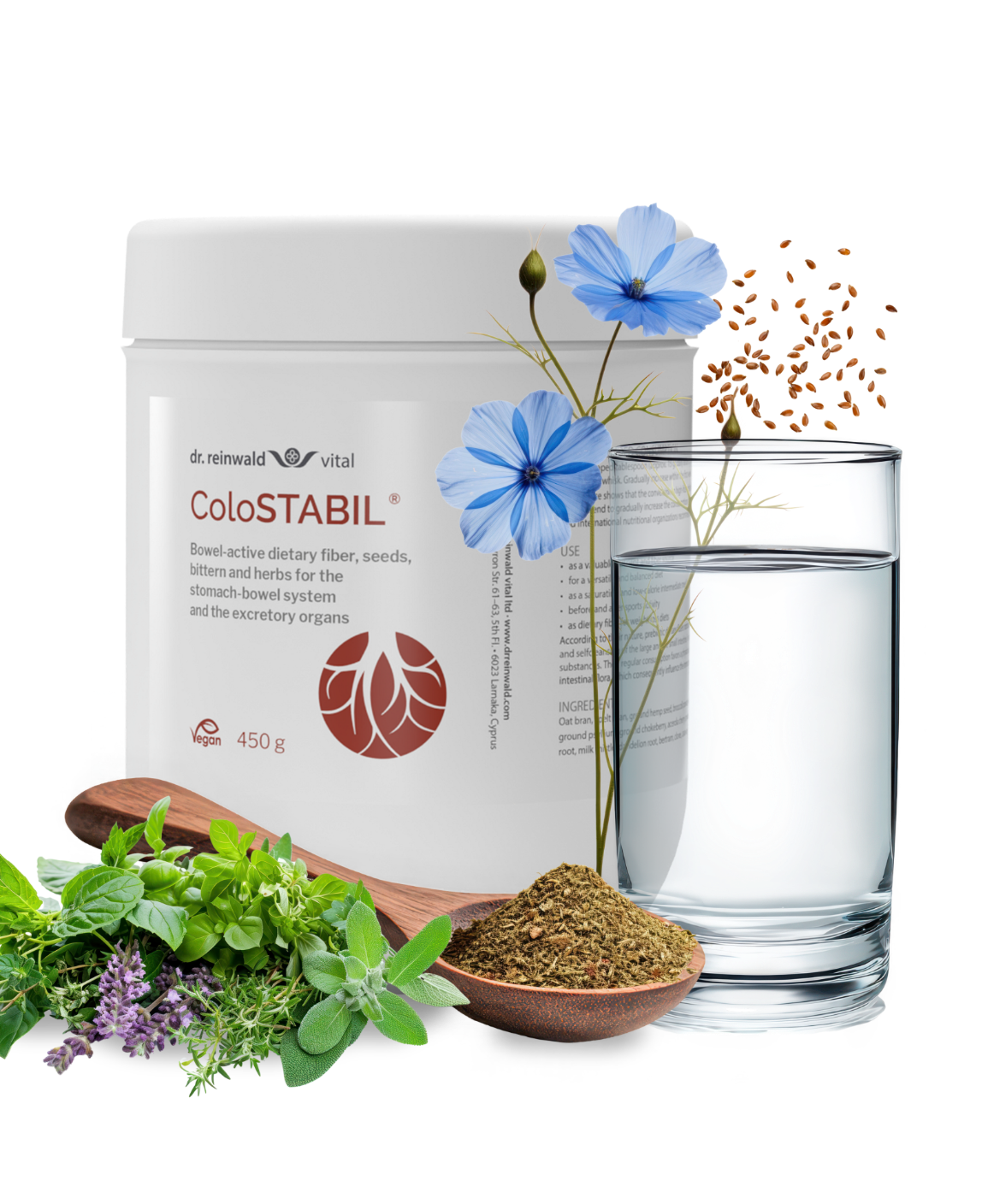
- Our seed, bitter substance, and herbal preparation ColoSTABIL® made from soluble and insoluble fibers as well as mucilage
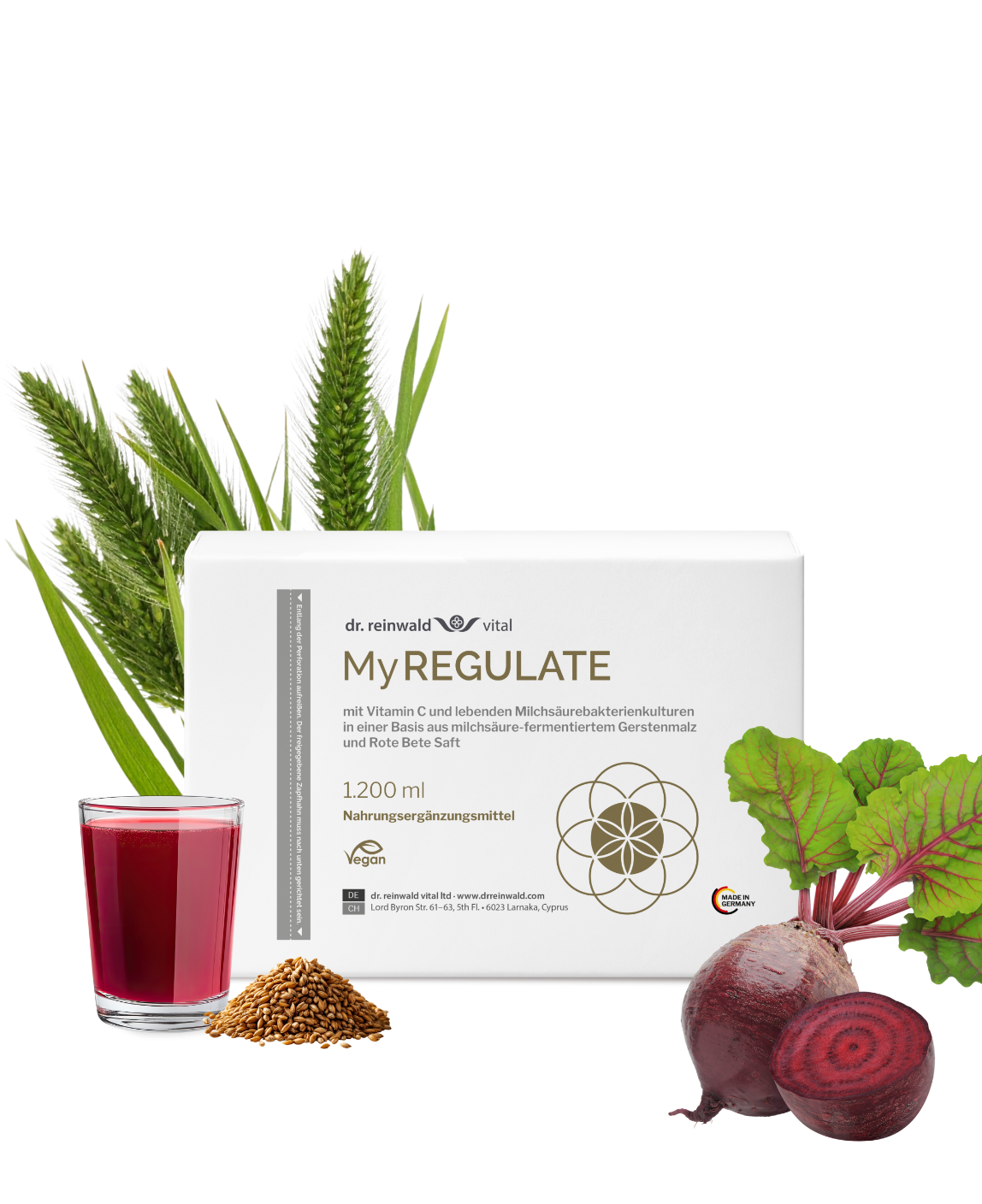
- Our high-quality probiotic ferment concentrate MyREGULATE® with vitamin C and live lactic acid bacteria in a base of lactic-acid-fermented barley malt and beetroot extract, with over 1 billion lactic acid bacteria per milliliter.
- The ferment powder ActiveBRAVO probiotic with colostrum and active probiotic cultures in a prebiotic matrix as the basis for preparing BRAVO yogurt, which is superior to other fermented products thanks to its valuable ingredients.
Do you have questions? Our friendly team – consisting of therapists and naturopaths – will be happy to advise you. Call now or use our chat.